Summary
Risk control has moved beyond compliance and insurance concerns to become a core driver of sustainable business growth. Organizations that actively identify, evaluate, and manage operational, financial, and strategic risks are better positioned to protect revenue, build stakeholder trust, and adapt to changing markets. Effective risk control helps companies make confident decisions while maintaining long-term stability and resilience.
Understanding Risk Control in a Modern Business Context
Risk control refers to the policies, systems, and operational practices organizations use to identify potential threats and minimize their impact. Traditionally, risk control focused mainly on insurance, workplace safety, or regulatory compliance. Today, it has expanded into a broader strategic discipline that supports business stability and growth.
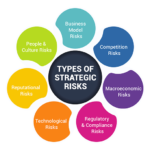
In an increasingly interconnected economy, businesses face a wider range of risks than ever before. These include cybersecurity threats, supply chain disruptions, economic volatility, regulatory shifts, and reputational challenges. Managing these risks requires more than reactive measures; it requires structured risk control processes embedded throughout the organization.
According to the World Economic Forum’s Global Risks Report, businesses are increasingly concerned about systemic risks such as supply chain interruptions, cyber incidents, and geopolitical instability. These risks can significantly affect operations, revenue, and long-term planning.
Companies that invest in risk control frameworks are better equipped to anticipate potential challenges and respond quickly when disruptions occur.

Why Risk Control Matters for Sustainable Growth
Sustainable growth depends on more than sales and market expansion. It requires the ability to operate consistently, manage uncertainty, and maintain trust with customers, employees, regulators, and investors.
Effective risk control contributes to growth in several key ways:
- Protecting revenue streams from disruptions
- Maintaining operational continuity
- Improving decision-making quality
- Strengthening compliance and governance
- Enhancing investor and stakeholder confidence
Organizations that overlook risk control may experience short-term gains but face greater vulnerability during economic shifts or operational crises.
For example, during the COVID-19 pandemic, businesses with established risk management processes were able to adapt faster to supply chain interruptions and remote workforce challenges. Many companies without those systems struggled to respond quickly.
The Expanding Risk Landscape for U.S. Businesses
American companies now operate in an environment where risks evolve quickly. Digital transformation, global supply networks, and regulatory complexity create new vulnerabilities that traditional risk management approaches may not fully address.
Several trends are reshaping how organizations approach risk control.
1. Cybersecurity Threats
Cyberattacks have become one of the most significant risks facing businesses. According to IBM’s Cost of a Data Breach Report, the average cost of a data breach in the United States exceeded $9 million in 2023, the highest globally.
Risk control strategies now include cybersecurity governance, employee training, and data protection protocols.
2. Supply Chain Disruptions
Global supply chains have become more complex and interconnected. Natural disasters, geopolitical tensions, and transportation issues can quickly affect production and delivery timelines.
Companies increasingly use risk control measures such as supplier diversification and scenario planning to maintain operational resilience.
3. Regulatory Compliance
Regulatory requirements across industries—from finance and healthcare to environmental compliance—continue to expand. Risk control frameworks help organizations monitor and adapt to changing regulations.
4. Reputation and Brand Risk
Public perception can shift rapidly in the digital era. Social media and online transparency mean operational issues or ethical concerns can quickly escalate into reputational crises.
Businesses that maintain strong internal controls and communication strategies are better prepared to protect their reputation.
How Risk Control Supports Strategic Decision-Making
Risk control is not only about preventing problems; it also improves how leaders evaluate opportunities.
When executives understand potential risks clearly, they can make more informed strategic decisions. This allows companies to pursue growth initiatives while maintaining appropriate safeguards.
For instance, a technology company expanding into a new international market may analyze regulatory risks, supply chain vulnerabilities, and cybersecurity exposure before launching operations. With a structured risk control approach, leadership can weigh potential rewards against manageable risks.
This perspective allows organizations to balance innovation with stability.
Building a Practical Risk Control Framework
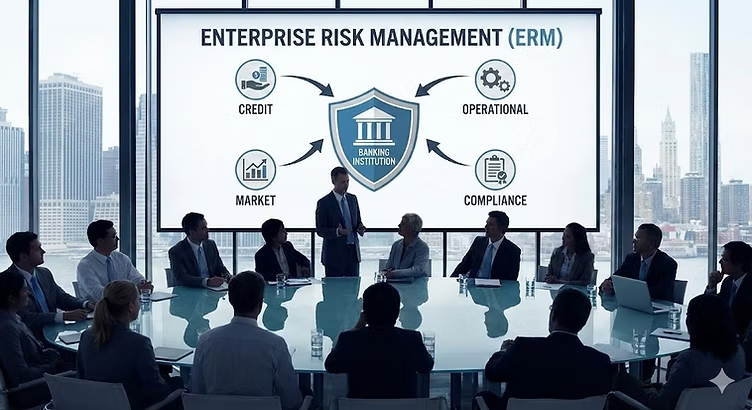
Effective risk control requires structured processes that integrate across departments. While approaches vary by industry, most organizations follow several core steps.
Risk Identification
Companies first identify potential threats across operational, financial, technological, and strategic areas.
Examples include:
- Cybersecurity vulnerabilities
- Supplier dependency risks
- Compliance violations
- Financial exposure
- Operational disruptions
Risk Assessment
After identifying risks, organizations evaluate their likelihood and potential impact. This process often involves cross-functional teams to ensure comprehensive analysis.
Risk Mitigation
Businesses then implement controls to reduce the likelihood or impact of risks.
These controls may include:
- Internal compliance policies
- Cybersecurity protections
- Vendor diversification strategies
- Employee training programs
- Financial safeguards
Monitoring and Review
Risk environments evolve continuously. Organizations must regularly review their controls and update strategies as new threats emerge.
Companies with continuous monitoring systems are often able to detect issues earlier and respond more effectively.
Real-World Example: Supply Chain Risk Control
Consider a U.S.-based consumer electronics company that relies heavily on overseas manufacturing.
Prior to the pandemic, the company sourced components from a limited number of suppliers in one geographic region. When supply chain disruptions occurred, production slowed dramatically.
In response, the company implemented a comprehensive risk control strategy:
- Diversified supplier network across multiple regions
- Developed contingency logistics plans
- Created inventory buffers for critical components
- Implemented digital supply chain monitoring tools
As a result, the company reduced operational disruptions and improved delivery reliability.
This example illustrates how risk control can directly support operational stability and long-term growth.
Technology Is Transforming Risk Control
Modern technology has significantly improved how organizations identify and manage risk.
Advanced analytics, artificial intelligence, and automation now help companies monitor risk factors in real time.
Key technological developments include:
- Predictive analytics to identify emerging risks
- Cybersecurity monitoring tools that detect threats instantly
- Risk management software platforms that integrate compliance and operational data
- Supply chain visibility systems that track disruptions across global networks
These tools allow organizations to move from reactive risk management to proactive risk control.
The Role of Leadership and Culture
Risk control is most effective when supported by organizational culture and leadership commitment.
When executives treat risk awareness as a strategic priority, employees across the company become more engaged in identifying and addressing potential threats.
A strong risk-aware culture includes:
- Transparent communication about risks
- Clear accountability for risk management
- Continuous training and awareness programs
- Integration of risk considerations into strategic planning
Organizations that embed risk awareness into everyday decision-making tend to respond faster and more effectively during unexpected disruptions.
Common Challenges Companies Face with Risk Control
Despite its importance, many organizations struggle to implement effective risk control systems.
Some of the most common challenges include:
- Lack of coordination between departments
- Overreliance on outdated risk assessment methods
- Insufficient data visibility
- Limited executive involvement
- Underinvestment in risk management technology
Addressing these challenges often requires leadership alignment and cross-functional collaboration.
Businesses that successfully overcome these barriers tend to develop stronger resilience over time.
Frequently Asked Questions
What is risk control in business?
Risk control refers to the processes organizations use to identify, assess, and reduce potential threats that could disrupt operations, finances, or reputation.
How is risk control different from risk management?
Risk management is the broader strategy of identifying and addressing risks, while risk control specifically focuses on measures used to reduce or mitigate those risks.
Why is risk control important for growing companies?
As businesses expand, they face greater operational complexity and exposure to potential disruptions. Risk control helps maintain stability while supporting growth.
What industries benefit most from strong risk control?
Industries such as finance, healthcare, manufacturing, technology, and logistics rely heavily on structured risk control due to regulatory requirements and operational complexity.
How can small businesses implement risk control?
Small businesses can begin by identifying key operational risks, implementing basic internal controls, diversifying suppliers, and maintaining clear financial oversight.
Does risk control help attract investors?
Yes. Investors often look for companies with strong governance and risk management practices because they indicate stability and long-term planning.
How often should companies review risk control strategies?
Many organizations review their risk frameworks annually, while high-risk industries may conduct quarterly reviews.
What role does technology play in risk control?
Technology allows businesses to monitor risks in real time, automate compliance tasks, and analyze large datasets for early warning signals.
Can risk control improve operational efficiency?
Yes. By identifying inefficiencies and vulnerabilities, risk control processes often lead to more streamlined operations.
Who is responsible for risk control in an organization?
While risk officers or compliance teams often coordinate efforts, effective risk control requires participation from leadership and employees across departments.
Looking Ahead: Risk Control as a Competitive Advantage
Businesses that approach risk control as a strategic capability rather than a compliance obligation gain significant advantages over time. They are better equipped to adapt to regulatory shifts, economic changes, and technological disruptions.
More importantly, strong risk control systems build confidence among investors, partners, and customers. Organizations that demonstrate operational stability and responsible governance are often better positioned to sustain growth even during uncertain economic conditions.
As markets become more complex, risk control will increasingly serve as a foundation for resilient and sustainable business performance.
Key Insights at a Glance
- Risk control helps businesses identify and reduce operational and strategic threats
- Strong risk frameworks support sustainable long-term growth
- Cybersecurity, supply chain disruption, and regulatory complexity are major risk drivers
- Technology is enabling more proactive and data-driven risk control strategies
- Leadership and organizational culture play a crucial role in effective risk management
- Companies that prioritize risk control are often better prepared for economic and operational disruptions