Modern risk control is no longer limited to insurance policies, compliance checklists, or crisis response plans. Across industries, organizations are integrating real-time analytics, cybersecurity frameworks, operational forecasting, and financial scenario planning into daily decision-making. Companies that approach risk proactively are improving resilience, reducing disruption costs, strengthening customer trust, and making faster, more informed strategic decisions in increasingly unpredictable economic and technological environments.
Why Risk Control Has Become a Strategic Business Function
Risk control was once viewed primarily as a defensive business activity. Traditionally, organizations focused on minimizing losses after problems emerged rather than embedding risk awareness into routine planning. That approach has changed dramatically over the last decade.
Economic volatility, cyber threats, supply chain disruptions, labor shortages, inflationary pressure, regulatory scrutiny, and rapid technological change have forced organizations to rethink how decisions are made. Today, businesses are expected to anticipate operational threats before they escalate into major disruptions.
According to research published by the World Economic Forum and reports from McKinsey & Company, executives increasingly rank resilience and risk visibility among their highest strategic priorities. Organizations are investing heavily in predictive analytics, enterprise risk management systems, and AI-assisted forecasting to improve long-term stability.
Modern risk control now influences decisions involving:
- Capital investments
- Vendor partnerships
- Hiring and workforce planning
- Cybersecurity infrastructure
- Market expansion
- Product launches
- Regulatory compliance
- Sustainability initiatives
Rather than slowing decision-making, effective risk control often accelerates it by giving leaders more confidence in the data behind strategic choices.
What Modern Risk Control Actually Means
Many people still associate risk control exclusively with insurance or legal compliance. In practice, the concept has become far broader and more integrated.
Modern risk control refers to the systems, policies, technologies, and processes organizations use to identify, evaluate, reduce, monitor, and respond to uncertainty.
These strategies typically combine several disciplines at once:
- Financial risk management
- Cybersecurity monitoring
- Operational continuity planning
- Regulatory compliance
- Data governance
- Workforce safety
- Supply chain resilience
- Reputation management
The key difference today is that risk management is becoming continuous rather than reactive.
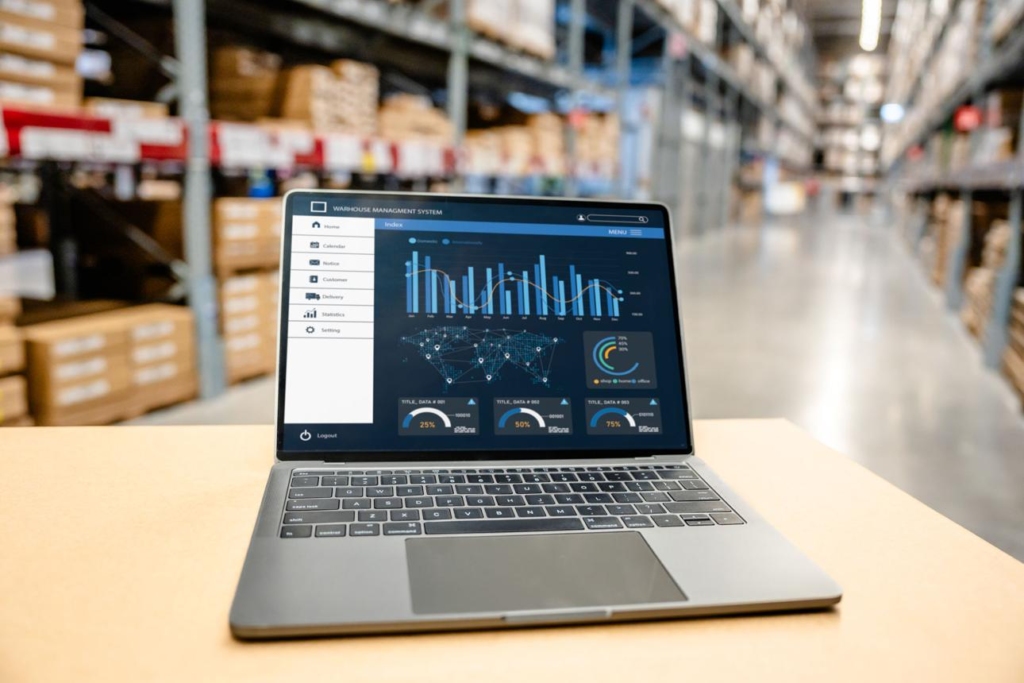
Instead of conducting annual reviews, organizations increasingly use real-time dashboards, automated alerts, predictive modeling, and scenario simulations to monitor emerging threats as they develop.
For example, large retailers now monitor inventory shortages, weather disruptions, transportation bottlenecks, and cyber intrusion attempts simultaneously through integrated risk platforms. Financial institutions continuously stress-test lending portfolios against changing interest rates and recession scenarios.
The result is a more dynamic decision-making environment where leadership teams can respond faster to changing conditions.
How Technology Is Transforming Risk Assessment
Technology has become one of the biggest drivers reshaping risk control strategies across industries.
Artificial intelligence, machine learning, and cloud-based analytics platforms are allowing organizations to identify patterns that would have been difficult to detect manually.
Banks, for example, use AI-driven systems to identify suspicious transactions in real time. Manufacturers rely on predictive maintenance software to detect equipment failures before they cause production shutdowns. Healthcare systems analyze patient data to reduce treatment errors and improve operational planning.
Several technologies are now central to modern risk control:
Predictive Analytics
Predictive models analyze historical and real-time data to estimate future outcomes. Businesses use these tools to forecast operational disruptions, customer behavior changes, equipment failures, and financial volatility.
Cybersecurity Automation
Cyberattacks continue to increase in frequency and sophistication. Automated monitoring tools help organizations detect unusual network activity faster, reducing the likelihood of large-scale breaches.
According to the IBM Institute for Business Value, the average global data breach cost reached millions of dollars in recent years, pushing cybersecurity into the center of executive decision-making.
Cloud-Based Risk Dashboards
Centralized dashboards allow executives to monitor multiple categories of risk simultaneously. Instead of relying on fragmented reporting systems, leadership teams can access operational, financial, and compliance metrics in one place.
Scenario Simulation Tools
Organizations increasingly use digital simulations to model possible outcomes before major decisions are made.
For example, airlines may simulate fuel price increases, weather disruptions, or labor shortages to understand how different conditions could affect profitability and scheduling.
These technologies are improving visibility while reducing response times during periods of uncertainty.
Why Risk Control Is Influencing Corporate Leadership Decisions
One of the biggest changes in modern business is that risk discussions are no longer isolated within compliance departments.
Boards of directors, CEOs, CFOs, and operations leaders now incorporate risk analysis into everyday strategic planning.
This shift is happening for several reasons.
First, investors increasingly evaluate companies based on resilience, governance quality, and operational stability. Businesses that appear vulnerable to disruption may face declining investor confidence.
Second, regulators across industries have increased scrutiny around cybersecurity, consumer privacy, financial reporting, and environmental practices.
Third, customer trust has become more fragile in the digital era. A single data breach, product failure, or operational scandal can damage brand reputation quickly.
As a result, leadership teams are asking different questions before making decisions:
- What could disrupt this initiative?
- How exposed are we financially?
- Do we have contingency plans?
- What happens if regulations change?
- Could this create reputational risk?
- How quickly can we recover from failure?
This mindset is reshaping corporate culture itself.
Organizations that historically rewarded aggressive growth at all costs are increasingly balancing growth objectives with long-term resilience.
Industry Examples of Modern Risk Control in Action
Risk control strategies vary significantly across sectors, but the overall trend is consistent: proactive planning is replacing reactive management.
Healthcare
Hospitals and healthcare systems face operational, regulatory, and cybersecurity risks simultaneously.
Modern healthcare organizations now use predictive staffing models, cybersecurity monitoring systems, and patient safety analytics to reduce errors and improve resource allocation.
For example, many hospitals analyze admission trends to anticipate staffing shortages before seasonal spikes occur.
Cybersecurity has also become critical after several high-profile ransomware attacks disrupted hospital operations across the United States.
Financial Services
Banks and investment firms operate in one of the most heavily regulated environments in the economy.
Modern financial institutions use stress testing, fraud detection algorithms, and real-time transaction monitoring to reduce exposure to financial crime and economic shocks.
Interest rate volatility and inflation have also increased the importance of scenario-based forecasting in lending decisions.
Manufacturing
Manufacturers increasingly focus on supply chain resilience after years of global shipping disruptions and material shortages.
Many companies now diversify suppliers, regionalize production networks, and implement predictive maintenance systems to reduce operational downtime.
Sensors embedded in manufacturing equipment can now detect early signs of failure before costly shutdowns occur.
Retail and E-Commerce
Retailers use risk analytics to monitor inventory volatility, shipping delays, fraud activity, and consumer demand shifts.
E-commerce companies especially rely on fraud prevention systems to identify suspicious transactions without slowing customer purchases.
At the same time, retailers are reevaluating global sourcing models to reduce dependency on single-region suppliers.
Energy and Utilities
Energy providers face operational risks tied to infrastructure reliability, extreme weather events, cybersecurity threats, and regulatory compliance.
Utilities increasingly use AI-powered grid monitoring systems to detect outages faster and reduce service interruptions.
Climate-related risk planning has also become more important as severe weather events affect infrastructure reliability across multiple regions.
The Growing Role of Cybersecurity in Risk Control
Cybersecurity is now one of the most influential components of enterprise risk management.
Organizations across industries store enormous amounts of customer, financial, operational, and proprietary data. This makes digital infrastructure a primary target for cybercriminals.
Ransomware attacks, phishing campaigns, insider threats, and data breaches can create severe operational and financial consequences.
Modern cybersecurity strategies now extend far beyond antivirus software.
Organizations increasingly invest in:
- Zero-trust security frameworks
- Multi-factor authentication
- Employee cybersecurity training
- Endpoint monitoring
- Cloud security architecture
- Incident response planning
- Continuous vulnerability testing
Human behavior remains one of the largest vulnerabilities in cybersecurity. Many successful breaches still begin through phishing emails or compromised employee credentials.
For this reason, risk control strategies increasingly emphasize employee awareness alongside technology investments.
How Risk Control Supports Faster Decision-Making
Some executives once believed that extensive risk analysis slowed innovation and reduced competitiveness.
In practice, modern risk frameworks often help organizations move faster because leaders have clearer visibility into potential outcomes.
When decision-makers understand exposure levels, contingency plans, and operational dependencies, they can act with greater confidence.
For example:
- A company considering international expansion can model regulatory risks before entering new markets.
- A manufacturer can evaluate supply chain alternatives before disruptions occur.
- A healthcare provider can allocate emergency resources more efficiently during public health events.
- A retailer can adjust pricing and inventory planning during inflationary periods.
Organizations with mature risk systems are often better prepared to adapt during economic instability because they already have established response frameworks in place.

What Small and Mid-Sized Businesses Are Doing Differently
Risk control is not limited to large corporations.
Small and mid-sized businesses are increasingly adopting scalable risk management practices as cloud-based tools become more affordable.
Common strategies include:
- Cybersecurity insurance coverage
- Automated financial monitoring
- Vendor diversification
- Cloud data backups
- Workforce continuity planning
- Fraud prevention software
- Regulatory compliance automation
Small businesses may lack large enterprise budgets, but they often benefit from being more agile and adaptable.
For example, many independent businesses accelerated digital payment systems and remote operations during recent disruptions far faster than traditional organizations.
The key challenge for smaller firms is balancing cost management with operational resilience.
Questions Businesses Are Asking About Risk Control
Is risk control only important for regulated industries?
No. While sectors like banking and healthcare face heavy regulation, nearly every industry now deals with operational, financial, cybersecurity, or reputational risks that require structured management.
Does stronger risk control reduce profitability?
Not necessarily. In many cases, proactive risk planning reduces long-term costs associated with downtime, fraud, litigation, or operational disruption.
How often should organizations review risk strategies?
Most experts recommend continuous monitoring supported by quarterly or annual strategic reviews.
Are AI tools replacing human risk managers?
AI supports data analysis and monitoring, but human oversight remains essential for judgment, ethics, and strategic interpretation.
Why is cybersecurity considered a business risk rather than just an IT issue?
Cyber incidents can disrupt operations, damage customer trust, trigger lawsuits, and create financial losses that affect the entire organization.
Where Risk Control Is Headed Next
Several long-term trends are expected to shape the future of risk management over the next decade.
Organizations are likely to increase investment in:
- AI-assisted forecasting
- Real-time operational monitoring
- Climate risk modeling
- Supply chain transparency
- Privacy governance
- Cross-functional risk integration
- Automated compliance systems
Environmental and geopolitical risks are also expected to influence strategic planning more heavily.
At the same time, regulators are increasingly demanding clearer accountability around cybersecurity, data protection, and operational resilience.
The organizations most prepared for future uncertainty will likely be those capable of combining technology, governance, and adaptability into a unified decision-making framework.

Building Resilience Into Everyday Business Decisions
The modern business environment rewards organizations that can adapt quickly without sacrificing operational stability.
Risk control is no longer a separate administrative process handled quietly behind the scenes. It has become part of how companies evaluate investments, manage growth, protect customer trust, and maintain continuity during disruption.
Businesses that integrate risk awareness into daily operations are often better positioned to make informed decisions under pressure. As industries continue to evolve through technological change, economic uncertainty, and regulatory complexity, proactive risk management is becoming less about avoiding failure and more about improving long-term organizational resilience.
Key Insights Worth Remembering
- Modern risk control now influences everyday strategic decision-making
- Cybersecurity has become a central business risk across industries
- Predictive analytics and AI are improving operational forecasting
- Supply chain resilience remains a major focus for manufacturers and retailers
- Healthcare and finance rely heavily on real-time monitoring systems
- Strong risk frameworks can improve decision speed and confidence
- Small businesses increasingly use cloud-based risk management tools
- Regulatory and reputational pressures continue to expand
- Human oversight remains critical despite automation growth
- Long-term resilience is becoming a competitive advantage
Frequently Asked Questions
1. What is modern risk control in business?
Modern risk control refers to proactive strategies organizations use to identify, assess, monitor, and reduce operational, financial, cybersecurity, and compliance-related threats.
2. Why is risk control becoming more important?
Economic uncertainty, cyber threats, supply chain disruptions, and stricter regulations have increased the need for structured risk management across industries.
3. How does AI improve risk management?
AI helps organizations analyze large data sets, identify unusual patterns, predict disruptions, and automate monitoring processes more efficiently.
4. Which industries rely most heavily on risk control?
Healthcare, finance, manufacturing, energy, logistics, and retail all depend heavily on modern risk management systems.
5. Is cybersecurity considered part of risk control?
Yes. Cybersecurity is now one of the most important components of enterprise risk management.
6. Can small businesses benefit from risk management systems?
Absolutely. Small businesses increasingly use affordable cloud-based tools for fraud prevention, cybersecurity, and operational continuity planning.
7. Does risk control slow innovation?
In many cases, it improves innovation by helping organizations make informed decisions with greater confidence.
8. What is predictive risk analytics?
Predictive analytics uses historical and real-time data to forecast future operational or financial risks.
9. How often should companies update risk assessments?
Continuous monitoring is increasingly common, with formal reviews typically conducted quarterly or annually.
10. What role do employees play in risk control?
Employees are essential because human error remains a major factor in cybersecurity breaches, operational mistakes, and compliance failures.