
Some investment portfolios hold steady through market turbulence while others swing sharply. The difference often lies in diversification, asset allocation, risk management, and investor discipline. Understanding how resilient portfolios are constructed—and why they perform differently—can help investors make smarter long-term decisions, reduce volatility, and stay aligned with financial goals even during uncertain economic conditions.
Understanding Portfolio Resilience in Changing Markets
Market shifts are inevitable. Whether driven by inflation concerns, interest rate changes, geopolitical events, or evolving economic cycles, volatility is a constant feature of investing. Yet not all portfolios respond the same way.
Some decline sharply, while others remain relatively stable or recover faster. This divergence is not random—it reflects deliberate structural choices made during portfolio construction and ongoing management.
Resilient portfolios are not designed to avoid losses entirely. Instead, they aim to manage downside risk while maintaining long-term growth potential. This distinction is essential. Investors who understand it tend to react less emotionally and make more consistent decisions over time.
What Makes Some Portfolios More Stable Than Others?
At the core, stronger portfolios share a few foundational characteristics. These are not complex or exclusive strategies—they are disciplined applications of well-established investment principles.
1. Strategic Asset Allocation
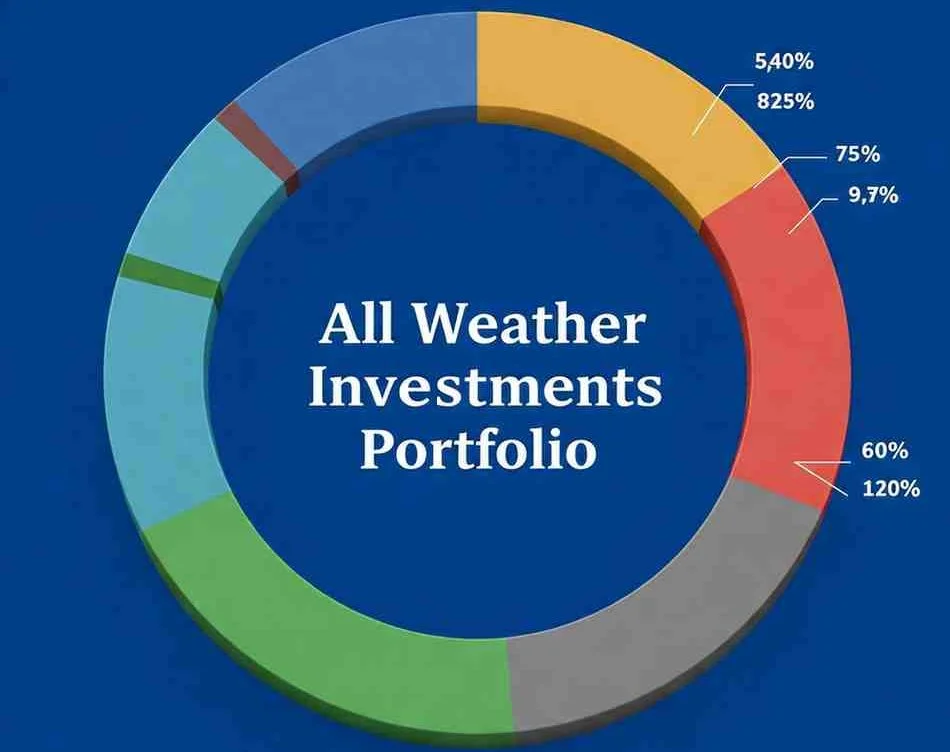
Asset allocation—the mix of stocks, bonds, cash, and alternative investments—is the primary driver of portfolio performance variability.
A portfolio heavily weighted toward equities may perform well during bull markets but can suffer significant losses during downturns. In contrast, portfolios that include a mix of asset classes tend to absorb shocks more effectively.
For example:
- During the 2022 market downturn, U.S. equities (S&P 500) declined significantly
- High-quality bonds also fell, but less dramatically
- Commodities and certain real assets provided partial offsets
Balanced portfolios, such as a 60/40 stock-bond mix, experienced smaller drawdowns compared to all-equity portfolios.
2. Diversification Across Sectors and Geographies
Diversification reduces exposure to any single economic outcome.
Portfolios concentrated in one sector—such as technology—can be highly vulnerable when that sector underperforms. Similarly, portfolios focused solely on U.S. markets may miss opportunities or risk mitigation from global diversification.
Effective diversification includes:
- Multiple sectors (technology, healthcare, energy, consumer goods)
- Domestic and international exposure
- Different company sizes (large-cap, mid-cap, small-cap)
This approach doesn’t eliminate risk but spreads it more evenly.
3. Risk Management and Rebalancing
Resilient portfolios are actively maintained—not constantly traded, but periodically adjusted.
Rebalancing ensures that asset allocation remains aligned with the investor’s strategy. Without it, a portfolio may drift toward higher risk during bull markets or become overly conservative after downturns.
For instance:
- If equities outperform, they may grow from 60% to 75% of the portfolio
- Rebalancing brings the allocation back to the intended level
This process helps lock in gains and maintain risk discipline.
Why Investor Behavior Plays a Critical Role
Even the best-designed portfolio can underperform if investor behavior undermines it.
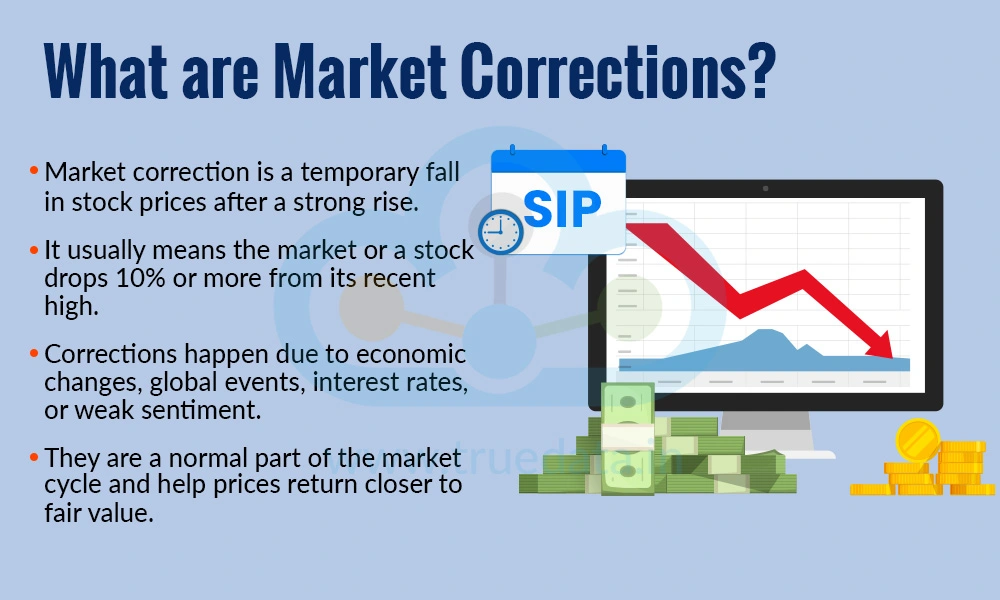
Emotional decision-making—such as panic selling during downturns or chasing performance during rallies—is one of the most common causes of poor outcomes.
Research from DALBAR has consistently shown that the average investor underperforms the market due to timing decisions.
Key behavioral pitfalls include:
- Selling during market declines
- Overreacting to short-term news
- Frequently switching strategies
- Ignoring long-term objectives
Resilient portfolios are often paired with disciplined investors who stay invested through cycles.
The Role of Time Horizon in Portfolio Performance
Time horizon significantly influences how a portfolio weathers market shifts.
Short-term investors are more exposed to volatility because they may need to access funds during downturns. Long-term investors, on the other hand, benefit from market recoveries and compounding.
Consider historical patterns:
- The U.S. stock market has experienced frequent short-term declines
- Over longer periods (10–20 years), returns have been consistently positive
Portfolios designed with longer time horizons can afford to include more growth-oriented assets, which may be volatile in the short term but rewarding over time.
Real-World Example: Two Investors, Two Outcomes
Imagine two investors entering the market at the same time:
Investor A
- 90% stocks, concentrated in tech
- No rebalancing strategy
- Reacts to market news
Investor B
- 60% stocks, 30% bonds, 10% alternatives
- Globally diversified
- Rebalances annually
- Maintains long-term focus
During a market downturn:
- Investor A experiences steep losses and may panic sell
- Investor B sees a decline but benefits from diversification and rebalancing opportunities
Over time, Investor B is more likely to achieve consistent returns and stay invested.
How Economic Conditions Influence Portfolio Performance
Different assets respond differently to macroeconomic conditions.
Understanding these relationships helps explain why some portfolios perform better during certain periods.
- Rising interest rates tend to pressure bond prices and growth stocks
- Inflation can benefit commodities and real assets
- Economic expansion supports equities
- Recession fears often drive investors toward defensive assets
Portfolios that incorporate a variety of asset types are better positioned to adapt to these changing conditions.
Practical Steps to Build a More Resilient Portfolio
Investors don’t need complex strategies to improve resilience. The following practical steps can make a meaningful difference:
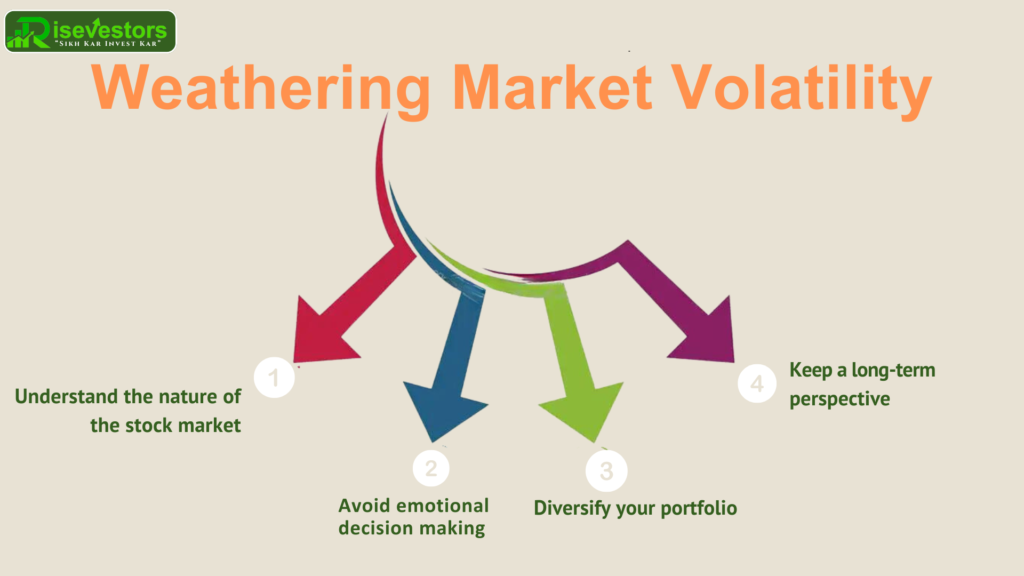
- Define a clear asset allocation based on goals and risk tolerance
- Diversify across sectors, geographies, and asset classes
- Rebalance periodically (e.g., annually or semi-annually)
- Maintain a long-term perspective
- Avoid reacting to short-term market noise
- Consider including defensive assets such as bonds or dividend-paying stocks
- Review and adjust the portfolio as life circumstances change
Consistency is often more important than complexity.
Common Questions Investors Are Asking
1. Why do diversified portfolios still lose money sometimes?
Because diversification reduces risk but does not eliminate it. When most asset classes decline simultaneously, losses can still occur, though typically less severe.
2. Is a 60/40 portfolio still relevant today?
Yes, but it may need adjustments depending on interest rates and market conditions. Many investors are adding alternative assets for additional diversification.
3. How often should I rebalance my portfolio?
Most experts suggest once or twice a year, or when allocations drift significantly.
4. Are bonds still useful in a rising rate environment?
They can still provide stability and income, though their performance may vary. Short-duration bonds may be less sensitive to rate increases.
5. What role do alternative investments play?
They can provide diversification and may perform differently from traditional stocks and bonds.
6. Can individual investors achieve institutional-level diversification?
Yes, through ETFs and mutual funds that provide broad market exposure.
7. How important is global diversification?
It helps reduce reliance on a single economy and can improve risk-adjusted returns.
8. Should I adjust my portfolio during market volatility?
Only if it aligns with your long-term strategy—not as a reaction to short-term movements.
9. What is the biggest mistake investors make during downturns?
Selling investments at a loss due to fear, locking in losses and missing recoveries.
10. How do I know if my portfolio is too risky?
If short-term losses cause significant stress or lead to impulsive decisions, your risk level may be too high.
A More Grounded Way to Think About Market Uncertainty
Market shifts often feel unpredictable, but portfolio performance is rarely accidental. Investors who prioritize structure over speculation tend to navigate uncertainty more effectively.
Rather than trying to predict market movements, resilient investors focus on what they can control: allocation, diversification, discipline, and time horizon. These factors do not eliminate volatility, but they significantly influence outcomes.
Understanding why some portfolios perform better than others is not about chasing perfection—it’s about building a framework that can endure change.
What This Means for Your Next Investment Decision
- Resilience comes from structure, not prediction
- Diversification remains one of the most effective risk management tools
- Investor behavior can have as much impact as portfolio design
- Long-term focus reduces the impact of short-term volatility
- Regular rebalancing helps maintain intended risk levels
- Economic conditions affect asset classes differently
- Simplicity and consistency often outperform complexity