Summary
Risk control is no longer confined to compliance teams and internal audit departments. Across U.S. industries, organizations are integrating risk management directly into strategic planning to address economic volatility, cyber threats, regulatory pressure, and supply chain uncertainty. Forward-thinking companies now treat risk control as a decision-making tool that strengthens resilience, improves long-term planning, and protects business value.
The Evolution of Risk Control in Modern Organizations
For decades, risk control was viewed primarily as an administrative function. Internal audit departments, compliance officers, and legal teams were responsible for identifying regulatory risks and ensuring that companies followed established procedures. In many organizations, risk control existed largely in the background—important, but rarely influential in shaping business strategy.
That model has changed significantly.
Today’s business environment is defined by rapid technological change, geopolitical uncertainty, regulatory complexity, and interconnected global supply chains. These forces mean that risks can emerge quickly and affect multiple parts of an organization at once. As a result, risk management is increasingly integrated into strategic planning rather than being addressed after major decisions are made.
The shift is reflected in corporate governance trends. According to research from the National Association of Corporate Directors (NACD), boards of directors in the United States increasingly expect risk considerations to be embedded in strategic discussions rather than reviewed only during compliance reporting cycles.
In other words, risk control is no longer just about preventing problems. It is about helping leaders make better decisions.
Why Strategic Planning Now Requires Risk Integration
Strategic planning involves setting long-term priorities, allocating resources, and identifying opportunities for growth. Each of these decisions carries uncertainty.
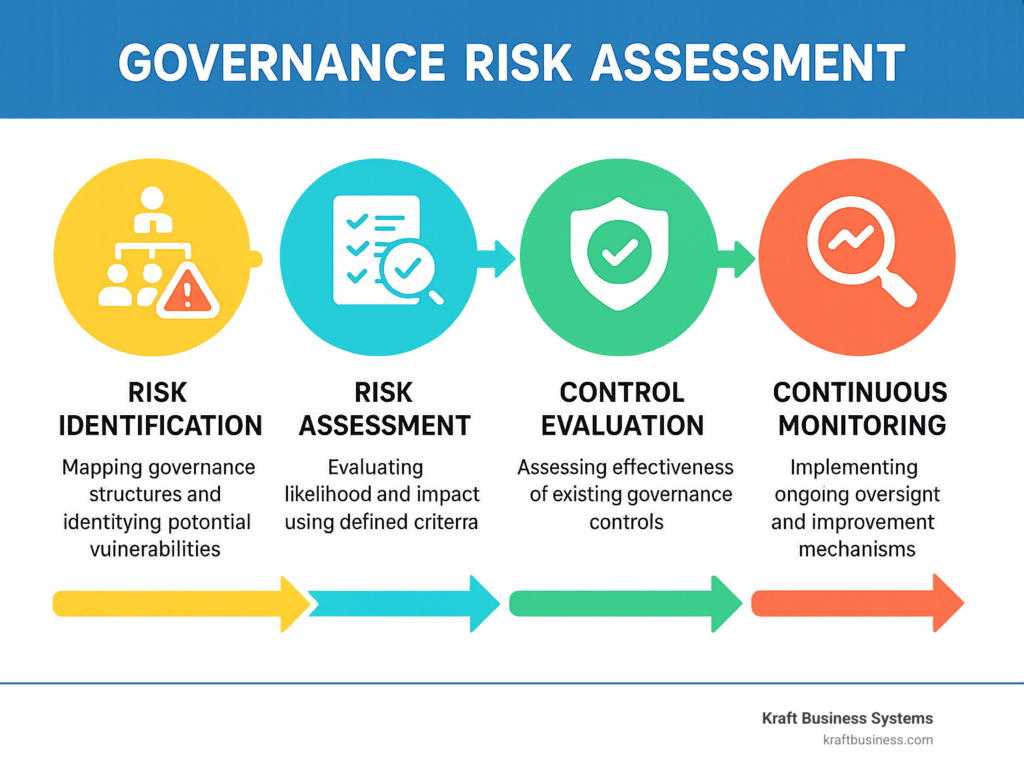
Organizations that treat risk control as part of strategic planning gain a clearer view of potential challenges before committing resources.
Several factors explain why this integration has accelerated in recent years.
1. The Growing Complexity of Business Risks
Modern risks are rarely isolated. A cyber incident, for example, may trigger regulatory penalties, reputational damage, operational disruption, and financial losses simultaneously.
Similarly, supply chain disruptions can affect production timelines, customer satisfaction, and revenue forecasts. Companies must evaluate these risks during strategic planning rather than reacting after the fact.
2. Digital Transformation and Cybersecurity
As businesses rely more heavily on digital infrastructure, cyber risk has become a major strategic concern. The IBM Cost of a Data Breach Report regularly finds that the average cost of a data breach in the United States exceeds $9 million, one of the highest averages globally.
Such risks are not merely technical issues. They influence investment decisions, vendor selection, customer trust, and brand reputation.
3. Regulatory and Compliance Pressure
Regulatory frameworks in sectors such as finance, healthcare, and technology continue to expand. Strategic planning must account for regulatory risk early in the decision process to avoid costly adjustments later.
Organizations that integrate risk analysis into planning often navigate compliance more efficiently.
4. Investor Expectations
Institutional investors increasingly evaluate how companies identify and manage risk. Transparent governance practices and structured risk oversight are now considered indicators of organizational maturity.
Companies that demonstrate proactive risk management often build greater confidence with investors and stakeholders.
What Strategic Risk Control Actually Looks Like
Integrating risk control into strategy does not simply mean producing longer reports. Instead, it involves embedding risk awareness into decision-making across departments.
In practice, organizations often adopt several key approaches.
Enterprise risk management frameworks help companies assess risks holistically rather than department by department. These frameworks connect operational risks, financial risks, regulatory concerns, and strategic objectives.
Cross-functional risk discussions are another common practice. Rather than limiting risk analysis to compliance teams, organizations involve leadership from technology, operations, finance, and marketing.
Strategic risk control often includes:
- Identifying potential threats during early planning stages
- Evaluating how risks affect long-term goals
- Assessing risk-reward tradeoffs when evaluating investments
- Preparing contingency plans for critical scenarios
This shift changes the role of risk professionals. Instead of simply documenting exposures, they increasingly act as advisors to leadership teams.
Real-World Examples of Strategic Risk Control
To understand how risk control influences strategic decisions, it helps to examine practical examples.
Supply Chain Resilience in Manufacturing
During the COVID-19 pandemic, many manufacturers experienced severe disruptions due to global supply chain dependencies.
Companies that had previously incorporated supply chain risk analysis into strategic planning were often able to adapt faster. Some had already diversified suppliers or maintained regional sourcing alternatives.
Those measures were not reactive compliance steps—they were strategic decisions informed by risk assessment.
Cyber Risk in Financial Services
Financial institutions increasingly treat cybersecurity as a strategic priority rather than an IT issue. When banks evaluate new digital platforms or partnerships, risk teams often participate directly in planning discussions.
By assessing potential vulnerabilities before implementation, organizations can avoid expensive remediation efforts later.
Climate Risk in Insurance and Energy
Climate-related risks have become central to strategic planning in industries such as insurance, utilities, and energy.
Companies evaluate how changing environmental conditions may affect infrastructure investments, insurance models, and long-term operations. Risk teams help leadership consider these factors when shaping future strategies.
How Leadership Teams Are Redefining Risk Management Roles
The move toward strategic risk control has also changed organizational structures.
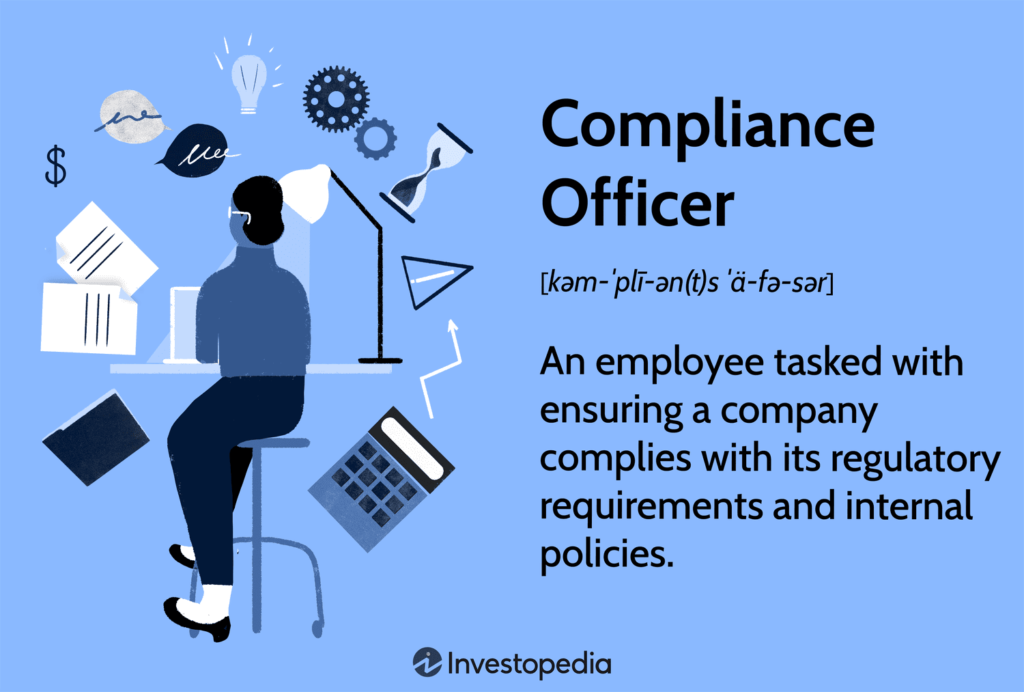
Traditionally, chief risk officers and compliance leaders operated primarily within governance frameworks. Today, many organizations involve these leaders directly in strategic planning sessions.
The evolving role of risk professionals often includes:
- Participating in executive planning meetings
- Advising leadership on emerging risks
- Interpreting regulatory trends
- Evaluating strategic investments through a risk lens
In many companies, risk professionals collaborate closely with finance and strategy teams. This collaboration ensures that risk considerations inform major decisions such as acquisitions, product launches, or international expansion.
The result is a more balanced approach to growth.
The Role of Data and Technology in Strategic Risk Control
Technology has significantly expanded the capabilities of risk management teams.
Advanced analytics, artificial intelligence, and predictive modeling now help organizations identify emerging risks earlier than traditional methods allowed.
For example, data analytics can detect:
- Fraud patterns in financial transactions
- Early indicators of supply chain disruptions
- Shifts in customer behavior that may signal operational risks
- Cybersecurity vulnerabilities across digital systems
These insights enable companies to incorporate risk intelligence directly into strategic discussions.
Many organizations now maintain risk dashboards that present real-time indicators to leadership teams. This allows decision-makers to evaluate both opportunity and risk simultaneously.
Benefits of Integrating Risk Control Into Strategy
When risk control becomes part of strategic planning, organizations often gain several practical advantages.
Stronger Decision-Making
Strategic decisions inevitably involve uncertainty. Structured risk analysis helps leaders evaluate potential outcomes more clearly.
Greater Organizational Resilience
Companies that plan for potential disruptions are better prepared to adapt when unexpected events occur.
Improved Regulatory Readiness
By identifying regulatory risks during planning stages, organizations avoid rushed compliance efforts later.
Better Resource Allocation
Understanding potential risks helps organizations prioritize investments that offer sustainable value.
Stronger Stakeholder Confidence
Transparent risk governance demonstrates accountability to investors, regulators, and customers.
Building a Strategic Risk Culture Across the Organization
Adopting strategic risk control is not simply a procedural change—it often requires a cultural shift.
Organizations that succeed in this transition typically encourage open discussions about uncertainty and potential challenges. Leaders create an environment where employees can raise concerns early rather than avoiding difficult conversations.
Several practices support this culture:
- Encouraging collaboration between departments
- Providing training on risk awareness
- Incorporating risk discussions into strategic reviews
- Establishing clear communication channels for emerging risks
Over time, risk awareness becomes part of everyday decision-making rather than a separate compliance exercise.
Challenges Organizations Face During This Transition
Despite the benefits, integrating risk control into strategic planning can present challenges.
One common obstacle is organizational structure. In some companies, risk teams remain siloed within compliance or legal departments, limiting their influence.
Another challenge involves balancing risk awareness with innovation. Leaders must ensure that risk analysis supports thoughtful decision-making without discouraging new ideas.
Organizations often address these challenges by improving communication between departments and ensuring that risk professionals participate in planning discussions early.
Frequently Asked Questions
What is risk control in business?
Risk control refers to the processes organizations use to identify, assess, and manage potential threats that could affect operations, finances, or reputation.
Why was risk management traditionally considered a back-office function?
Historically, risk management focused on compliance, regulatory reporting, and internal audits—activities typically handled by administrative departments.
What does strategic risk management mean?
Strategic risk management involves evaluating risks during major business decisions such as investments, expansions, or product development.
Why are companies integrating risk control into strategy?
Increasing complexity in areas such as cybersecurity, supply chains, and regulatory requirements requires earlier risk evaluation.
How does risk control improve business resilience?
By anticipating potential disruptions, organizations can develop contingency plans and respond more effectively when challenges arise.
What role does technology play in risk management today?
Advanced analytics and monitoring tools allow organizations to detect emerging risks earlier and support more informed decisions.
Who is responsible for risk control in a modern organization?
Responsibility typically involves multiple stakeholders, including executives, risk professionals, compliance teams, and department leaders.
How do investors evaluate corporate risk management?
Investors often review governance structures, risk oversight processes, and transparency in reporting.
Can risk control support innovation?
Yes. When managed properly, risk analysis helps organizations pursue opportunities with a clearer understanding of potential challenges.
What industries rely most heavily on strategic risk management?
Finance, healthcare, energy, technology, and manufacturing often place strong emphasis on strategic risk management due to regulatory and operational complexity.
A New Lens for Strategic Leadership
Risk control has evolved from a compliance requirement into a strategic capability that supports long-term decision-making. As businesses navigate technological change, regulatory pressure, and global uncertainty, leaders increasingly rely on structured risk analysis to guide strategy.
Organizations that embed risk awareness into planning processes often gain clearer insight into both threats and opportunities. This integrated approach enables more resilient strategies and stronger governance in an increasingly complex business environment.
Key Insights at a Glance
- Risk control is increasingly integrated into corporate strategic planning
- Modern risks—cybersecurity, supply chains, regulation—affect core business decisions
- Data analytics and technology are expanding risk visibility
- Cross-department collaboration strengthens risk oversight
- Strategic risk management supports resilience and long-term growth