Summary
Risk control in U.S. corporate governance has evolved far beyond compliance checklists. Boards are now expected to oversee enterprise risk, cybersecurity, regulatory exposure, and reputational threats in real time. Investors, regulators, and stakeholders increasingly evaluate companies based on how proactively they identify, measure, and mitigate risk—making modern risk governance a strategic leadership responsibility rather than a back-office function.
Why Risk Oversight Has Become a Core Board Responsibility
Over the past decade, the expectations placed on corporate boards in the United States have changed dramatically. Risk management is no longer viewed as a narrow compliance function handled solely by internal auditors or legal departments. Instead, it has become a central element of corporate governance.
Several forces are driving this shift.
First, regulatory scrutiny has intensified. After major corporate failures and financial crises, regulators began expecting boards to demonstrate clear oversight of enterprise risk management (ERM). In the United States, regulators increasingly examine board processes, committee structures, and documentation of risk oversight.
Second, institutional investors now evaluate risk governance as a marker of management quality. Large asset managers frequently review governance practices when deciding whether to invest or how to vote on board elections.
Third, the nature of corporate risk has changed. Traditional financial risks still matter, but companies must also address:
- Cybersecurity threats
- Data privacy compliance
- Global supply chain disruptions
- Climate and ESG exposure
- Reputational risks amplified by social media
These risks evolve quickly and can materially affect enterprise value. As a result, boards are expected to oversee risk strategy at the highest level.
A report from the National Association of Corporate Directors (NACD) found that over 80% of U.S. public company boards now conduct formal risk oversight reviews at least annually, reflecting the growing importance of governance-level risk monitoring.

What “Risk Control” Means in Modern Corporate Governance
Risk control in corporate governance refers to the systems, oversight processes, and leadership structures that ensure a company can identify, assess, and manage threats to its operations, finances, and reputation.
Historically, companies approached risk through siloed departments. Financial risk might be monitored by treasury, operational risk by operations teams, and legal risk by corporate counsel.
Today’s expectations require a far more integrated approach.
Modern risk control generally includes several interconnected components:
- Enterprise Risk Management (ERM) frameworks
- Board-level oversight of strategic risks
- Internal control systems and audit functions
- Cybersecurity governance
- Crisis management protocols
- Continuous monitoring of emerging threats
The goal is not to eliminate risk—an impossible task—but to ensure the organization understands its risk profile and can respond effectively.
In well-governed organizations, risk oversight becomes embedded in decision-making. Major strategic initiatives such as acquisitions, market expansion, or technology investments are evaluated through a risk lens.
The Expanding Role of the Board Risk Committee
One of the most visible governance changes in U.S. companies is the increased use of dedicated board risk committees.
Traditionally, audit committees handled most oversight responsibilities related to risk. However, as risk profiles became more complex, many boards began creating separate risk committees or expanding the scope of existing committees.
These committees typically oversee:
- Enterprise risk management frameworks
- Regulatory compliance risk
- Financial exposure and liquidity risk
- Cybersecurity readiness
- Business continuity planning
Financial institutions were among the first to adopt this model, particularly after regulatory reforms following the 2008 financial crisis. But the structure has spread across industries.
A typical board risk committee will:
- Meet several times per year
- Review risk dashboards and key metrics
- Evaluate emerging threats
- Ensure management maintains appropriate controls
The committee also serves as a communication bridge between senior management and the full board.
This structure allows boards to focus on strategic oversight while ensuring risk receives dedicated attention.
Cybersecurity: The Fastest-Growing Governance Priority
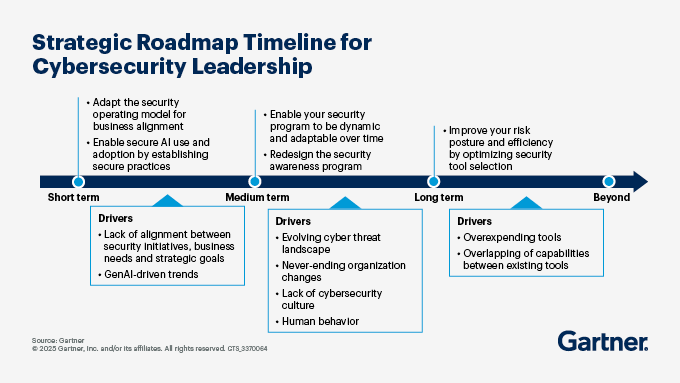
Cybersecurity has rapidly become one of the most critical areas of risk governance.
In the past, cybersecurity was considered a technical issue handled by IT teams. Today, it is viewed as a business risk with potential financial and reputational consequences.
Major breaches have demonstrated how quickly cyber incidents can affect shareholder value. In response, regulators and investors now expect boards to actively oversee cybersecurity strategy.
Effective governance in this area often includes:
- Regular cybersecurity briefings for the board
- Independent cyber risk assessments
- Incident response planning
- Executive-level accountability for security strategy
In 2023, the U.S. Securities and Exchange Commission introduced new disclosure requirements requiring public companies to report material cybersecurity incidents and governance processes related to cyber risk.
This regulatory change reinforced the expectation that cybersecurity oversight must reach the board level.
Boards are not expected to become technical experts, but they are expected to ensure management maintains robust security systems and response capabilities.
The Growing Influence of ESG and Reputation Risk
Environmental, social, and governance (ESG) issues have also expanded the definition of corporate risk.
Issues such as climate exposure, workforce practices, supply chain ethics, and data privacy increasingly influence investor behavior and public perception.
For many companies, the reputational damage associated with governance failures can exceed the direct financial cost.
For example:
- A supply chain labor controversy can trigger investor divestment
- Data misuse can lead to regulatory fines and consumer distrust
- Environmental incidents can cause lasting brand damage
As a result, boards now evaluate ESG risks alongside traditional financial risks.
Leading companies often integrate ESG risk analysis directly into their enterprise risk frameworks rather than treating it as a separate reporting category.
How Companies Are Building Stronger Risk Governance Frameworks
Organizations seeking to meet modern governance expectations typically adopt structured risk frameworks that connect strategy, oversight, and operational controls.
A well-designed framework generally includes several layers.
1. Enterprise Risk Identification
Companies conduct structured assessments to identify risks that could materially affect business objectives. These assessments often involve cross-departmental workshops and scenario analysis.
2. Risk Prioritization
Identified risks are evaluated based on likelihood and potential impact. This process allows leadership to focus on the most significant threats.
3. Risk Ownership
Each major risk category is assigned to an executive responsible for monitoring and mitigation.
4. Reporting to the Board
Management provides periodic risk reports to the board or risk committee. These reports typically include dashboards showing changes in risk levels.
5. Continuous Monitoring
Risk environments evolve quickly. Leading organizations update their assessments regularly rather than relying on annual reviews.
Companies that treat risk governance as a living process—rather than a static compliance task—tend to build stronger organizational resilience.
Practical Example: How Risk Oversight Works in Practice
Consider a U.S. manufacturing company expanding its operations into international markets.
This expansion introduces several new risks:
- Foreign regulatory compliance
- Supply chain disruptions
- Currency volatility
- Cyber vulnerabilities in global operations
A board exercising strong risk governance might approach the expansion as follows:
- Management prepares a detailed risk assessment before approving the strategy.
- The board risk committee reviews potential exposures and mitigation plans.
- Internal audit evaluates control systems related to international operations.
- Cybersecurity leadership reviews network security for overseas facilities.
- The board receives periodic updates after the expansion begins.
By integrating risk oversight into the strategic decision process, the company improves its ability to anticipate problems and respond effectively.
Why Investors Now Evaluate Risk Governance Closely
Institutional investors increasingly view governance quality as a proxy for long-term performance.
Weak governance structures often signal deeper organizational problems, including poor oversight of financial controls or strategic decision-making.
Proxy advisory firms and large asset managers regularly review governance indicators such as:
- Board independence
- Committee structures
- Risk oversight disclosures
- Executive accountability
Companies that demonstrate robust risk governance often enjoy stronger investor confidence and more stable access to capital.
Conversely, governance failures can trigger shareholder activism, regulatory scrutiny, and reputational damage.
What Effective Risk Leadership Looks Like Today
The most successful organizations approach risk governance as a strategic capability rather than a regulatory obligation.
Key characteristics of effective risk leadership include:
- Board engagement with major risk categories
- Transparent reporting between management and directors
- Integration of risk analysis into strategic planning
- Continuous monitoring of emerging threats
- Clear executive accountability for risk management
In practice, this means risk discussions occur regularly at the board level and are tied directly to business strategy.
Companies that embed risk thinking into their leadership culture tend to respond more effectively when unexpected challenges arise.
Frequently Asked Questions
What is risk control in corporate governance?
Risk control refers to the systems and oversight mechanisms that help companies identify, assess, and manage threats to their operations, finances, and reputation.
Why are boards responsible for risk oversight?
Boards are responsible for protecting shareholder interests. Effective risk oversight helps ensure management identifies and mitigates threats that could affect company performance.
What is enterprise risk management (ERM)?
ERM is a structured framework that allows organizations to evaluate risks across the entire enterprise rather than addressing them in isolated departments.
Do all companies need a board risk committee?
Not necessarily. Many companies assign risk oversight to the audit committee, though larger or more complex organizations often establish dedicated risk committees.
Why has cybersecurity become a governance issue?
Cyber incidents can cause financial losses, regulatory penalties, and reputational damage. Because of these risks, boards must ensure adequate oversight of cybersecurity strategy.
How often should boards review enterprise risks?
Best practice suggests at least annual comprehensive reviews, with periodic updates throughout the year as conditions change.
What role does internal audit play in risk governance?
Internal audit evaluates whether risk management processes and internal controls are functioning effectively.
How do investors evaluate governance quality?
Investors examine board independence, committee structures, risk disclosures, and how effectively companies manage emerging risks.
What industries face the highest governance scrutiny?
Financial services, healthcare, technology, and energy companies often face the most intensive oversight due to regulatory and operational complexity.
Can strong governance improve company performance?
While governance alone does not guarantee success, companies with strong oversight structures often demonstrate greater resilience during crises.
Governing Risk in an Era of Constant Change
Corporate governance in the United States is evolving toward a more proactive model of risk oversight. Boards are no longer expected merely to monitor compliance but to actively understand the risk landscape shaping strategic decisions.
As business environments become more complex, organizations that build disciplined governance systems will be better positioned to navigate uncertainty, protect stakeholder value, and maintain long-term credibility in the market.
Key Governance Insights at a Glance
- Risk oversight is now a core responsibility of corporate boards
- Enterprise risk management integrates multiple risk categories
- Cybersecurity has become a major governance priority
- ESG considerations increasingly influence risk analysis
- Investors closely evaluate governance quality
- Board risk committees are becoming more common
- Continuous monitoring is replacing annual risk reviews