
Modern risk control has evolved beyond regulatory compliance into a strategic discipline that informs smarter, faster business decisions. Organizations now integrate data, analytics, and cross-functional governance to proactively manage uncertainty. This shift enables leaders to balance risk and opportunity, improve resilience, and make informed decisions that align with long-term business goals in an increasingly complex environment.
The Shift from Compliance to Strategic Risk Control
For decades, risk control in U.S. organizations was largely synonymous with compliance. Companies built systems to meet regulatory requirements, avoid penalties, and satisfy auditors. While compliance remains essential, it is no longer sufficient in a business landscape defined by volatility, digital transformation, and interconnected risks.
Today, leading organizations treat risk control as a decision-support system rather than a defensive function. Instead of asking, “Are we compliant?” executives are asking, “Are we making the best possible decisions given the risks we face?”
This evolution reflects a broader shift in corporate governance. According to a 2024 report by Deloitte, over 70% of U.S. executives say risk considerations are now embedded directly into strategic planning processes. Risk is no longer a checkpoint—it is a continuous input.
Why Modern Risk Control Matters More Than Ever
Several forces are driving this transformation:
- Increased regulatory complexity across industries like finance, healthcare, and technology
- Rapid digital adoption, introducing cybersecurity and data privacy risks
- Supply chain disruptions, especially post-pandemic
- Heightened stakeholder expectations, including ESG accountability
In this environment, static risk frameworks quickly become outdated. Organizations need dynamic systems that can adapt in real time.
Consider a mid-sized manufacturing firm in Ohio. Pre-2020, its risk management efforts focused primarily on safety compliance and insurance coverage. During the pandemic, supply chain disruptions forced leadership to rethink sourcing strategies. By implementing real-time risk monitoring tools, the company began evaluating supplier reliability, geopolitical risks, and transportation bottlenecks—leading to faster, more informed decisions that reduced downtime by nearly 30%.
What Is Modern Risk Control?
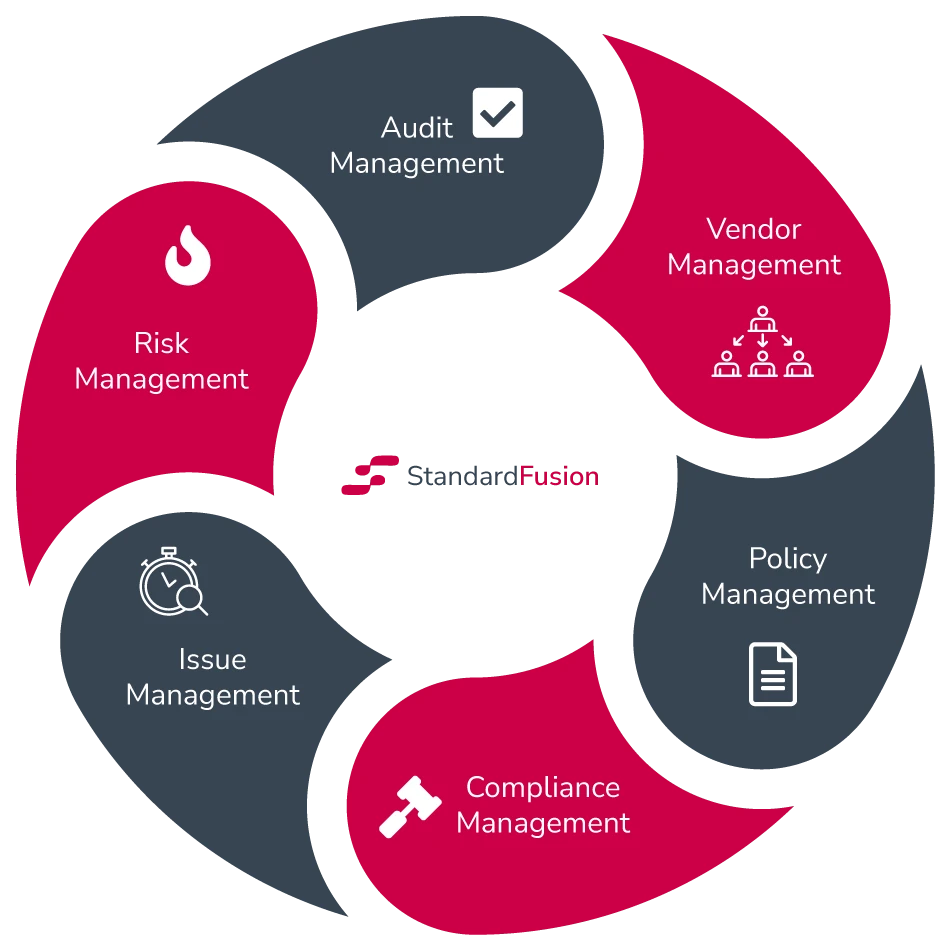
Modern risk control is a proactive, integrated approach to identifying, assessing, and managing risk across an organization. It emphasizes:
- Continuous monitoring rather than periodic reviews
- Data-driven insights instead of intuition alone
- Cross-functional collaboration rather than siloed ownership
- Alignment with strategic objectives
At its core, modern risk control connects risk awareness directly to decision-making processes.
How Risk Control Improves Decision-Making
1. Providing Context, Not Just Constraints
Traditional risk management often acted as a gatekeeper—approving or rejecting decisions based on predefined rules. Modern risk control provides context instead.
For example, instead of blocking a market expansion due to “high risk,” a modern approach might quantify:
- Probability of regulatory hurdles
- Potential financial exposure
- Mitigation strategies available
This allows executives to weigh risk against potential reward, rather than avoiding uncertainty altogether.
2. Enabling Faster Decisions
Speed matters in competitive markets. Organizations that rely on outdated risk assessments often experience delays.
Modern systems use dashboards, predictive analytics, and automated alerts to surface relevant risk information instantly. This reduces decision lag and improves responsiveness.
A U.S.-based retail chain implemented AI-driven risk analytics to monitor inventory and demand fluctuations. The result: decision cycles for inventory allocation dropped from weeks to days, improving both efficiency and profitability.
3. Supporting Scenario Planning
Modern risk control allows leaders to explore “what-if” scenarios before committing to decisions.
Common applications include:
- Market expansion strategies
- Capital investment decisions
- Mergers and acquisitions
- Cybersecurity preparedness
By modeling different outcomes, organizations can make decisions with greater confidence and fewer surprises.
Key Components of an Effective Risk Control Strategy
Integrated Data Systems
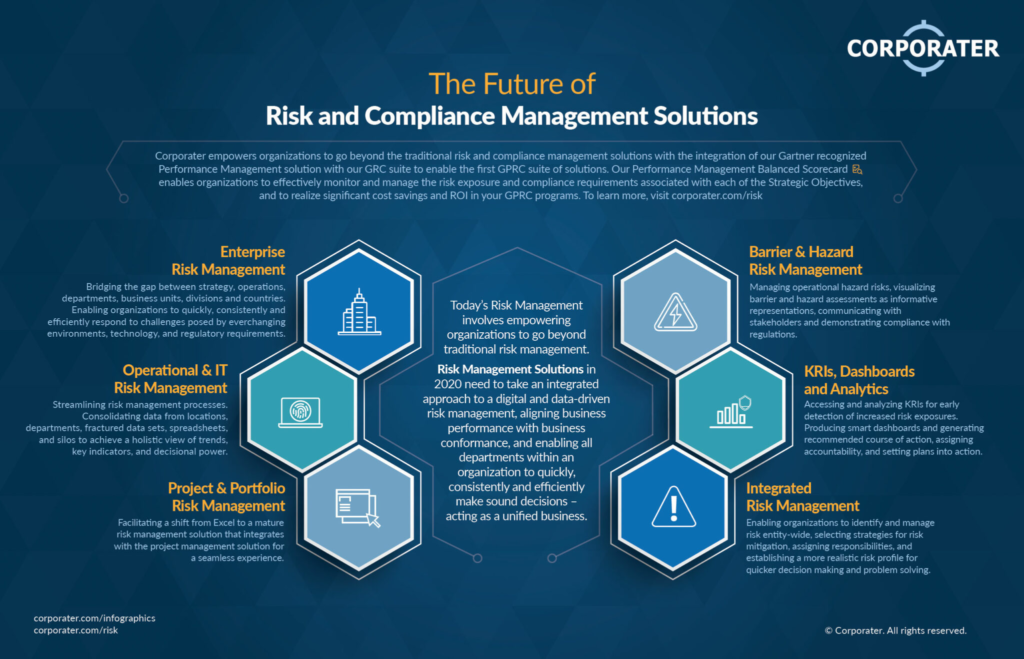
Data is the foundation of modern risk control. Organizations must aggregate information from multiple sources, including:
- Financial systems
- Operational metrics
- External market data
- Regulatory updates
The challenge is not just collecting data, but making it usable. Leading companies invest in centralized platforms that provide a unified view of risk.
Cross-Functional Collaboration
Risk is no longer confined to a single department. Effective strategies involve collaboration across:
- Finance
- Operations
- IT
- Legal
- Executive leadership
This ensures that risk insights reflect the full complexity of the organization.
Risk Appetite Frameworks
A clearly defined risk appetite helps guide decision-making. It answers a critical question: how much risk is the organization willing to take?
Without this clarity, teams may either avoid opportunities or take on excessive risk.
Continuous Monitoring and Feedback
Static risk assessments are insufficient in dynamic environments. Continuous monitoring allows organizations to:
- Detect emerging risks early
- Adjust strategies in real time
- Learn from past decisions
Real-World Applications Across Industries
Financial Services
Banks and financial institutions in the U.S. have been early adopters of advanced risk control systems. They use real-time analytics to monitor credit risk, fraud, and market volatility.
For example, a regional bank integrated machine learning models into its lending process. By analyzing borrower behavior and macroeconomic trends, it improved loan approval accuracy while reducing default rates.
Healthcare
Healthcare organizations face complex regulatory and operational risks. Modern risk control helps balance patient safety, compliance, and financial sustainability.
A hospital network in California implemented predictive analytics to identify high-risk patients. This allowed for earlier interventions, reducing readmission rates and improving outcomes.
Technology
Tech companies operate in fast-moving environments with evolving risks, particularly around cybersecurity and data privacy.
Modern risk control enables:
- Real-time threat detection
- Rapid incident response
- Informed investment in security infrastructure
Common Questions About Risk Control
What is the difference between risk management and risk control?
Risk management is the broader process of identifying and assessing risks. Risk control focuses specifically on the actions taken to mitigate or manage those risks.
How do companies measure risk effectively?
Organizations use a combination of quantitative metrics (e.g., financial exposure) and qualitative assessments (e.g., reputational impact). Advanced analytics tools are increasingly used to improve accuracy.
Is risk control only relevant for large organizations?
No. Small and mid-sized businesses benefit significantly from structured risk control, especially as they scale and face more complex challenges.
Challenges in Implementing Modern Risk Control
Despite its benefits, transitioning to modern risk control is not without challenges.
Cultural Resistance
Employees may view risk management as restrictive or bureaucratic. Shifting to a strategic mindset requires cultural change and leadership support.
Data Silos
Many organizations struggle with fragmented data systems, making it difficult to gain a comprehensive view of risk.
Resource Constraints
Implementing advanced analytics and monitoring tools requires investment. Smaller organizations may need to prioritize initiatives carefully.
Practical Steps to Strengthen Risk Control
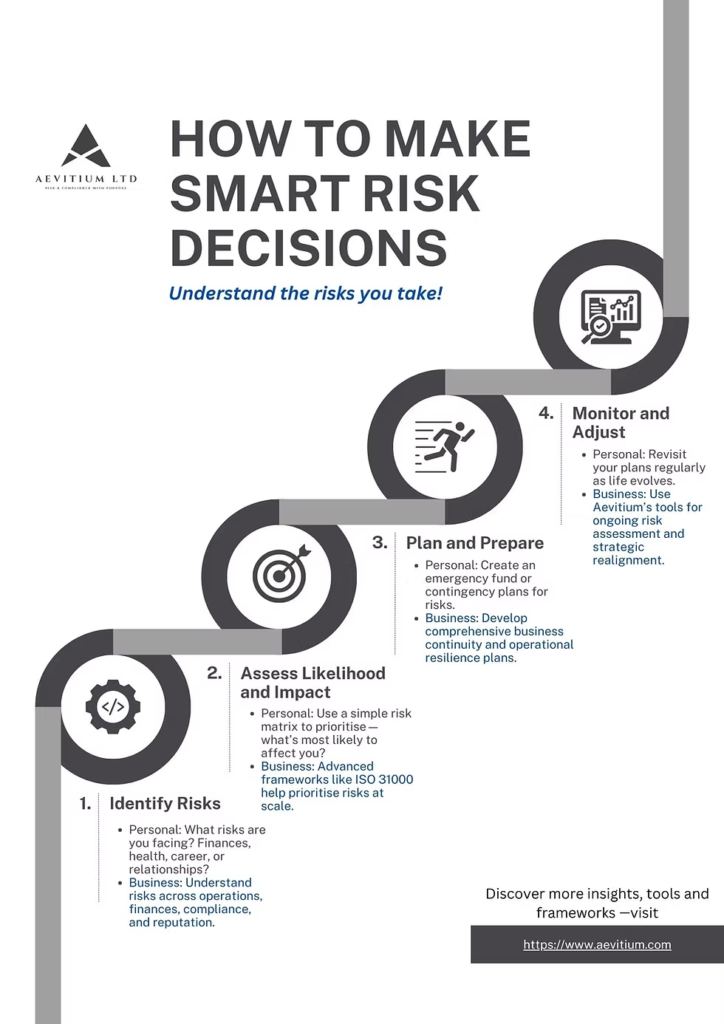
Organizations looking to modernize their approach can start with the following steps:
- Conduct a comprehensive risk assessment aligned with strategic goals
- Invest in centralized data platforms for better visibility
- Define a clear risk appetite framework
- Foster cross-functional collaboration
- Implement real-time monitoring tools
- Train leadership teams to use risk insights in decision-making
These steps do not require a complete overhaul. Incremental improvements can deliver meaningful results over time.
FAQs
1. What are risk control strategies in business?
Risk control strategies are methods organizations use to reduce, transfer, or manage risks that could impact operations or objectives.
2. How does risk control support better decisions?
It provides data-driven insights and context, helping leaders evaluate trade-offs and make informed choices.
3. What tools are used in modern risk control?
Common tools include risk management software, data analytics platforms, and real-time monitoring dashboards.
4. How often should risk assessments be updated?
Continuously, or at least quarterly, depending on the industry and risk exposure.
5. What is a risk appetite statement?
It defines the level of risk an organization is willing to accept in pursuit of its objectives.
6. Can risk control improve profitability?
Yes, by reducing losses, improving efficiency, and enabling smarter investments.
7. What role does leadership play in risk control?
Leadership sets the tone, defines risk appetite, and ensures integration into decision-making.
8. How do companies handle emerging risks?
Through continuous monitoring, scenario planning, and adaptive strategies.
9. Is compliance still important?
Absolutely. Compliance is foundational, but it is only one part of a broader risk strategy.
10. What industries benefit most from modern risk control?
All industries benefit, particularly those with high regulatory, operational, or technological complexity.
Where Risk Awareness Meets Strategic Judgment
Modern risk control is not about eliminating uncertainty—it is about understanding it well enough to act decisively. Organizations that integrate risk into their decision-making processes gain a clearer view of both threats and opportunities.
As business environments continue to evolve, the ability to navigate uncertainty with confidence will distinguish resilient organizations from reactive ones. Risk control, when approached strategically, becomes less about protection and more about performance.
Key Insights at a Glance
- Risk control has evolved from compliance to strategic decision support
- Data integration and analytics are central to modern approaches
- Faster, more informed decisions drive competitive advantage
- Cross-functional collaboration enhances risk visibility
- Continuous monitoring enables adaptability in dynamic environments

