Summary
In 2026, many U.S. investors are approaching money management with a more disciplined, data-informed mindset. Rather than chasing short-term gains, they are prioritizing diversification, automation, cost efficiency, and long-term planning. This article explores how experienced investors are adapting to modern market realities, economic shifts, and new technology while maintaining strategies focused on sustainable wealth building.
The Investment Landscape Has Changed — And Investors Are Adapting
The financial environment in 2026 looks meaningfully different from a decade ago. Persistent inflation cycles, higher interest rate ranges compared to the early 2020s, rapid technological change, and evolving retirement expectations have influenced how Americans think about investing.
Many investors learned difficult lessons during periods of market volatility earlier in the decade. As a result, experienced investors today tend to prioritize resilience and flexibility in their portfolios rather than focusing solely on growth.
According to long-term research from Vanguard and Morningstar, the most successful investors historically share several habits: disciplined contributions, diversified portfolios, low fees, and patience during market downturns.
What has changed in 2026 is not the core principles of investing—but how investors apply them in a more complex financial environment.

A Stronger Focus on Diversification Beyond Traditional Assets
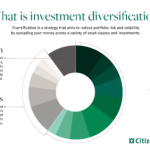
Diversification has always been a core investment principle, but in 2026 it has expanded well beyond the traditional stock-and-bond mix.
Smart investors increasingly spread their capital across multiple asset categories to manage risk and smooth out volatility. This approach reflects the reality that markets move in cycles, and no single asset class consistently leads performance.
Common portfolio diversification approaches now include:
• U.S. equity index funds
• International developed and emerging market exposure
• Treasury and corporate bonds
• Real estate investment trusts (REITs)
• Commodities or inflation-sensitive assets
• Cash or short-term Treasury funds for liquidity
Rather than making aggressive predictions about which asset will outperform, experienced investors build portfolios designed to perform reasonably well across many economic scenarios.
For example, a mid-career professional investing for retirement might hold:
- 55% diversified global equities
- 25% bonds or fixed income
- 10% real estate investments
- 10% cash or short-term reserves
This structure allows the investor to participate in market growth while reducing the impact of market downturns.
Automation Is Replacing Emotional Decision-Making
One of the biggest shifts among experienced investors in 2026 is the use of automation to remove emotion from investing decisions.
Market volatility often triggers impulsive reactions. Investors may panic during downturns or chase performance during market rallies. Automation tools help reduce those behavioral mistakes.
Popular automation strategies include:
• Automatic monthly contributions to investment accounts
• Portfolio rebalancing tools
• Dividend reinvestment programs (DRIPs)
• Target-date retirement funds
• Robo-advisor portfolio management
For example, an investor who automatically contributes $800 per month into diversified index funds removes the temptation to time the market. Over long periods, this strategy—known as dollar-cost averaging—has historically reduced the risk of investing at unfavorable moments.
Many brokerage platforms now offer automatic rebalancing, ensuring that asset allocations stay aligned with the investor’s long-term plan.
Lower Fees Are Becoming a Central Priority
Another major change among informed investors is heightened awareness of investment costs.
Even small fees can significantly affect long-term returns. A portfolio paying 1.5% annually in fees may lose hundreds of thousands of dollars in potential growth over several decades compared to a portfolio paying 0.1% or less.
As a result, many investors in 2026 favor low-cost investment vehicles such as:
• Broad market index funds
• Exchange-traded funds (ETFs)
• Fee-transparent brokerage accounts
• Low-expense retirement plans
This shift reflects the increasing availability of cost-efficient investment options. Large providers such as Vanguard, Fidelity, and Schwab now offer many funds with expense ratios below 0.05%.
For long-term investors, minimizing fees is one of the few factors fully within their control.
Tax Efficiency Is Receiving More Attention
Smart investors are also paying closer attention to tax efficiency. With higher tax awareness and better financial planning tools available, investors now often structure portfolios with after-tax returns in mind.
Strategies commonly used include:
• Placing tax-efficient funds in taxable brokerage accounts
• Holding bonds or income-producing assets inside retirement accounts
• Using tax-loss harvesting during market declines
• Contributing regularly to tax-advantaged accounts
For many Americans, the most effective investment strategy begins with maximizing tax-advantaged accounts such as:
- 401(k) plans
- Individual Retirement Accounts (IRAs)
- Health Savings Accounts (HSAs)
The tax advantages of these accounts—such as tax-deferred growth or tax-free withdrawals—can significantly increase long-term wealth accumulation.
Technology Is Expanding Access to Investment Tools
Advances in financial technology have dramatically changed how Americans manage investments.
In the past, sophisticated portfolio analysis tools were primarily available to professional wealth managers. Today, individual investors can access similar tools through mobile apps and online brokerage platforms.
Technology now helps investors:
• Track portfolio performance across accounts
• Analyze diversification and risk exposure
• Estimate retirement projections
• Monitor fees and tax implications
• Automate savings and investing schedules
Robo-advisors have also gained popularity among younger investors. These platforms build diversified portfolios using algorithms and manage rebalancing automatically.
For investors who prefer a hands-off approach, these services provide a simple way to maintain disciplined investment strategies.
Long-Term Thinking Is Regaining Importance
During speculative market periods earlier in the decade, many investors became focused on short-term trading and market timing.
However, experienced investors in 2026 are returning to a long-term mindset.
Historical data consistently shows that long-term investors who remain invested through market cycles tend to outperform those attempting to predict short-term movements.
For example, missing just the 10 best market days over a 20-year period can significantly reduce total returns. Because many of those strong days occur shortly after market declines, investors who panic and exit the market often miss critical recovery periods.
As a result, disciplined investors focus on long-term principles:
• Maintaining consistent contributions
• Avoiding emotional reactions to headlines
• Reviewing portfolios periodically rather than daily
• Aligning investments with long-term financial goals
Investors Are Linking Investments to Real Financial Goals
Another noticeable change in 2026 is the shift toward goal-based investing.
Rather than viewing investing as an abstract activity, many investors now organize portfolios around specific life objectives.
Examples include:
• Retirement income planning
• Saving for children’s education
• Building emergency reserves
• Purchasing a home or second property
• Generating passive income streams
This approach helps investors maintain discipline during market volatility because the focus remains on the ultimate objective rather than short-term fluctuations.
For instance, a 35-year-old saving for retirement in 30 years is less likely to panic during a temporary market correction when the time horizon remains long.
Practical Example: A Modern Investor’s Portfolio Strategy
Consider a hypothetical investor named Michael, a 42-year-old engineer earning $120,000 annually.
In 2026, his investment strategy reflects many of the principles used by experienced investors.
Michael’s financial approach includes:
• Automatic monthly contributions to his 401(k)
• A diversified mix of index funds and international exposure
• Quarterly portfolio reviews rather than constant monitoring
• A low-cost ETF portfolio with minimal fees
• Emergency savings held in short-term Treasury funds
His portfolio allocation may look something like this:
- 60% global equity index funds
- 20% bond ETFs
- 10% real estate investment trusts
- 10% cash or short-term government bonds
This structure balances long-term growth with stability and liquidity.
Frequently Asked Questions
What is the most common investment strategy in 2026?
Many investors favor diversified portfolios built around low-cost index funds combined with automated contributions and long-term planning.
Are index funds still popular among experienced investors?
Yes. Index funds remain widely used because they provide broad diversification and typically have very low fees compared to actively managed funds.
How important is diversification today?
Diversification remains one of the most important risk-management strategies. It helps reduce the impact of volatility within any single asset class.
Should investors still hold bonds in their portfolios?
Yes. Bonds often provide stability and income, especially during periods when stock markets experience volatility.
Are robo-advisors reliable investment tools?
For many investors, robo-advisors provide a simple and cost-effective way to maintain diversified portfolios with automatic rebalancing.
What percentage of income should people invest?
Financial planners often recommend saving and investing 10–20% of income, though the ideal amount depends on individual goals and timelines.
Is market timing still considered risky?
Yes. Consistently predicting short-term market movements is extremely difficult, and most professional investors avoid relying on timing strategies.
How often should investors review their portfolios?
Many financial advisors recommend reviewing portfolios once or twice per year to ensure allocations remain aligned with long-term goals.
Are younger investors investing differently today?
Younger investors often rely more heavily on automated investing platforms and mobile brokerage apps.
What is the biggest mistake investors still make?
Reacting emotionally to short-term market movements remains one of the most common investment mistakes.
The Direction Smart Investors Are Moving
The most successful investors in 2026 are not necessarily using complex strategies or predicting market movements. Instead, they are focusing on consistent principles: diversification, cost efficiency, disciplined contributions, and long-term planning.
Technology has made investing more accessible, but the core fundamentals remain unchanged. Investors who approach markets with patience, clear goals, and thoughtful risk management are often best positioned to navigate changing economic conditions.
Key Ideas to Remember
• Diversification remains essential for managing market risk
• Automation helps investors stay disciplined during volatility
• Lower investment fees can significantly improve long-term returns
• Tax-efficient investing is gaining importance
• Technology has expanded access to professional-grade tools
• Long-term thinking continues to outperform short-term speculation
• Aligning investments with financial goals improves decision-making
What This Means for Investors Moving Forward
Investing successfully in today’s environment is less about predicting markets and more about building systems that support disciplined decision-making. Investors who emphasize diversification, automation, tax awareness, and long-term thinking are positioning themselves to navigate uncertainty while steadily building financial security.
Quick Recap for Busy Readers
• Smart investors emphasize diversification across multiple asset classes
• Automation helps remove emotion from investing decisions
• Low fees significantly improve long-term portfolio growth
• Tax-advantaged accounts remain critical wealth-building tools
• Technology has simplified professional-grade investment management
• Long-term investing continues to outperform short-term speculation