Summary
Organizations that detect risk earlier typically rely on stronger information flows, clearer governance structures, and cultures that encourage proactive reporting. Early detection rarely comes from luck; it results from disciplined monitoring, cross-department communication, data analytics, and leadership awareness. Companies that build structured risk detection processes tend to avoid costly surprises and respond more effectively when uncertainty emerges.
Understanding the Advantage of Early Risk Detection
Every organization faces uncertainty. Market shifts, operational disruptions, regulatory changes, cybersecurity threats, and supply chain failures can emerge with little warning. Yet some organizations consistently identify warning signs early, while others only react after a problem has already escalated.
The difference rarely lies in intelligence or resources alone. Instead, early risk detection tends to emerge from structured systems and organizational habits developed over time.
In practical terms, early detection means recognizing patterns, anomalies, or signals before they become crises. This could involve noticing unusual financial activity, identifying supplier instability, detecting security vulnerabilities, or recognizing market changes before competitors.
According to the Global Risk Management Survey by Deloitte, organizations with mature risk management programs report significantly fewer unexpected financial losses compared with organizations where risk oversight is fragmented.
Early detection gives organizations several advantages:
- More time to evaluate options
- Lower cost of response
- Reduced reputational damage
- Greater resilience during disruptions
But the organizations that achieve this advantage tend to share several specific practices.

Strong Information Flow Across the Organization
One of the most consistent predictors of early risk detection is how well information moves within an organization.
In many companies, risk signals exist long before leaders become aware of them. A frontline employee may notice unusual system activity. A procurement manager may see supplier instability. A finance team may detect small irregularities.
The difference between early detection and delayed response often comes down to whether these signals travel upward quickly and clearly.
Organizations that detect risks early typically build communication channels that allow information to move without unnecessary barriers.
These organizations often rely on:
- Cross-department reporting structures
- Clear escalation paths
- Regular operational review meetings
- Transparent internal communication systems
For example, large logistics companies often use daily operational dashboards that integrate shipping delays, supplier performance, weather disruptions, and inventory levels. When patterns appear, risk teams can investigate immediately.
Without this visibility, small issues may remain hidden until they become operational disruptions.
Leadership That Prioritizes Risk Awareness
Another important factor is leadership perspective. In organizations that detect risk early, leaders tend to view risk management as a strategic function rather than a compliance exercise.
When leadership encourages proactive monitoring, employees become more attentive to emerging issues.
Conversely, organizations where risk reporting is discouraged or ignored often experience delayed detection.
Research from the Harvard Business Review Analytic Services indicates that companies where senior leadership actively participates in risk oversight demonstrate higher resilience during operational disruptions.
Effective leaders typically encourage:
- Open discussion of operational challenges
- Data-driven decision making
- Early escalation of concerns
- Routine risk reviews during strategic planning
These practices create an environment where risk signals are noticed and addressed sooner.
Data Monitoring and Analytics Capabilities
Modern organizations generate enormous volumes of data. Companies that detect risk early often invest in systems that analyze this data for unusual patterns.
These tools help identify risks that may not be obvious through manual observation.
Examples include:
- Fraud detection algorithms in financial institutions
- Network monitoring systems in cybersecurity teams
- Predictive maintenance in manufacturing equipment
- Supply chain analytics in retail operations
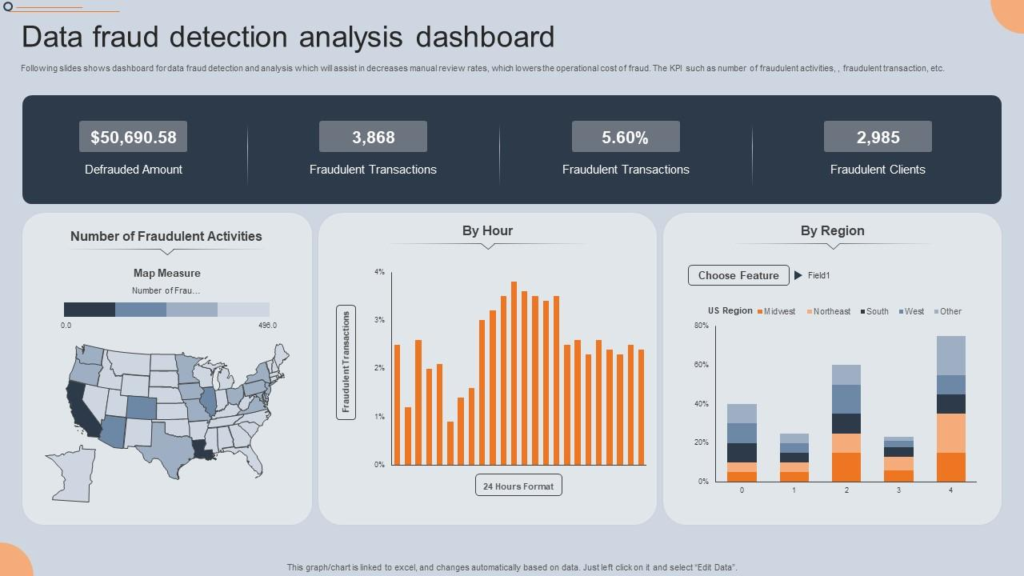
For instance, banks commonly use automated monitoring systems that flag unusual transaction patterns. These alerts allow investigators to review activity before financial losses escalate.
Similarly, manufacturers increasingly rely on sensor-based monitoring systems that detect equipment abnormalities before a breakdown occurs.
While technology alone cannot prevent risk, it can significantly improve visibility and response speed.

Clearly Defined Risk Ownership
Another characteristic of organizations that detect risk early is clarity about responsibility.
In many companies, risk oversight becomes fragmented. Different departments assume someone else is monitoring potential issues.
This ambiguity often leads to delayed detection.
Organizations that perform well in risk detection typically assign clear ownership for monitoring key risk areas.
Common examples include:
- Cybersecurity teams responsible for digital threats
- Compliance officers monitoring regulatory changes
- Supply chain managers tracking vendor stability
- Financial controllers overseeing transaction integrity
When roles are clearly defined, potential issues are more likely to be investigated quickly.
Clear ownership also improves accountability. When a risk signal appears, someone knows it is their responsibility to evaluate it.
A Culture That Encourages Reporting
Perhaps the most underestimated factor in early risk detection is organizational culture.
In environments where employees fear blame or criticism, risk signals often remain hidden. Employees may hesitate to report problems because they worry about negative consequences.
Organizations that detect risks earlier tend to cultivate psychological safety around reporting concerns.
Employees are encouraged to speak up when they notice unusual activity, operational weaknesses, or potential compliance issues.
Common mechanisms that support this culture include:
- Anonymous reporting channels
- Regular risk awareness training
- Non-punitive incident reporting policies
- Open communication between teams
For example, aviation safety systems rely heavily on voluntary reporting programs where pilots and crew members report safety concerns without fear of disciplinary action.
This approach has significantly improved the industry’s ability to identify and correct risks before accidents occur.
Continuous Monitoring Instead of Periodic Reviews
Some organizations treat risk assessment as an annual exercise, reviewing policies once per year. In fast-moving industries, this approach can leave large blind spots.
Organizations that detect risk earlier often adopt continuous monitoring practices.
Instead of waiting for formal audits, they evaluate risk indicators regularly through operational data.
Examples of continuous monitoring include:
- Real-time cybersecurity threat monitoring
- Ongoing financial transaction reviews
- Supplier performance tracking
- Environmental and safety monitoring
Continuous monitoring allows organizations to recognize small changes before they become large disruptions.
This approach is particularly important in industries such as finance, healthcare, energy, and technology, where risks evolve rapidly.
Learning From Past Incidents
Organizations that improve risk detection rarely rely only on prevention strategies. They also study previous incidents carefully.
After disruptions or near-misses, mature organizations conduct structured reviews to understand:
- What signals were missed
- Where communication failed
- Which controls were ineffective
- How detection could have occurred earlier
These reviews help refine monitoring systems and improve awareness.
Industries such as aviation, healthcare, and nuclear energy have long used incident analysis frameworks to strengthen safety systems.
Over time, these practices significantly enhance early risk detection capabilities.
External Awareness and Market Intelligence
Risk signals do not always originate inside an organization. Many early warnings come from external developments.
Organizations that detect risks early often maintain awareness of broader industry trends.
This can include monitoring:
- Regulatory developments
- Economic indicators
- Supplier financial health
- Competitor activity
- Emerging cybersecurity threats
For example, companies with global supply chains frequently monitor geopolitical developments and trade policies to anticipate potential disruptions.
Access to external intelligence allows organizations to anticipate risks before they directly impact operations.
Frequently Asked Questions
What does early risk detection mean in business?
Early risk detection refers to the ability to identify potential threats or vulnerabilities before they escalate into significant operational, financial, or reputational problems.
Why do some organizations detect risks earlier than others?
Organizations that detect risk early usually have better data monitoring systems, stronger communication channels, clear risk ownership, and leadership that prioritizes proactive oversight.
What role does company culture play in risk detection?
Culture strongly influences reporting behavior. When employees feel safe reporting concerns, organizations are more likely to detect problems before they escalate.
Can technology improve risk detection?
Yes. Analytics tools, monitoring systems, and predictive models can identify unusual patterns that signal emerging risks.
What industries benefit most from early risk detection?
Industries with high operational complexity—such as finance, healthcare, aviation, energy, and technology—benefit significantly from strong risk detection capabilities.
How do organizations monitor emerging risks?
They often use a combination of data analytics, regulatory monitoring, industry research, and internal reporting systems.
Is early risk detection expensive to implement?
Costs vary, but many improvements involve better processes and communication, not just expensive technology.
What is a risk indicator?
A risk indicator is a measurable signal that may suggest an emerging problem, such as rising system errors, delayed supplier deliveries, or unusual financial activity.
How can small businesses improve risk detection?
Small businesses can improve detection by establishing clear reporting channels, monitoring key operational metrics, and reviewing incidents to identify missed signals.
Does early detection eliminate risk?
No system eliminates risk entirely. Early detection simply allows organizations to respond sooner and reduce potential impact.
Signals That Separate Prepared Organizations From Reactive Ones
Organizations rarely detect risk early by chance. The capability usually reflects systems, leadership priorities, communication structures, and organizational culture working together.
When information flows freely, responsibilities are clear, and monitoring systems provide continuous visibility, potential problems become easier to identify.
Companies that treat risk awareness as part of everyday operations tend to respond faster and with greater confidence when uncertainty emerges.
Over time, these habits strengthen organizational resilience and reduce the likelihood of costly surprises.
Key Insights at a Glance
- Early risk detection relies on strong internal communication.
- Leadership engagement significantly improves risk awareness.
- Data analytics tools help reveal patterns humans might miss.
- Clear risk ownership prevents oversight gaps.
- Supportive reporting cultures encourage employees to share concerns.
- Continuous monitoring provides faster warning signals than annual reviews.
- Incident reviews strengthen future detection systems.
- External intelligence helps anticipate emerging risks.