Summary
Modern businesses face a difficult balance: managing risk while continuing to innovate. Leading organizations are redesigning risk control systems so they enable progress rather than restrict it. By embedding risk awareness into decision-making, using real-time data, and empowering teams with clear frameworks, companies can protect operations while still experimenting, launching new products, and adapting quickly in competitive markets.
Why Risk Control and Innovation Often Seem to Conflict
For many years, businesses treated risk management and innovation as opposing forces. Risk control was traditionally associated with compliance, oversight, and preventing mistakes, while innovation required experimentation and uncertainty.
This mindset created a structural tension. Innovation teams wanted speed, while risk teams emphasized caution.
However, in today’s environment—defined by digital transformation, cybersecurity threats, global supply chains, and evolving regulations—organizations cannot afford either extreme. According to research from the Deloitte, more than 60% of executives say managing risk while maintaining agility is one of their biggest strategic challenges.
Forward-thinking companies have started reframing risk control not as a barrier, but as an enabler of responsible experimentation.
Instead of asking, “How do we prevent risk?” the better question becomes:
How do we take smarter risks without exposing the business to unnecessary damage?

The Shift Toward “Innovation-Safe” Risk Control
Modern risk frameworks are designed to allow experimentation within defined boundaries. This concept—sometimes called “innovation-safe governance”—lets companies move forward while maintaining oversight.
Organizations increasingly adopt these principles:
- Risk policies built around guidelines rather than rigid approvals
- Real-time monitoring systems instead of slow manual reviews
- Cross-functional risk teams embedded in product development
- Risk testing environments such as pilot programs or sandboxes
A common example appears in the technology sector. Companies developing new digital products frequently release early versions in limited markets, collecting data while controlling exposure.
Financial institutions, for instance, often launch fintech tools through controlled beta environments, ensuring regulatory compliance before a full rollout.
This approach ensures that innovation happens within structured guardrails rather than in isolation from oversight.
Embedding Risk Awareness Into Daily Operations
One of the most effective ways companies balance innovation with risk control is by distributing responsibility across the organization.
Historically, risk was handled primarily by compliance or legal departments. Today, companies recognize that risk decisions happen everywhere—from engineering teams to product managers.
The concept often referred to as “risk ownership” encourages employees to evaluate potential impacts early in the decision-making process.
Organizations implementing this model typically focus on:
- Training employees to recognize operational and strategic risks
- Integrating risk checkpoints into product development cycles
- Creating simple frameworks teams can use without slowing work
Companies such as Microsoft have publicly emphasized the importance of embedding risk management into engineering culture. Product teams evaluate security, data privacy, and operational risk continuously throughout development.
When risk thinking becomes part of normal workflows, innovation can proceed without last-minute compliance delays.
Data and Technology Are Transforming Risk Control
Another major shift involves the growing role of real-time data and analytics.
Traditional risk management relied heavily on periodic reviews and audits. These methods often identified problems only after they had already occurred.
Modern companies increasingly use technology to detect emerging risks early.
Examples include:
- AI-driven cybersecurity monitoring
- Automated compliance tracking systems
- Predictive analytics for supply chain disruptions
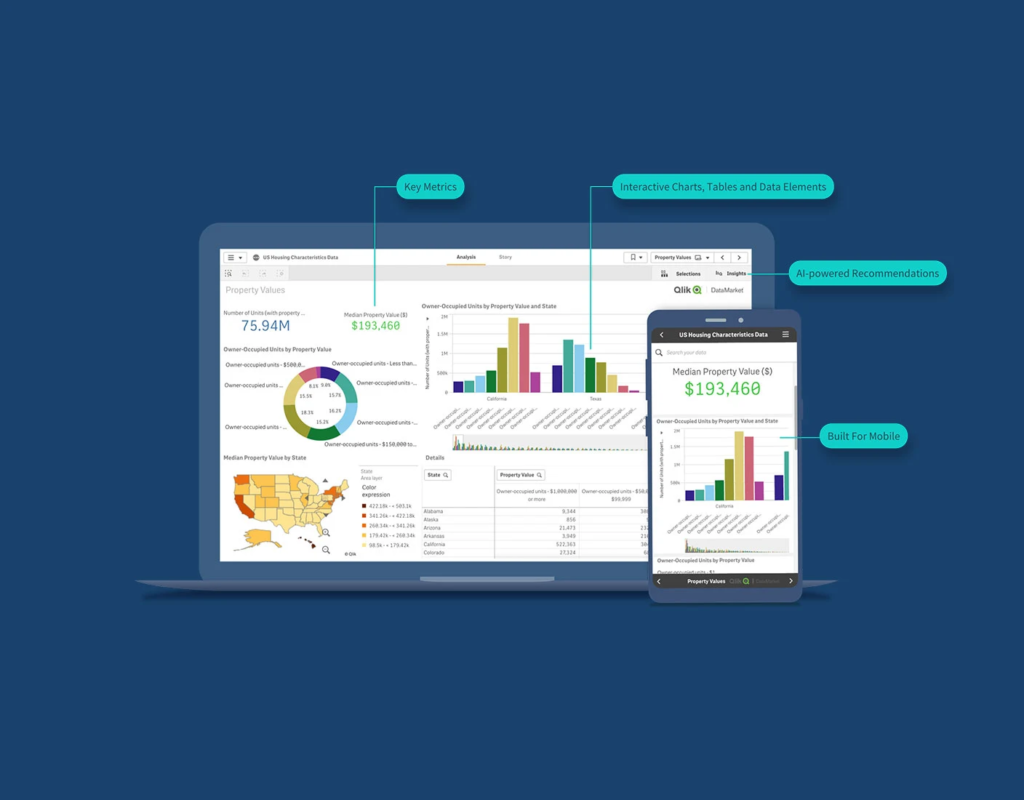
- Risk dashboards available to executives and operational teams
According to research from the World Economic Forum, organizations that adopt digital risk monitoring tools can reduce operational disruptions by as much as 30% because problems are identified sooner.
The key advantage is speed. When risk signals appear immediately, organizations can adjust course without stopping innovation.
The Role of Leadership in Balancing Risk and Innovation
Successful organizations understand that culture plays a central role in risk control.
If employees believe risk discussions will punish experimentation, innovation will slow dramatically. On the other hand, ignoring risk signals can expose the company to serious damage.
Effective leaders establish a culture where:
- Responsible experimentation is encouraged
- Transparent reporting of risks is rewarded
- Learning from failures is normalized
Executives often reinforce this approach through clear messaging and governance structures.
For example, companies may establish innovation review boards that evaluate new ideas not just for market potential but also for risk exposure. Instead of rejecting risky ideas outright, these boards help teams modify projects to reduce exposure while keeping the concept alive.
Leadership alignment ensures risk control supports long-term strategy rather than simply enforcing rules.
Practical Examples From Different Industries
The balance between innovation and risk control varies across sectors, but the underlying principles remain consistent.
Financial Services
Banks and fintech companies operate under strict regulatory oversight. Yet innovation continues rapidly in areas like digital payments and AI-driven financial tools.
Organizations often use regulatory sandboxes—controlled testing environments approved by regulators—where new products can be evaluated safely before large-scale deployment.
Healthcare
Healthcare providers must protect patient safety and comply with strict privacy regulations such as Health Insurance Portability and Accountability Act (HIPAA).
Hospitals adopting digital health platforms typically introduce new technologies through pilot programs, ensuring compliance and clinical safety before full adoption.
Manufacturing
Manufacturers exploring automation and robotics manage risk through phased implementation.
Instead of replacing entire production lines immediately, companies test automation in smaller sections of operations, reducing potential disruption.
Technology
Software companies frequently use continuous integration and testing systems. These platforms allow developers to deploy updates quickly while automatically scanning for security vulnerabilities or system errors.
Across industries, the strategy is similar: test, monitor, learn, and scale gradually.
Key Frameworks That Help Organizations Manage Risk Without Slowing Innovation
Many companies rely on established frameworks that provide structure without limiting flexibility.
Commonly used approaches include:
- Enterprise Risk Management (ERM) frameworks
- Agile development processes
- Scenario planning and stress testing
- Risk-adjusted decision models
- Innovation governance committees
One influential model comes from the Committee of Sponsoring Organizations of the Treadway Commission, whose ERM framework emphasizes integrating risk awareness into strategy and performance management.
Instead of treating risk as a separate function, ERM encourages companies to incorporate risk analysis directly into strategic planning.
This integration helps organizations evaluate opportunities more realistically while maintaining momentum.
How Companies Design “Guardrails” Instead of Roadblocks
A useful way to understand modern risk control is the idea of guardrails rather than barriers.
Guardrails allow movement while preventing dangerous outcomes.
Organizations typically implement guardrails through:
- Predefined risk thresholds for new projects
- Approval levels based on financial exposure
- Data security standards for product development
- Incident response plans prepared before experimentation begins
This approach allows teams to explore new ideas within safe boundaries.
Instead of asking for approval for every step, teams know the limits and can operate confidently within them.
The Strategic Benefits of Balanced Risk Control
Companies that successfully integrate risk control with innovation gain several strategic advantages.
These include:
- Faster product development cycles
- Improved regulatory compliance
- Stronger resilience during disruptions
- Higher investor confidence
- More informed strategic decision-making
Research from McKinsey & Company suggests organizations with integrated risk management practices are significantly more likely to outperform peers during periods of economic uncertainty.
Risk control becomes not just a protective function but a driver of long-term stability and growth.
Common Mistakes Organizations Still Make
Even companies trying to modernize risk management can fall into familiar traps.
Common problems include:
- Treating risk control as purely a compliance exercise
- Adding approval layers that slow innovation unnecessarily
- Ignoring operational risks during early product development
- Failing to communicate risk policies clearly to employees
- Relying too heavily on historical data rather than forward-looking analysis
Organizations that avoid these mistakes tend to focus on continuous improvement, regularly updating risk frameworks as technology and markets evolve.
Frequently Asked Questions
What is risk control in business?
Risk control refers to the policies, processes, and tools organizations use to identify, assess, and reduce potential threats to operations, finances, reputation, or compliance.
Can strong risk control actually support innovation?
Yes. When implemented effectively, risk control provides clear boundaries and data insights, allowing teams to experiment with confidence while avoiding major disruptions.
Why do many companies struggle with balancing risk and innovation?
Many organizations rely on outdated governance systems designed primarily for compliance rather than agile decision-making.
What role does technology play in modern risk management?
Technology enables real-time monitoring, predictive analytics, and automated compliance checks, helping companies detect risks early without slowing operations.
How do startups handle risk control?
Startups often implement lightweight governance frameworks, focusing on rapid testing and small-scale pilots before committing to larger investments.
What industries face the highest risk management demands?
Financial services, healthcare, technology, energy, and manufacturing typically operate under the most complex risk environments.
How can companies build a risk-aware culture?
Organizations can promote risk awareness through training, transparent communication, and leadership support for responsible decision-making.
What is a risk “sandbox”?
A sandbox is a controlled testing environment where new products or technologies can be evaluated safely before full deployment.
How often should companies update risk frameworks?
Most organizations review risk policies annually, but high-growth companies may update them more frequently.
What is the difference between risk management and risk control?
Risk management is the broader strategy of identifying and evaluating risks, while risk control focuses on specific actions taken to reduce or mitigate those risks.
Innovation Thrives When Risk Is Managed, Not Avoided
The relationship between innovation and risk control is evolving. Businesses no longer see risk management as a barrier to progress but as a necessary structure that allows experimentation to happen responsibly.
Organizations that embed risk awareness into operations, use data intelligently, and encourage transparent decision-making are better equipped to navigate uncertainty.
In a competitive global economy, the companies most likely to succeed are those that innovate boldly while managing risk with discipline and foresight.
Core Insights From This Guide
- Innovation and risk control can coexist when organizations design flexible governance systems
- Data and analytics allow companies to detect risk earlier without slowing operations
- Embedding risk awareness across teams improves decision-making speed
- Pilot programs and sandboxes help organizations experiment safely
- Leadership culture plays a critical role in balancing innovation and risk
- Guardrails work better than rigid approval processes
- Integrated risk frameworks improve resilience and long-term performance