Summary
Modern enterprises are moving beyond reactive risk management toward proactive risk control strategies that identify threats earlier and reduce operational disruption. By combining data analytics, governance frameworks, and cross-department collaboration, organizations can anticipate risks before they escalate. This shift helps businesses maintain resilience, protect reputation, and make more confident strategic decisions in an increasingly complex economic and regulatory environment.
Why Risk Control Is Becoming Proactive
For decades, many organizations approached risk management reactively. A compliance issue would trigger policy updates, or a cybersecurity incident would lead to stronger protections afterward. While reactive responses remain necessary, they are no longer sufficient in an environment defined by rapid technological change, complex supply chains, and evolving regulations.
Today’s enterprises are facing a broader spectrum of risk than ever before. Operational disruptions, cybersecurity threats, regulatory changes, geopolitical instability, and reputational risks can all affect business continuity. As a result, forward-thinking organizations are investing in proactive risk control systems that anticipate problems earlier and reduce exposure before incidents occur.
The concept is simple: instead of responding after damage occurs, proactive risk control aims to identify patterns, vulnerabilities, and early warning signals that allow companies to intervene sooner. This shift reflects a broader change in corporate governance, where risk management is increasingly integrated into strategic planning rather than treated as a back-office function.
According to research published by Deloitte, organizations with mature risk management frameworks are significantly more likely to detect operational issues early and maintain stronger financial performance during disruptions. The reason is straightforward—anticipating risk allows companies to respond with preparation instead of urgency.
What Proactive Risk Control Actually Means
Proactive risk control involves building systems and processes that continuously monitor potential threats and respond before those threats become crises.
Unlike traditional compliance programs, which often focus on meeting regulatory requirements, proactive risk control emphasizes anticipation and prevention.
At its core, proactive risk control includes:
- Continuous risk monitoring rather than periodic audits
- Predictive data analysis to detect emerging risks
- Cross-department collaboration between operations, compliance, and leadership
- Clear escalation pathways when warning signals appear
- Ongoing evaluation of controls and safeguards
Organizations that adopt these practices create a risk-aware culture where employees are encouraged to identify vulnerabilities early.
Consider a large manufacturing company managing global supply chains. Instead of reacting when shipments are delayed, the company might monitor supplier financial health, regional political developments, and logistics capacity. If early signals indicate potential disruption, procurement teams can adjust sourcing strategies before production slows.
This approach reduces downtime and helps organizations maintain operational stability.
The Drivers Behind the Shift
Several forces are accelerating the move toward proactive risk control across industries.
1. Increasing Business Complexity
Modern enterprises operate within global networks of suppliers, technology partners, regulators, and customers. Each connection introduces potential vulnerabilities.
A disruption in one region can cascade across multiple operations. Proactive risk monitoring allows companies to understand these dependencies and manage them more effectively.
2. Cybersecurity Threats
Cyber incidents are among the most rapidly evolving risks organizations face today.
The FBI’s Internet Crime Complaint Center reported billions of dollars in cybercrime losses annually in the United States. Because threats evolve quickly, reactive cybersecurity strategies are rarely sufficient.
Proactive organizations implement continuous monitoring systems, threat intelligence platforms, and employee awareness training that detect vulnerabilities before attackers exploit them.
3. Regulatory Expectations
Regulators increasingly expect companies to demonstrate robust risk oversight.
Financial institutions, healthcare providers, and publicly traded companies must show that risk management is embedded in governance structures rather than treated as an afterthought.
Proactive risk control helps organizations document their oversight processes and maintain compliance more effectively.
4. Reputation and Public Trust
A single operational failure can significantly affect public perception. Companies therefore prioritize risk identification earlier in the process to avoid events that could damage brand credibility.
Reputation risk has become one of the strongest motivators for proactive governance.
How Modern Enterprises Build Proactive Risk Systems
Organizations rarely transform their risk strategies overnight. Instead, they gradually build capabilities that support earlier risk detection.
Key structural components often include:
- Enterprise risk management frameworks (ERM)
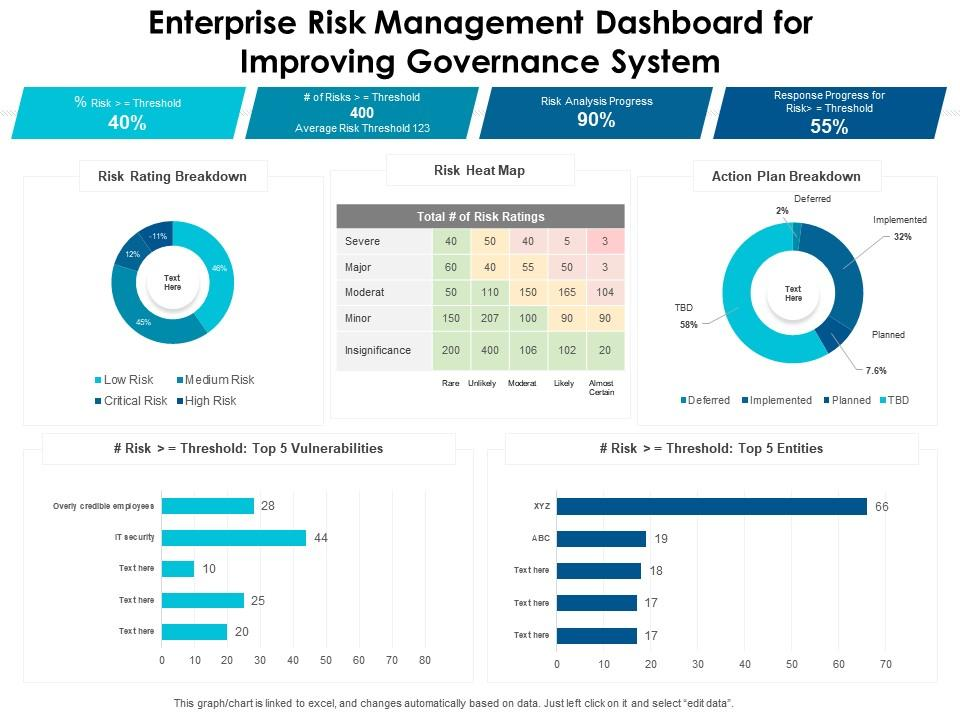
- Centralized risk reporting dashboards
- Data analytics platforms that track operational indicators
- Scenario planning and stress testing
- Clear governance structures involving board oversight
A common first step is implementing enterprise risk management. ERM frameworks help organizations map risk categories across operations—financial, operational, strategic, regulatory, and reputational.
Once these categories are identified, leadership teams can assign risk owners responsible for monitoring indicators within their areas.
Technology also plays a major role. Many enterprises now use integrated risk platforms that combine operational metrics, compliance data, and incident reporting into centralized dashboards. This allows leadership to see potential issues across departments.
The Role of Data and Analytics
Data analytics has become one of the most powerful tools supporting proactive risk control.
Modern risk platforms can analyze large volumes of operational data to detect patterns that human observers might miss.
For example, a financial services firm might analyze transaction anomalies to identify fraud risks earlier. Similarly, an energy company might monitor equipment performance data to detect maintenance issues before they cause shutdowns.
Predictive analytics can also model potential outcomes under different scenarios.
Organizations may simulate:
- Supply chain disruptions
- Market volatility
- Regulatory changes
- Natural disasters
- Cybersecurity breaches
These simulations help companies prepare contingency plans before real-world disruptions occur.
As a result, leadership teams gain better visibility into how different risks could affect long-term strategy.

Practical Examples of Proactive Risk Control
Understanding proactive risk management becomes clearer through real-world applications.
Example 1: Financial Services
Large banks have invested heavily in predictive fraud detection systems. Instead of investigating fraudulent activity after transactions occur, advanced analytics monitor patterns in real time.
If suspicious behavior appears, the system flags transactions immediately. This approach reduces financial losses and protects customers.
Example 2: Healthcare Systems
Hospitals increasingly monitor clinical and operational indicators to prevent medical errors.
Electronic health records can flag potential medication interactions, alerting clinicians before prescriptions are finalized. These preventive alerts help reduce patient safety risks.
Example 3: Manufacturing
Manufacturers often deploy predictive maintenance systems that analyze equipment sensor data.
If machines show early signs of wear, maintenance teams can intervene before equipment fails. This reduces downtime and lowers repair costs.
Example 4: Technology Companies
Technology firms frequently conduct scenario planning exercises to prepare for cybersecurity incidents. These exercises simulate potential attacks, allowing teams to practice response protocols before real threats occur.
Building a Risk-Aware Organizational Culture
Technology and frameworks alone cannot create proactive risk control. Culture plays an equally important role.
Employees across departments must feel responsible for identifying and reporting risks. Without this mindset, early warning signals can easily be overlooked.
Organizations that succeed in proactive risk management often focus on several cultural priorities:
- Encouraging transparent reporting of potential problems
- Training employees to recognize emerging risks
- Aligning risk management with strategic decision-making
- Ensuring leadership actively supports risk oversight
When risk awareness becomes part of daily operations, employees naturally look for ways to prevent issues rather than respond after they occur.
This shift helps organizations maintain resilience even during unexpected events.
Challenges in Implementing Proactive Risk Control
Despite its benefits, implementing proactive risk strategies can be challenging.
Some organizations struggle with fragmented systems, where risk information is scattered across departments. Without centralized visibility, early signals may go unnoticed.
Other companies face cultural resistance. Employees accustomed to reactive approaches may initially view proactive monitoring as unnecessary or burdensome.
Budget constraints can also slow adoption. Building data analytics systems and enterprise risk platforms requires investment.
However, many organizations find that proactive risk management ultimately reduces costs by preventing incidents that could otherwise lead to financial loss, regulatory penalties, or operational disruptions.
What Business Leaders Should Consider
Executives and board members increasingly recognize that risk management must evolve alongside business strategy.
Several considerations help guide this transition:
- Integrating risk oversight into strategic planning
- Investing in analytics and monitoring tools
- Strengthening cross-department communication
- Developing clear governance structures
- Conducting regular scenario planning exercises
When leadership treats risk management as a strategic function rather than a compliance obligation, organizations become better prepared for uncertainty.

Frequently Asked Questions
What is proactive risk control?
Proactive risk control involves identifying potential threats before they cause harm. It relies on monitoring systems, data analysis, and early intervention strategies to reduce the likelihood or impact of adverse events.
How is proactive risk management different from reactive risk management?
Reactive risk management responds after an incident occurs. Proactive risk control focuses on detecting warning signs earlier and preventing issues before they escalate.
Why are companies investing more in proactive risk management?
Organizations face increasingly complex risks involving cybersecurity, supply chains, regulation, and global operations. Proactive strategies help companies maintain resilience and reduce disruptions.
What role does technology play in proactive risk control?
Technology enables continuous monitoring, predictive analytics, automated alerts, and centralized risk reporting. These tools help organizations identify patterns and emerging risks earlier.
What industries benefit most from proactive risk control?
Nearly every industry benefits, but sectors such as financial services, healthcare, manufacturing, technology, and energy often lead adoption due to regulatory requirements and operational complexity.
Is proactive risk management expensive to implement?
Initial investments in technology and training may be required. However, many organizations find the long-term savings from avoided disruptions and regulatory penalties outweigh these costs.
How can companies build a proactive risk culture?
Leadership support, employee training, transparent communication, and clear risk ownership across departments all contribute to a strong risk-aware culture.
What is enterprise risk management (ERM)?
ERM is a structured framework that identifies and manages risks across an entire organization. It helps leadership evaluate how different risks interact and affect strategic objectives.
How often should organizations review their risk strategies?
Many companies conduct annual reviews while continuously monitoring key indicators throughout the year. Major operational or regulatory changes may require additional reviews.
Can small businesses use proactive risk control strategies?
Yes. Even small organizations can benefit from monitoring key operational indicators, conducting scenario planning, and maintaining clear risk response procedures.
Looking Ahead: Risk Control as a Strategic Capability
As business environments grow more interconnected and unpredictable, proactive risk control is becoming an essential capability rather than an optional safeguard. Organizations that invest in early risk detection gain more than protection from disruption—they gain the confidence to pursue innovation while maintaining operational stability.
By combining governance frameworks, data analytics, and a culture of transparency, modern enterprises can transform risk management from a reactive process into a strategic advantage. The shift toward proactive oversight ultimately strengthens resilience, protects stakeholders, and supports long-term growth.
Key Insights at a Glance
- Proactive risk control focuses on preventing problems before they escalate.
- Data analytics and monitoring systems are central to early risk detection.
- Organizations are adopting enterprise risk management frameworks to coordinate oversight.
- Cybersecurity, regulatory expectations, and operational complexity are driving the shift.
- A risk-aware organizational culture is critical for success.