Summary
Risk control used to be a back-office compliance task focused on regulatory checklists. Today, it has become a strategic business function that directly influences growth, resilience, and reputation. Organizations now treat risk control as a core management discipline—guiding decision-making, protecting enterprise value, and enabling companies to navigate cybersecurity threats, operational disruptions, regulatory complexity, and economic volatility.
The Evolution of Risk Control in Modern Organizations
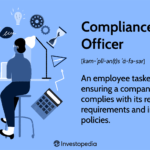
For decades, risk control in many organizations existed primarily to satisfy regulators. Compliance teams monitored policies, ensured documentation was in order, and prepared companies for audits. Their role was important but limited: avoid fines, maintain licenses, and stay within regulatory boundaries.
That model no longer reflects the realities of modern business.
Today’s organizations operate in an environment defined by cyber threats, supply chain fragility, digital transformation, geopolitical tensions, and evolving regulations. These risks are not isolated compliance issues—they directly affect revenue, operations, and long-term strategy.
As a result, companies across industries—from banking and healthcare to manufacturing and technology—are integrating risk control into executive decision-making.
Risk leaders are now expected to help answer strategic questions such as:
- Should the company enter a new market?
- What risks accompany adopting AI or cloud infrastructure?
- How resilient is the supply chain to disruption?
- What financial or reputational exposure could arise from operational failures?
In other words, risk control has shifted from a defensive activity to a strategic discipline.

What “Risk Control” Means in Today’s Business Environment
Risk control refers to the processes, policies, and systems organizations use to identify, assess, mitigate, and monitor potential threats to their objectives.
While compliance remains a critical component, modern risk control now covers a much broader landscape.
Today’s risk programs typically address:
- Operational risk – failures in processes, systems, or human actions
- Cybersecurity risk – data breaches, ransomware, and digital vulnerabilities
- Financial risk – market volatility, liquidity constraints, fraud
- Regulatory risk – evolving laws and compliance obligations
- Reputational risk – public trust and brand damage
- Strategic risk – decisions that could undermine long-term business goals
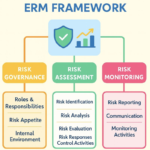
Large enterprises increasingly use Enterprise Risk Management (ERM) frameworks to coordinate these areas. According to the Committee of Sponsoring Organizations of the Treadway Commission (COSO), ERM integrates risk management into strategy-setting and performance management rather than treating it as a compliance afterthought.
This shift reflects a broader recognition: unmanaged risks rarely remain contained within compliance departments—they affect the entire business.
Why Risk Control Has Become a Strategic Priority
Several structural changes in the business landscape have pushed risk control into the executive spotlight.
1. Cybersecurity Threats Affect Every Organization
Cyber risk has become one of the most significant operational threats businesses face.
IBM’s 2023 Cost of a Data Breach Report found that the average global data breach cost reached $4.45 million, the highest on record. For many organizations, a serious cyber incident can halt operations, damage customer trust, and trigger regulatory scrutiny.
Because cyber threats evolve rapidly, risk teams must work closely with IT, security leaders, and executives to manage exposure.
Risk control now involves:
- evaluating cybersecurity posture
- assessing vendor security risks
- planning incident response strategies
- monitoring emerging digital threats
These activities go far beyond compliance checklists.
2. Supply Chain Disruptions Have Real Financial Impact
The COVID-19 pandemic exposed how fragile global supply chains can be. Port closures, factory shutdowns, and transportation delays disrupted industries worldwide.
Companies that lacked structured risk management struggled to respond quickly.
Modern risk control programs help organizations evaluate supply chain resilience by examining:
- supplier concentration risks
- geographic dependencies
- logistics bottlenecks
- alternative sourcing strategies
In manufacturing, retail, and consumer goods sectors, supply chain risk is now considered a board-level concern.
3. Regulators Expect Proactive Risk Management
Regulators increasingly expect organizations to demonstrate active risk oversight rather than basic compliance.
Financial regulators, for example, now evaluate whether institutions maintain strong risk governance frameworks, independent oversight, and stress testing procedures.
Similarly, new regulations in areas like data privacy, ESG reporting, and financial transparency require organizations to monitor risk continuously rather than reacting after problems emerge.
For many companies, this means building formal risk programs that connect compliance, operations, finance, and executive leadership.
4. Reputation Risk Spreads Faster Than Ever
In the era of social media and digital news cycles, reputational damage can spread rapidly.
Operational failures, security breaches, ethical missteps, or regulatory violations often become public within hours. Organizations must be prepared to respond quickly.
Risk control now includes evaluating how operational or compliance failures could escalate into brand crises.
Companies increasingly integrate risk management into communications planning, crisis response protocols, and governance oversight.
How Leading Organizations Structure Risk Control Today
Modern organizations typically organize risk management around a governance model that distributes responsibility across multiple levels of the company.
A widely adopted framework is the “three lines model.”
First Line: Business Operations
Operational teams manage risk directly through internal controls, process oversight, and responsible decision-making. Risk awareness becomes part of daily operations rather than an external review process.
Second Line: Risk and Compliance Functions
Dedicated risk management and compliance teams provide oversight, develop policies, and monitor risk exposure across the organization.
Third Line: Internal Audit
Internal auditors independently evaluate whether risk management processes are functioning effectively.
This structure helps ensure that risk control is integrated throughout the organization rather than isolated within a single department.
Practical Examples of Risk Control as a Strategic Function
Financial Services
Banks and financial institutions have long operated under strict regulatory oversight. But in recent years, risk management has expanded beyond regulatory compliance.
Financial institutions now evaluate risks tied to:
- fintech partnerships
- digital banking infrastructure
- algorithmic decision systems
- third-party vendors
Risk teams often collaborate with product development and technology leaders to ensure new services meet security, operational, and regulatory standards before launch.
Technology Companies
Technology firms face rapidly evolving risks related to data privacy, AI governance, and platform integrity.
Risk professionals frequently work alongside engineering and legal teams to address questions such as:
- How should customer data be protected across global markets?
- What ethical risks arise from AI models?
- What safeguards prevent misuse of digital platforms?
Risk control helps guide product development decisions while protecting user trust.
Healthcare Systems
Healthcare organizations operate in one of the most complex regulatory environments in the United States.
Risk control now covers:
- patient safety oversight
- cybersecurity protection for medical records
- regulatory compliance (HIPAA and others)
- operational continuity for clinical systems
Hospitals and healthcare networks increasingly rely on enterprise risk teams to coordinate these responsibilities.
How Risk Control Supports Better Decision-Making
One of the most significant changes in risk management is its role in guiding strategic decisions.
Instead of simply asking, “Is this compliant?” organizations now ask, “What risks accompany this opportunity—and how can we manage them responsibly?”
Effective risk control enables leadership teams to:
- identify emerging threats early
- evaluate potential financial or operational impacts
- develop contingency plans
- balance innovation with responsible governance
Companies that integrate risk insights into planning often respond more effectively to disruption.
Building a Modern Risk Control Program
Organizations seeking to strengthen their risk management capabilities often focus on several key elements.
1. Executive leadership support
Risk management must be endorsed by senior leadership and the board of directors.
2. Enterprise-wide risk visibility
Companies benefit from centralized systems that track risks across departments rather than isolated spreadsheets.
3. Cross-functional collaboration
Risk control works best when finance, legal, IT, operations, and compliance teams share information regularly.
4. Data-driven risk monitoring
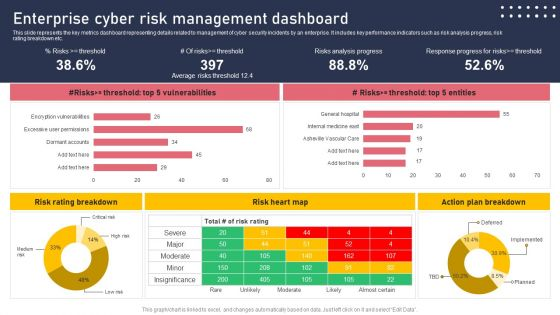
Many organizations now use analytics tools and dashboards to monitor key risk indicators.
5. Continuous improvement
Risk environments change quickly. Effective programs review and adapt controls regularly.
When these elements are in place, risk management becomes a valuable business capability rather than a bureaucratic requirement.
The Business Value of Strong Risk Control
Organizations that treat risk control strategically often experience tangible benefits.
These include:
- Greater operational resilience during disruptions
- Improved regulatory relationships
- Reduced financial losses from unexpected events
- Stronger stakeholder confidence
- Better decision-making at the leadership level
Perhaps most importantly, risk-aware organizations are better prepared to pursue innovation responsibly.
Risk management does not prevent companies from taking risks—it helps them take smarter ones.

Frequently Asked Questions
Why is risk control important for businesses?
Risk control helps organizations identify potential threats and implement safeguards before problems escalate. Effective risk management protects financial stability, operational continuity, and corporate reputation.
How is risk control different from compliance?
Compliance focuses on meeting regulatory requirements. Risk control goes further by identifying and managing operational, strategic, financial, and reputational risks that may not be covered by regulations.
What is enterprise risk management (ERM)?
ERM is a structured approach to identifying and managing risks across an entire organization. It integrates risk oversight into strategic planning and performance management.
Who is responsible for risk management in a company?
Responsibility is shared across the organization. Operational teams manage day-to-day risks, risk and compliance departments provide oversight, and internal audit independently reviews risk controls.
What industries rely most on risk control?
Financial services, healthcare, technology, manufacturing, energy, and government sectors all rely heavily on structured risk management due to regulatory complexity and operational exposure.
How do companies identify business risks?
Organizations typically conduct risk assessments, scenario analyses, operational reviews, and external threat monitoring to identify potential risks.
What role does technology play in risk management?
Modern risk programs use analytics platforms, monitoring dashboards, cybersecurity tools, and automated reporting systems to track risks in real time.
Can strong risk management improve business performance?
Yes. Companies that manage risk effectively often experience fewer operational disruptions, stronger regulatory relationships, and better strategic decision-making.
How often should risk assessments be conducted?
Most organizations perform formal enterprise risk assessments annually, with ongoing monitoring throughout the year.
What is the biggest emerging risk for businesses today?
Cybersecurity threats, supply chain disruptions, and regulatory changes are among the most frequently cited emerging risks for organizations worldwide.
Risk Control as a Foundation for Resilient Leadership
Organizations today face a level of complexity that makes traditional compliance-focused risk management insufficient. Cyber threats evolve rapidly, global supply chains shift unexpectedly, and regulatory expectations continue to expand.
In this environment, risk control has become a core leadership discipline.
Executives who integrate risk insight into strategy can make more informed decisions, anticipate disruptions earlier, and protect long-term enterprise value. Rather than slowing innovation, strong risk governance enables companies to pursue growth while managing uncertainty responsibly.
Essential Insights at a Glance
- Risk control has evolved from compliance oversight into a strategic management function
- Cybersecurity, supply chain disruption, and regulatory complexity drive this shift
- Enterprise risk management integrates risk awareness into leadership decisions
- Strong risk programs improve resilience, governance, and stakeholder confidence
- Modern organizations treat risk management as a core capability, not a regulatory burden