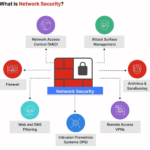
Summary
Effective risk control today goes far beyond compliance checklists. Modern organizations integrate risk awareness into daily operations, leadership decisions, and technology systems. Companies that manage risk well identify threats early, evaluate impact realistically, and build processes that reduce disruption. In an increasingly complex economy, strong risk control protects financial stability, operational continuity, and long-term business credibility.
Why Risk Control Has Become a Core Business Function
For decades, risk control was often treated as a narrow compliance task handled by legal or audit departments. That model no longer reflects today’s business environment. Supply chain disruptions, cybersecurity threats, regulatory changes, and economic volatility have forced organizations to rethink how they manage uncertainty.
According to research from the World Economic Forum, organizations increasingly view risk management as a strategic capability rather than an administrative function. Companies that integrate risk controls into daily decision-making tend to recover faster from disruptions and adapt more effectively to market shifts.
Effective risk control today means anticipating potential problems before they become costly events. It involves understanding operational vulnerabilities, financial exposures, and external threats that could affect long-term performance.
In practice, this shift requires collaboration across departments, from finance and operations to technology and human resources.
What “Risk Control” Actually Means in Modern Organizations
Risk control refers to the processes and systems used to identify, evaluate, and reduce risks that could negatively impact an organization.
However, modern risk control is not about eliminating risk entirely. Every business decision involves uncertainty. Instead, the goal is to ensure that risks are recognized, measured, and managed in proportion to their potential impact.
In many companies today, risk control includes:
- Operational risk monitoring
- Cybersecurity protections
- Regulatory compliance programs
- Financial exposure management
- Supply chain risk evaluation
- Vendor and third-party oversight
- Crisis response planning
The difference between weak and effective risk control is not the absence of risk—it is how quickly and intelligently organizations respond when risk emerges.

The Business Case for Strong Risk Control
Risk control often becomes visible only after something goes wrong. But proactive risk management offers measurable advantages long before a crisis occurs.
Organizations that invest in structured risk control typically see improvements in:
- Operational continuity during disruptions
- Regulatory compliance confidence
- Investor and stakeholder trust
- Financial forecasting stability
- Reputation protection
A 2023 survey by PwC’s Global Risk Survey found that companies with mature risk management programs were significantly more likely to achieve strong financial performance compared with those with fragmented risk oversight.
In other words, risk control is not just defensive—it also supports sustainable growth.
The Core Components of Effective Risk Control
Effective risk control is built on several foundational practices that work together across an organization.
1. Clear Risk Identification
The first step is understanding what risks actually exist.
This process typically involves analyzing:
- Operational processes
- Market and economic trends
- Technology infrastructure
- Legal and regulatory obligations
- Third-party dependencies
Companies often use risk assessments, internal audits, and scenario analysis to identify vulnerabilities before they cause problems.
For example, many logistics firms now conduct supply chain risk mapping to identify where geopolitical or supplier disruptions could interrupt operations.
2. Realistic Risk Evaluation
Not all risks carry the same level of impact. Effective risk control requires evaluating both:
- Likelihood of occurrence
- Potential severity
Many organizations use structured scoring models to prioritize risks that require immediate attention.
For instance, a cybersecurity threat that could expose customer data would typically rank higher than a minor operational inefficiency.
This prioritization ensures resources are focused on the risks that matter most.
3. Preventive Control Systems
Once risks are identified and evaluated, companies establish controls designed to reduce the likelihood or impact of those risks.
Examples include:
- Internal financial controls
- Multi-factor cybersecurity authentication
- Vendor qualification processes
- Safety protocols for operations
- Regulatory compliance monitoring systems
These controls serve as guardrails that reduce the chance of costly incidents.
4. Continuous Monitoring
Risk environments change constantly. Effective organizations treat risk control as an ongoing process rather than a one-time project.
Continuous monitoring may include:
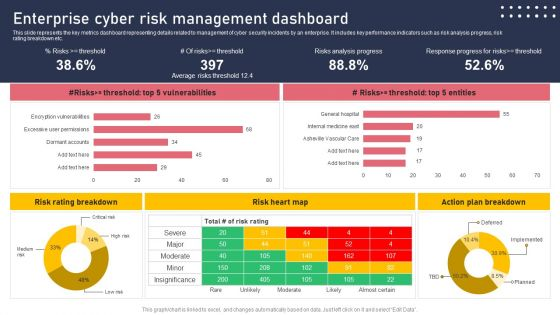
- Real-time data dashboards
- Incident reporting systems
- Internal compliance audits
- Risk performance metrics
Many companies now use advanced analytics to detect anomalies early, allowing them to respond before issues escalate.
5. Clear Response Planning
Even the best controls cannot eliminate every risk. What separates resilient organizations is how quickly they respond when problems arise.
Effective risk control frameworks include:
- Crisis management procedures
- Incident response teams
- Communication protocols
- Recovery planning
For example, many financial institutions maintain detailed contingency plans to ensure critical services remain operational during system failures or market disruptions.
Real-World Examples of Risk Control in Action
Understanding risk control becomes easier when viewed through practical examples.
Supply Chain Risk Management
During the COVID-19 pandemic, companies with diversified suppliers and contingency inventory strategies were able to continue operations while others faced severe shortages.
Many manufacturers have since expanded risk control practices by:
- Using supplier risk scoring systems
- Monitoring geopolitical developments
- Creating regional supply alternatives
These strategies reduce reliance on single points of failure.
Cybersecurity Risk Controls
Cybersecurity is now one of the most critical areas of risk control.
According to IBM’s Cost of a Data Breach Report, the average cost of a data breach in the United States exceeded $9 million in recent years, highlighting the financial impact of weak controls.
Companies increasingly use layered protections such as:
- Endpoint monitoring tools
- Employee phishing awareness training
- Security incident response plans
- Data encryption standards
These controls help reduce both the likelihood and severity of cyber incidents.
Financial Risk Controls
Financial institutions have long relied on structured risk control systems to prevent fraud and ensure regulatory compliance.
Typical financial risk controls include:
- Segregation of duties in financial processes
- Transaction monitoring systems
- Independent internal audits
- Capital risk modeling
These systems protect both customers and institutions from operational breakdowns.
How Technology Is Transforming Risk Control
Technology has significantly expanded the capabilities of modern risk management.
Organizations increasingly rely on digital tools that allow faster detection and response to emerging risks.
Some of the most important technologies shaping risk control include:
- Predictive analytics for identifying operational anomalies
- AI-driven fraud detection systems
- Cybersecurity monitoring platforms
- Enterprise risk management software
- Automated compliance tracking tools
These systems provide leadership teams with real-time visibility into risks that previously took weeks or months to identify.
However, technology alone is not enough. Effective risk control still requires strong leadership oversight and clear accountability.
Leadership’s Role in Risk Control
Risk control works best when it is supported by senior leadership.
Executives and board members set the tone for how seriously risk awareness is treated throughout the organization.
Companies with strong risk cultures typically emphasize:
- Transparent reporting of potential problems
- Cross-department collaboration
- Accountability for risk ownership
- Continuous learning from past incidents
When leadership encourages open discussion about risk rather than punishing early reporting, organizations detect problems sooner.
Common Mistakes That Undermine Risk Control
Despite growing awareness of risk management, many organizations still struggle with implementation.
Some of the most common challenges include:
- Treating risk management purely as a compliance exercise
- Siloed departments that do not share information
- Outdated risk assessment processes
- Insufficient monitoring of third-party vendors
- Lack of executive involvement
These gaps can create blind spots that only become visible during a crisis.
Frequently Asked Questions
What is the difference between risk management and risk control?
Risk management is the overall strategy for identifying and addressing risk, while risk control refers to the specific measures used to reduce or mitigate those risks.
Why is risk control important for businesses?
Risk control helps organizations prevent financial losses, maintain regulatory compliance, protect reputation, and ensure operational stability.
What industries rely most heavily on risk control?
Financial services, healthcare, manufacturing, energy, and technology sectors often require extensive risk control systems due to regulatory requirements and operational complexity.
How do companies identify business risks?
Businesses use risk assessments, audits, data analysis, and scenario planning to identify vulnerabilities across operations, finance, and technology.
What role does technology play in risk control?
Technology enables real-time monitoring, predictive analytics, and automated reporting, which significantly improves early detection of emerging risks.
Can small businesses implement effective risk control?
Yes. Even small organizations can implement basic risk controls such as financial oversight procedures, cybersecurity protections, and contingency planning.
What is operational risk control?
Operational risk control focuses on preventing failures in internal processes, systems, or human actions that could disrupt business operations.
How often should risk assessments be conducted?
Most organizations conduct formal risk assessments annually, while monitoring systems track emerging risks continuously.
Who is responsible for risk control in a company?
Risk control is typically shared between executive leadership, risk management teams, internal auditors, and department managers.
What is a risk control framework?
A risk control framework is a structured system that outlines how risks are identified, evaluated, monitored, and addressed across an organization.
Building Resilience Through Everyday Risk Awareness
The most effective risk control systems are not built overnight. They develop gradually through disciplined processes, leadership commitment, and continuous learning.
Organizations that view risk control as part of daily decision-making—rather than a periodic audit requirement—tend to adapt more successfully to changing conditions.
In today’s interconnected economy, where operational disruptions can emerge quickly and spread widely, strong risk control has become a defining characteristic of resilient organizations.
Key Insights at a Glance
- Risk control has evolved from compliance oversight to a strategic business function
- Effective programs focus on identifying, evaluating, and monitoring risks continuously
- Technology now plays a major role in early detection and analysis
- Leadership engagement strengthens risk culture across organizations
- Real-world disruptions highlight the value of proactive risk planning
- Strong risk control improves operational stability and stakeholder trust