Summary
Unexpected disruptions—from cyber incidents to supply chain failures—can derail even well-run organizations. Smarter risk control helps businesses anticipate potential threats, reduce uncertainty, and respond effectively when problems arise. By combining strong governance, better data, and practical planning, companies can protect operations, maintain stability, and build long-term resilience in an increasingly complex and unpredictable business environment.
Why Risk Control Matters More Than Ever
Organizations in the United States operate in a landscape defined by constant change. Global supply chains, digital transformation, regulatory pressure, and evolving consumer expectations have introduced new vulnerabilities that didn’t exist a decade ago.
Risk control is the structured process organizations use to identify, assess, mitigate, and monitor potential threats to operations, finances, reputation, and people. When done well, it becomes more than a compliance exercise—it becomes a strategic capability.
Recent research underscores its growing importance. According to a 2024 survey from Deloitte, more than 60% of corporate leaders report that risk events are occurring more frequently and with greater impact. Meanwhile, IBM’s Cost of a Data Breach Report found that the average U.S. data breach cost reached $9.48 million, the highest in the world.
These realities highlight a simple truth: the unexpected is not rare anymore. It is part of doing business.
Organizations that invest in smarter risk control frameworks are better equipped to absorb shocks and continue operating even under difficult conditions.

Understanding What “Smarter” Risk Control Looks Like
Traditional risk control often focused on documentation and regulatory checklists. While compliance remains essential, modern organizations recognize that effective risk control requires proactive insight, cross-department collaboration, and continuous monitoring.
Smarter risk control typically includes several key characteristics:
- Early identification of emerging risks
- Data-driven decision making
- Integration with operational planning
- Scenario analysis and stress testing
- Clear accountability across leadership teams
Rather than reacting to crises, companies with strong risk programs anticipate potential disruptions and prepare practical responses.
For example, many large retailers now run supply chain simulation models that test how disruptions—such as port closures or weather events—could affect inventory levels. These exercises allow leaders to build contingency plans before problems occur.
Common Unexpected Events Businesses Must Prepare For
Risk control becomes most valuable when organizations examine the full range of potential disruptions they might face. While risks vary by industry, several categories affect nearly every business.
Operational Disruptions
Operational risks involve events that interrupt normal business functions.
Examples include:
- Supply chain interruptions
- Equipment failures
- IT outages
- Workforce shortages
A manufacturing company, for instance, may depend on specialized components from a single overseas supplier. Without contingency planning, a shipping delay could halt production entirely.
Cybersecurity Threats
Cyber risk has become one of the most urgent concerns for U.S. organizations.
Threats include:
- Ransomware attacks
- Data breaches
- Phishing campaigns
- Insider threats
Smarter risk control means integrating cybersecurity practices into overall enterprise risk management rather than treating them as isolated technical issues.
Regulatory and Compliance Changes
Government regulations evolve regularly across industries such as finance, healthcare, energy, and technology. Companies must monitor these changes carefully to avoid penalties or operational disruption.
For example, evolving privacy regulations and data protection laws have significantly expanded compliance responsibilities for many organizations.
Financial and Market Volatility
Economic uncertainty can affect revenue, liquidity, and long-term investment plans. Interest rate changes, inflation shifts, and sudden demand fluctuations can challenge even stable companies.
Risk control teams increasingly run financial stress tests to understand how downturn scenarios could affect the organization.
Building a Practical Risk Control Framework
Strong risk control does not require overly complex systems. Instead, it depends on a clear structure supported by leadership and integrated into daily operations.
A typical framework includes four key stages.
1. Risk Identification
Organizations begin by mapping potential risks across all areas of the business.
This often involves:
- Department-level risk workshops
- Operational audits
- Industry benchmarking
- Analysis of historical incidents
For example, a logistics company might identify weather disruptions, fuel price volatility, and driver shortages as primary risks.
2. Risk Assessment
Once risks are identified, organizations evaluate them based on likelihood and potential impact.
Many companies use risk matrices that categorize threats from low to severe. This process helps leadership focus attention on the most critical vulnerabilities.
3. Risk Mitigation
Mitigation strategies reduce the probability or consequences of risk events.
Common approaches include:
- Redundant suppliers
- Backup IT systems
- Insurance coverage
- Internal controls and approval procedures
For instance, financial institutions often implement segregation of duties in transaction approvals to reduce fraud risk.
4. Continuous Monitoring
Risk management does not end after controls are implemented. Monitoring systems ensure risks remain under control as conditions change.
This stage may include:
- Real-time dashboards
- Internal audits
- key risk indicators (KRIs)
- leadership review meetings
Organizations that treat risk monitoring as an ongoing activity are more likely to detect emerging problems early.
How Data and Technology Improve Risk Control
Digital tools are transforming how companies detect and manage risks.
Modern risk control systems often integrate data from multiple business functions—including finance, cybersecurity, operations, and compliance—into centralized platforms.
These technologies help organizations:
- Identify patterns in operational failures
- Detect unusual financial transactions
- Monitor cybersecurity threats in real time
- Analyze supply chain vulnerabilities
Artificial intelligence and machine learning are also being used to predict emerging risks. For example, predictive analytics can analyze supplier data and global events to forecast potential disruptions.
However, technology alone is not enough. Successful programs combine data insights with experienced human judgment.
The Role of Leadership in Effective Risk Control
Strong risk control begins at the top of the organization.
Executives and board members increasingly recognize that risk oversight is part of their core responsibilities. According to the National Association of Corporate Directors, board discussions about enterprise risk management have grown significantly in the past decade.
Leadership plays several critical roles:
- Establishing risk governance policies
- Setting acceptable risk tolerance levels
- Allocating resources for mitigation efforts
- Encouraging transparency when problems arise
When leadership supports open reporting, employees are more likely to raise concerns early—before small issues become major crises.
Real-World Examples of Risk Control in Action
Practical examples illustrate how risk control protects organizations during unexpected events.
Example: Supply Chain Diversification
During the COVID-19 pandemic, companies that relied heavily on single suppliers experienced severe disruptions.
In contrast, organizations with diversified supplier networks were able to shift orders to alternative vendors and maintain operations. This approach—known as multi-sourcing—has since become a common risk mitigation strategy.
Example: Cybersecurity Preparedness
A regional healthcare provider implemented proactive risk controls after conducting a cybersecurity risk assessment.
The organization introduced:
- Employee phishing training
- network monitoring systems
- incident response protocols
When a ransomware attempt occurred months later, the IT team isolated the threat quickly and avoided system shutdowns.
Example: Financial Stress Planning
Large financial institutions routinely run stress tests simulating severe economic downturns.
These exercises allow banks to adjust capital reserves and lending strategies before economic conditions deteriorate.
How Risk Control Supports Business Resilience
Resilience refers to an organization’s ability to adapt, recover, and continue operating despite disruptions.
Risk control contributes to resilience in several ways.
First, it encourages organizations to think proactively about potential vulnerabilities rather than reacting after problems occur.
Second, it improves coordination across departments. When risk management teams collaborate with operations, finance, and IT, the organization develops a clearer understanding of interconnected risks.
Third, it creates a culture of preparedness. Employees become more aware of potential threats and better equipped to respond when incidents arise.
Over time, this preparation strengthens operational stability and protects long-term growth.
Practical Steps Organizations Can Take Today
Organizations looking to improve risk control do not need to overhaul everything at once. Many meaningful improvements start with simple actions.
Consider these practical steps:
- Conduct a company-wide risk assessment workshop annually
- Document the top ten operational risks facing the organization
- Develop incident response plans for high-impact scenarios
- Establish clear communication channels for reporting risks
- Invest in basic cybersecurity training for employees
- Regularly review supplier and vendor dependencies
- Create a cross-department risk committee
Even modest improvements in risk awareness and planning can significantly reduce vulnerability.
Frequently Asked Questions
What is risk control in business?
Risk control refers to the policies, procedures, and strategies organizations use to identify, evaluate, and reduce potential threats to operations, finances, and reputation.
How does risk control differ from risk management?
Risk management is the broader process of identifying and assessing risks, while risk control focuses specifically on implementing measures that reduce or mitigate those risks.
Why is risk control important for small businesses?
Small businesses often have fewer resources to absorb unexpected disruptions. Strong risk control helps protect operations, maintain cash flow, and avoid costly incidents.
What are examples of risk control measures?
Examples include internal financial controls, cybersecurity systems, supplier diversification, insurance coverage, and emergency response plans.
How often should organizations review their risk controls?
Most experts recommend reviewing risk controls at least annually, with additional reviews after major operational changes or incidents.
What industries rely most on risk control?
Highly regulated sectors such as finance, healthcare, energy, and aviation depend heavily on structured risk control programs, though all industries benefit from them.
How does technology improve risk control?
Technology enables real-time monitoring, predictive analytics, automated reporting, and centralized risk dashboards that improve visibility across the organization.
Who is responsible for risk control within a company?
Responsibility typically spans multiple levels, including executives, risk management teams, internal auditors, department leaders, and employees.
Can risk control prevent all unexpected events?
No. Risk control cannot eliminate every risk, but it can reduce the likelihood and impact of disruptions.
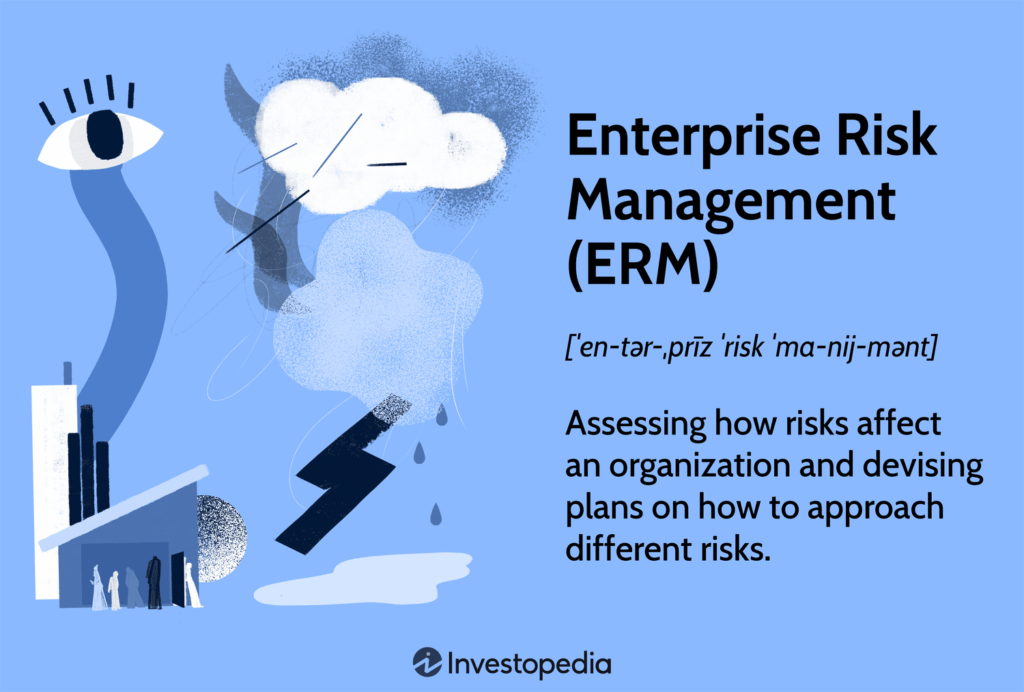
What is enterprise risk management (ERM)?
ERM is a comprehensive framework that integrates risk management across the entire organization, aligning risk oversight with strategic decision-making.
Preparing for Tomorrow’s Uncertainty
Organizations cannot predict every disruption, but they can prepare thoughtfully. Smarter risk control provides a structured way to anticipate threats, strengthen operational stability, and respond effectively when challenges arise.
Companies that invest in risk awareness, data insights, and proactive planning are far better positioned to navigate uncertainty while continuing to serve customers, employees, and stakeholders.
In an increasingly complex business environment, preparedness is not simply defensive—it is a strategic advantage.
Key Ideas at a Glance
- Risk control helps organizations anticipate and manage unexpected disruptions
- Modern risk programs rely on data, collaboration, and continuous monitoring
- Common threats include cybersecurity attacks, operational failures, and market volatility
- Leadership involvement is essential for effective risk governance
- Real-world examples show how proactive planning reduces business disruption
- Even simple improvements can significantly strengthen resilience