Summary
Modern organizations are shifting from traditional, reactive risk management toward proactive, data-driven risk control strategies. Advances in technology, regulatory pressures, cyber threats, and global uncertainty are pushing companies to integrate risk control into everyday operations. Forward-thinking organizations now treat risk management as a strategic capability—combining analytics, cross-functional collaboration, and real-time monitoring to improve resilience, compliance, and decision-making.
How Modern Organizations Are Rethinking Risk Control Strategies
For decades, risk control inside many organizations followed a predictable pattern: identify threats, implement policies, review incidents, and adjust procedures. While this approach worked in relatively stable environments, today’s organizations operate in a landscape defined by rapid technological change, geopolitical uncertainty, regulatory complexity, and increasingly sophisticated cyber threats.
As a result, businesses are fundamentally rethinking how they approach risk control strategies. Rather than viewing risk management as a compliance requirement or a defensive function, modern organizations increasingly treat it as a strategic capability—one that influences operational decisions, innovation, and long-term growth.
From Fortune 500 companies to mid-sized enterprises and public institutions, leaders are adopting integrated frameworks that combine technology, data analytics, and cross-department collaboration. The goal is not simply to reduce exposure to risk but to build resilient systems capable of anticipating disruptions before they escalate.
Why Traditional Risk Control Models Are Becoming Obsolete
Traditional risk control systems were designed for predictable environments. Many relied heavily on periodic audits, static policies, and manual reporting processes. In an era of slow-moving threats, that model often sufficed.
Today, however, risks evolve far faster than traditional governance processes can keep up.
Cybersecurity incidents, supply chain disruptions, regulatory shifts, and reputational crises can develop within hours. According to research from the World Economic Forum, cybercrime alone is expected to cost the global economy trillions annually, making it one of the fastest-growing categories of organizational risk.
Modern organizations recognize that waiting for quarterly reviews or annual audits is no longer adequate. Instead, they are investing in dynamic risk control systems that operate continuously.
Several factors are accelerating this transition:
- Digital transformation across nearly every industry
- Increased regulatory scrutiny across financial, healthcare, and technology sectors
- Growing cybersecurity threats targeting both large enterprises and small businesses
- Global supply chain interdependence
- Rising stakeholder expectations around governance and transparency
These forces have pushed risk management from the compliance office into the boardroom.
Integrating Risk Control Into Daily Operations
One of the most significant shifts in modern risk management is the move toward operational integration.
In the past, risk control often lived inside specialized departments such as compliance, legal, or internal audit. Today, organizations increasingly embed risk awareness across all operational functions—from finance and IT to human resources and procurement.
This integrated approach creates faster detection and response capabilities.
For example, a large retail company might integrate risk monitoring into its supply chain management system. If shipping delays or supplier disruptions occur, alerts trigger automated risk assessments that help leaders adjust logistics strategies before shortages affect customers.
Similarly, financial institutions now embed fraud detection algorithms directly into transaction processing platforms, allowing potential threats to be flagged in real time.
Organizations implementing operational risk integration typically focus on several key areas:
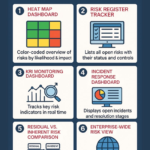
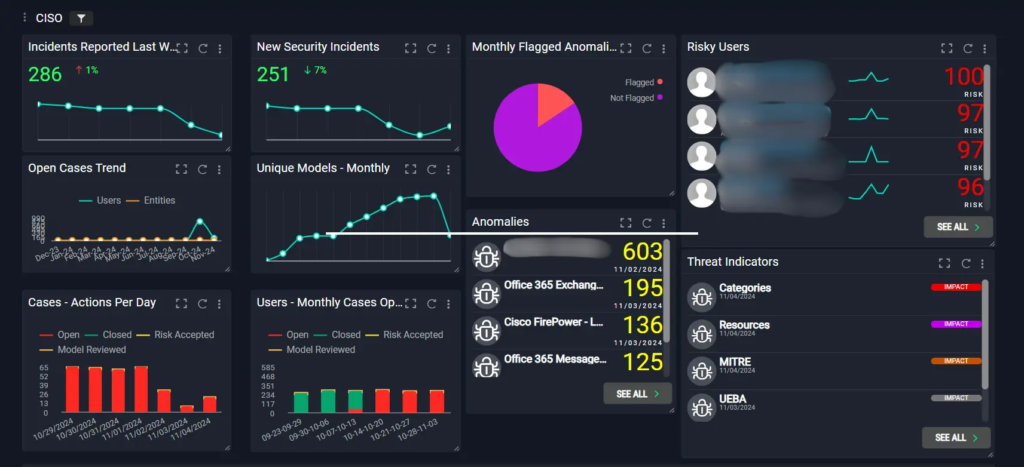
- Real-time risk monitoring dashboards
- Automated risk alerts and incident tracking
- Cross-department risk ownership
- Risk-aware decision frameworks for leadership teams
- Integration of risk data into enterprise software systems
This approach shifts risk control from a reactive process to a proactive operational capability.
The Rise of Data-Driven Risk Intelligence
Data analytics has become one of the most transformative tools in modern risk control strategies.
Advanced analytics platforms now allow organizations to analyze massive datasets across operations, finance, cybersecurity, and supply chains. Instead of relying solely on historical incident reports, risk teams can detect patterns and emerging threats early.
For example, financial services firms frequently use machine learning models to detect anomalies in transaction behavior—helping prevent fraud before it escalates. In manufacturing, predictive analytics tools monitor equipment performance to identify maintenance risks before failures occur.
Data-driven risk intelligence enables organizations to:
- Detect anomalies in operational patterns
- Identify early warning signals for disruptions
- Model potential risk scenarios
- Quantify risk exposure more accurately
- Support faster executive decision-making
According to McKinsey & Company, organizations that leverage advanced analytics for risk management often reduce operational losses and improve compliance outcomes while gaining better visibility into emerging threats.
The shift toward data-driven risk intelligence also improves collaboration between departments that historically operated in silos.
Cybersecurity as a Core Risk Control Priority
Few categories of risk have evolved as rapidly as cybersecurity.
In many organizations, cyber threats were once considered primarily an IT issue. Today they represent one of the most significant enterprise-wide risks—affecting operations, legal exposure, customer trust, and brand reputation.
Modern risk control strategies therefore place cybersecurity at the center of enterprise risk management frameworks.
Organizations are increasingly implementing security strategies that combine:
- Continuous threat monitoring
- Zero-trust security architectures
- Employee cybersecurity training
- Third-party vendor risk assessments
- Incident response simulations
A common example involves healthcare providers. Hospitals now maintain integrated cybersecurity command centers that monitor networks, medical devices, and patient data systems simultaneously. This allows security teams to detect potential breaches quickly while minimizing disruption to critical care services.
Cyber risk management is no longer isolated within IT departments; it is now a strategic priority for executive leadership and corporate boards.
Building Organizational Resilience
Another key shift in risk control thinking involves the concept of resilience.
Rather than attempting to eliminate all risks—an impossible task—modern organizations focus on building systems capable of withstanding disruptions and recovering quickly.
Business resilience planning includes several elements:
- Scenario planning for major disruptions
- Crisis response protocols
- Redundant systems and infrastructure
- Supply chain diversification
- Cross-trained personnel and leadership continuity plans
The COVID-19 pandemic highlighted the importance of resilience planning. Organizations with diversified supply chains and remote-work infrastructure adapted far more quickly than those dependent on rigid operational models.
Resilience strategies also help organizations respond effectively to unexpected events such as natural disasters, regulatory changes, or reputational crises.
Forward-thinking companies increasingly conduct stress testing exercises that simulate high-impact events to evaluate how well systems and leadership teams respond under pressure.

The Growing Role of Risk Culture
Even the most advanced risk control systems can fail if employees do not understand or support them. For this reason, many organizations are focusing on cultivating a risk-aware culture.
Risk culture refers to how employees perceive, communicate, and respond to potential threats within their roles.
In companies with strong risk cultures, employees feel comfortable raising concerns early—before small issues evolve into serious problems.
Organizations are strengthening risk culture through initiatives such as:
- Regular risk awareness training
- Leadership communication about risk priorities
- Clear reporting channels for incidents and concerns
- Incentives that reward responsible decision-making
- Integration of risk considerations into performance evaluations
Large technology companies, for example, often conduct internal “risk scenario workshops” where teams discuss hypothetical situations involving data privacy breaches or operational failures. These exercises help employees understand how risk management connects to their daily responsibilities.
A healthy risk culture ensures that risk control strategies are supported by the entire organization—not just compliance departments.
Regulatory Pressure and Governance Expectations
Regulatory requirements have also played a major role in shaping modern risk control strategies.
In sectors such as banking, healthcare, insurance, and energy, regulatory bodies increasingly expect organizations to maintain robust enterprise risk management frameworks. Boards of directors are often required to demonstrate oversight of risk policies and controls.
For example, financial institutions must comply with complex frameworks governing capital requirements, cybersecurity protections, and consumer data privacy.
These regulatory expectations are pushing organizations to adopt more sophisticated risk governance structures that include:
- Board-level risk committees
- Independent risk oversight functions
- Formal risk appetite frameworks
- Comprehensive documentation of risk controls
While regulatory compliance remains essential, many organizations now see these frameworks as opportunities to strengthen strategic decision-making rather than simply satisfy oversight requirements.
Technology Platforms Transforming Risk Control
Technology has become the backbone of modern risk management.
Enterprise risk management platforms now allow organizations to centralize risk data, automate reporting processes, and track incidents across multiple departments.
These platforms often integrate with other enterprise systems such as:
- Enterprise resource planning (ERP) platforms
- Customer relationship management (CRM) systems
- Cybersecurity monitoring tools
- Supply chain management software
The result is a unified view of risk exposure across the entire organization.
Automation also reduces the administrative burden associated with risk reporting and compliance documentation. Instead of relying on spreadsheets and manual processes, risk teams can focus on strategic analysis and scenario planning.
As artificial intelligence tools continue to evolve, many organizations are exploring AI-driven risk forecasting models capable of identifying emerging threats before they become operational crises.
Frequently Asked Questions
What is a risk control strategy in business?
A risk control strategy refers to the policies, systems, and processes organizations use to identify, monitor, and reduce potential threats to operations, finances, or reputation.
Why are companies rethinking risk management today?
Rapid technological change, cybersecurity threats, global supply chain complexity, and stricter regulations have made traditional risk management models insufficient for modern organizations.
How does technology improve risk control?
Technology enables real-time monitoring, predictive analytics, automated reporting, and centralized risk data management—allowing organizations to detect threats earlier and respond faster.
What role does leadership play in risk control?
Executive leadership and boards set risk appetite, oversee governance structures, and ensure that risk considerations are integrated into strategic decisions.
What is enterprise risk management (ERM)?
Enterprise risk management is a comprehensive framework that evaluates risks across all parts of an organization rather than treating them as isolated issues.
How does risk culture affect organizational performance?
A strong risk culture encourages employees to identify and communicate potential problems early, reducing the likelihood of major incidents.
What industries prioritize risk control the most?
Highly regulated sectors such as finance, healthcare, energy, and aviation typically maintain the most advanced risk control frameworks.
How do companies prepare for unexpected disruptions?
Many organizations conduct scenario planning exercises and stress tests to simulate crises and evaluate how systems and leadership teams respond.
What is the difference between risk management and risk control?
Risk management is the overall strategy for identifying and evaluating threats, while risk control focuses on specific actions taken to reduce or mitigate those risks.
Can small businesses benefit from advanced risk control strategies?
Yes. Even smaller organizations can improve resilience through cybersecurity planning, supplier diversification, and basic risk monitoring tools.
A Strategic Shift Toward Intelligent Risk Leadership
The most successful organizations no longer treat risk control as a bureaucratic requirement. Instead, they view it as a strategic advantage that supports smarter decision-making and long-term resilience.
By integrating analytics, strengthening governance, investing in technology, and cultivating risk-aware cultures, modern organizations are building systems capable of navigating an increasingly uncertain world.
Those that adapt early will be better positioned to protect their operations, maintain stakeholder trust, and respond effectively when disruption inevitably occurs.
Key Insights for Decision-Makers
- Traditional risk management models are too slow for modern threats
- Data analytics and automation are transforming risk detection
- Cybersecurity has become a core enterprise risk priority
- Organizational resilience planning is now essential
- Strong risk culture improves early detection of threats
- Regulatory expectations continue to raise governance standards