Summary
Leading companies grow not by avoiding risk but by managing it intelligently. The most successful firms balance opportunity with disciplined risk control through structured decision frameworks, strong governance, real-time data, and clear accountability. This article explains how organizations pursue growth while protecting capital, reputation, and long-term stability—using proven practices adopted by top global companies.
Why Opportunity and Risk Are Inseparable in Business
Every strategic opportunity carries risk. Launching a new product, expanding internationally, investing in technology, or acquiring a competitor all involve uncertainty. Firms that attempt to eliminate risk entirely often stagnate, while those that ignore it can suffer catastrophic losses.
Modern business leaders therefore focus on risk management that enables growth rather than blocking it.
According to research from the Deloitte Global Risk Management Survey, organizations with mature risk management programs report significantly higher confidence in strategic decision-making and stronger financial resilience during market disruptions.
The key insight is simple: risk control is not about avoidance—it is about informed decision-making.
Leading firms approach risk through three integrated perspectives:
- Strategic risk — uncertainties tied to major decisions such as market entry or acquisitions
- Operational risk — risks linked to systems, processes, or human error
- Financial risk — exposure to liquidity shortages, debt, currency fluctuations, or market volatility
By addressing these areas simultaneously, firms create a structure where opportunity and risk management work together.
The Strategic Framework: Risk-Informed Decision Making
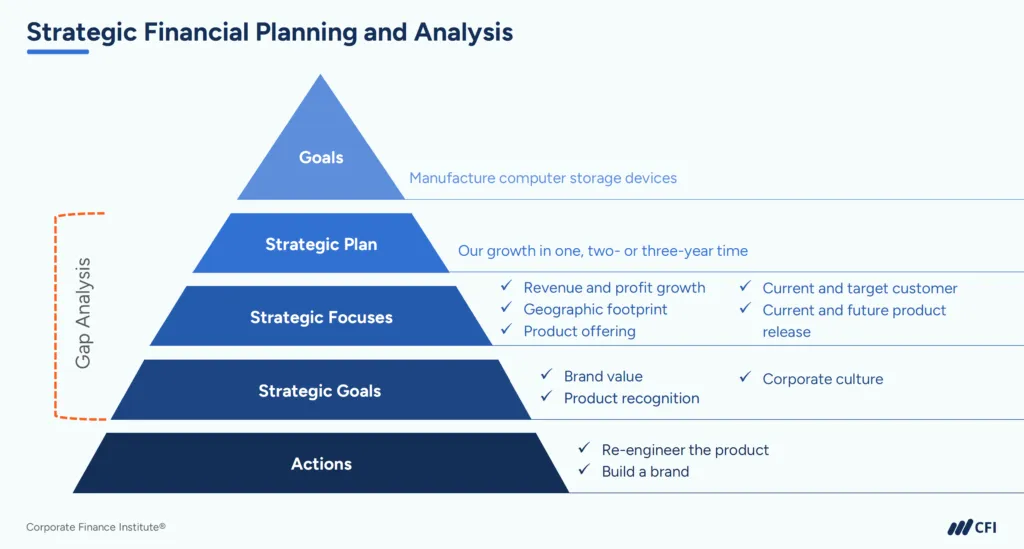
Top organizations embed risk assessment directly into their strategic planning processes rather than treating it as an afterthought.
Before approving major initiatives, executives typically ask several core questions:
- What is the potential upside of the opportunity?
- What could realistically go wrong?
- How severe would the downside be?
- What safeguards reduce the risk?
For example, when Amazon entered cloud computing with Amazon Web Services, leadership recognized both the massive potential and the operational complexity involved. The company invested heavily in infrastructure redundancy, cybersecurity, and global compliance before scaling the platform.
The result was not just innovation but controlled expansion.
Many firms now use formal frameworks such as:
- Enterprise Risk Management (ERM)
- Scenario planning models
- Stress testing for financial exposure
Organizations following the Committee of Sponsoring Organizations of the Treadway Commission (COSO) ERM framework systematically integrate risk awareness into governance, strategy, and performance management.
The goal is to ensure that risk analysis informs growth rather than discouraging it.
Governance Structures That Protect Decision Quality
Strong risk control requires clear accountability at every level of an organization.
Leading firms establish governance systems that define who evaluates, approves, and monitors risk exposure.
In many companies, this structure includes:
- Board-level risk committees
- Chief Risk Officers (CROs)
- Internal audit teams
- Independent compliance functions
For example, global banks must comply with regulatory frameworks developed after the Global Financial Crisis. These reforms emphasize stronger capital requirements and rigorous oversight to prevent systemic failures.
Even outside financial services, governance structures help companies maintain disciplined decision-making during periods of rapid growth.
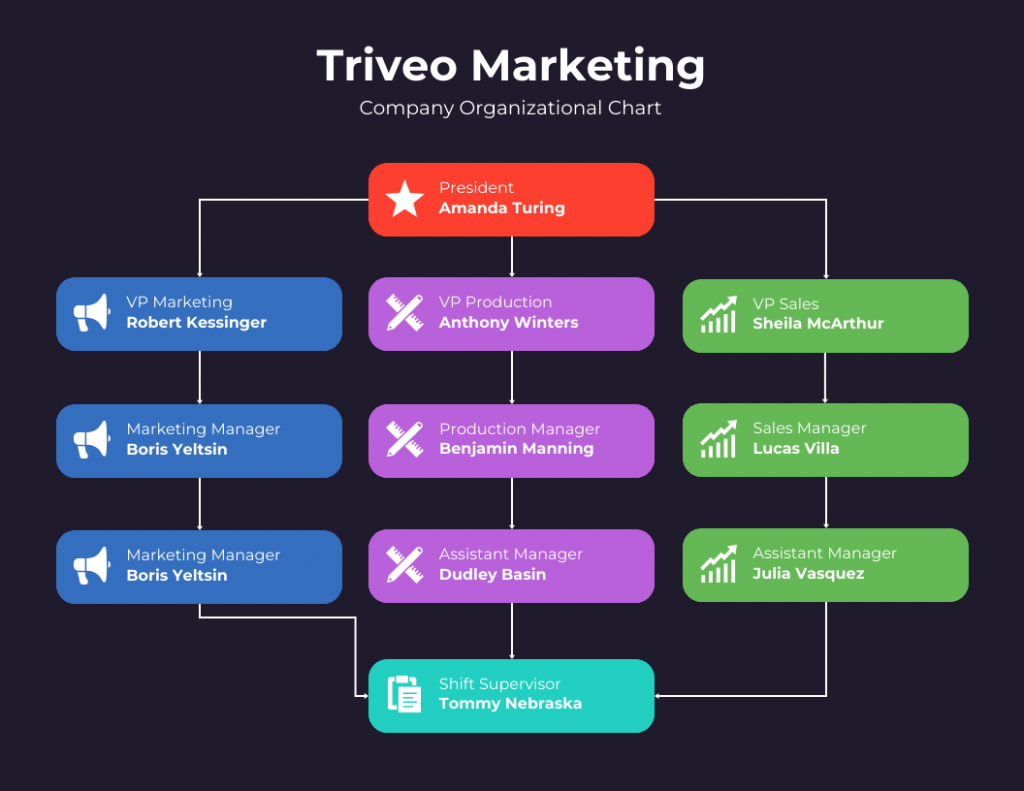
A common governance model includes:
Three Lines of Defense
- Operational management – responsible for day-to-day risk awareness
- Risk and compliance teams – independent oversight and policy enforcement
- Internal audit – verification and review of risk controls
This layered approach prevents unchecked risk accumulation.
Data-Driven Risk Monitoring in Modern Organizations
Risk management has become far more sophisticated due to advances in data analytics.
Companies now monitor risks in real time using technology platforms that track financial exposure, cybersecurity threats, supply chain disruptions, and regulatory changes.
For instance, firms increasingly deploy predictive analytics to identify early warning signals such as:
- unusual transaction patterns
- supply chain delays
- customer behavior shifts
- market volatility indicators
According to research from McKinsey & Company, organizations that integrate advanced analytics into risk monitoring reduce operational losses significantly and detect potential threats earlier.
Technology also improves transparency across large organizations where information historically moved slowly.
Dashboards and automated alerts allow executives to quickly assess the health of critical operations and intervene when necessary.
Balancing Innovation With Risk Discipline
Innovation often creates tension with risk management. New ideas require experimentation, but experimentation introduces uncertainty.
Leading companies address this challenge by structuring experimentation safely.
For example, Google encourages innovation through controlled testing environments, including limited product rollouts and pilot programs before global launches.
This approach offers two advantages:
- Opportunities can be tested quickly.
- Failures occur on a smaller scale.
Many organizations apply similar models using:
- pilot markets
- A/B testing
- controlled product launches
- incremental scaling
These practices allow firms to pursue bold ideas while limiting financial exposure.
Culture: The Hidden Driver of Effective Risk Management
Policies and systems alone cannot ensure effective risk control. Organizational culture plays a decisive role.
Employees must feel comfortable reporting concerns and challenging risky decisions.
Companies that discourage dissent often miss warning signals that appear early in operational processes.
The most resilient organizations promote a culture built on:
- transparency
- ethical decision-making
- accountability
- open communication
For instance, firms influenced by governance reforms such as the Sarbanes‑Oxley Act strengthened internal reporting systems that allow employees to report concerns anonymously.
These whistleblower protections reduce the likelihood that small issues escalate into major crises.
Real-World Examples of Opportunity Balanced With Risk Control
Examining how major companies navigate risk illustrates these principles in practice.
Financial Services
After the 2008 financial crisis, banks dramatically expanded their risk infrastructure. Institutions now conduct extensive stress tests to ensure they can withstand severe economic downturns.
Regulators such as the Federal Reserve require major banks to model worst-case economic scenarios before approving capital distribution plans.
This discipline limits systemic risk while still allowing banks to pursue lending growth.
Technology
Technology companies frequently take aggressive strategic bets, but they offset these moves with strong operational risk management.
For instance, cloud infrastructure providers maintain geographically distributed data centers to ensure redundancy during outages or cyberattacks.
Manufacturing and Supply Chains
Global manufacturers learned valuable lessons during the COVID‑19 Pandemic, which disrupted supply chains worldwide.
Companies now diversify suppliers, build strategic inventory buffers, and monitor logistics risks more closely.
These changes help firms maintain production even during global disruptions.
Practical Methods Firms Use to Control Risk
Across industries, several practical techniques consistently appear in successful risk management programs.
Common approaches include:
- Risk registers documenting key exposures across the organization
- Scenario analysis modeling potential economic or operational shocks
- Internal controls governing financial transactions and approvals
- Regular audits verifying compliance with policies
- Crisis response plans outlining procedures during emergencies
In addition, many companies conduct post-incident reviews to learn from operational failures.
This continuous improvement process strengthens long-term resilience.
Why Balanced Risk Management Supports Long-Term Growth
Firms that integrate opportunity and risk control tend to outperform peers over long periods.
The reasons are straightforward:
- They avoid catastrophic losses.
- They allocate capital more effectively.
- They maintain investor confidence.
- They respond faster to market changes.
A study published by Harvard Business School researchers found that companies with strong governance and risk frameworks demonstrated greater resilience during economic downturns.
Balanced risk management therefore functions as a strategic advantage, not merely a compliance requirement.
Frequently Asked Questions
What is risk management in business?
Risk management is the structured process of identifying, assessing, and mitigating potential threats that could affect a company’s financial performance, operations, or reputation.
Why is balancing opportunity and risk important?
Without risk, growth opportunities rarely exist. The challenge for companies is ensuring potential gains outweigh possible losses while maintaining organizational stability.
What is Enterprise Risk Management (ERM)?
ERM is a comprehensive framework used by organizations to identify and manage risks across all departments and strategic initiatives.
Who is responsible for managing risk inside a company?
Risk management typically involves multiple roles including executives, risk officers, compliance teams, internal auditors, and board-level committees.
How do companies measure risk exposure?
Organizations use financial models, scenario planning, stress testing, and operational data analysis to estimate potential losses and uncertainties.
What role does technology play in risk management?
Modern analytics tools monitor transactions, detect anomalies, forecast market changes, and provide real-time visibility into operational risks.
How do companies manage risk when launching new products?
Firms often use pilot programs, limited releases, and phased rollouts to test ideas before committing significant resources.
What industries rely most heavily on risk management?
Financial services, energy, healthcare, and technology industries typically maintain the most advanced risk frameworks due to regulatory and operational complexity.
Can risk management improve profitability?
Yes. By preventing large losses and improving decision-making, effective risk management often enhances long-term profitability.
What is the biggest risk management mistake companies make?
Ignoring early warning signals or allowing overly aggressive growth strategies to bypass governance controls.
Strategic Discipline That Sustains Growth
Organizations that successfully balance opportunity and risk rarely rely on intuition alone. They build structured systems—governance frameworks, analytical tools, and transparent cultures—that guide decision-making under uncertainty.
Rather than slowing progress, disciplined risk control enables confident expansion. Firms that understand their exposure can pursue new markets, technologies, and partnerships with greater clarity and resilience.
In an unpredictable global economy, this balance between ambition and caution often separates enduring companies from those that falter.
Essential Lessons for Leaders and Decision-Makers
- Opportunity and risk always appear together in strategic decisions
- Mature risk frameworks support confident growth rather than limiting it
- Governance structures ensure accountability and oversight
- Data analytics now plays a critical role in monitoring risk exposure
- Innovation works best when experimentation occurs in controlled environments
- Organizational culture strongly influences how risks are identified and reported
- Real-world disruptions highlight the importance of supply chain resilience
- Continuous review and improvement strengthen long-term stability