
Several industries across the United States are expanding steadily despite broader economic uncertainty. From advanced manufacturing and healthcare technology to logistics, energy infrastructure, and cybersecurity, growth is increasingly driven by long-term structural demand rather than short-lived trends. Understanding where momentum is building can help professionals, investors, and business owners make smarter decisions about careers, spending, expansion, and long-range planning.
Understanding America’s Quiet Growth Sectors
Economic headlines often focus on inflation, interest rates, layoffs, or stock market volatility. Yet beneath the surface, many industries across the American economy are quietly gaining traction. These sectors are not always dominating social media conversations or attracting speculative attention, but they are creating jobs, drawing investment, and reshaping how businesses operate.
For many Americans, the most important economic question is no longer whether growth exists. It is where growth is happening.
Recent reports from the U.S. Bureau of Labor Statistics and U.S. Census Bureau show that several less-publicized industries continue to experience stable hiring demand, infrastructure investment, and rising business activity. These industries are benefiting from long-term demographic shifts, supply chain adjustments, technological modernization, and changing consumer priorities.
Unlike rapid boom-and-bust cycles, these sectors tend to grow gradually. That makes them particularly important for workers seeking career stability, companies evaluating expansion opportunities, and communities looking for sustainable economic development.
Why “Quiet Growth” Matters More Than Trend Cycles
Not every important economic shift arrives with headlines. In many cases, the strongest long-term growth comes from industries that solve practical problems rather than generate public excitement.
For example, warehouse automation rarely attracts the same attention as consumer technology launches. However, the growth of e-commerce logistics has fundamentally changed commercial real estate, transportation hiring, and regional infrastructure investment throughout the United States.
Similarly, healthcare administration software may not dominate financial news coverage, but hospitals, insurance providers, and clinics increasingly rely on digital systems to manage rising operational complexity.
Quiet growth industries often share several characteristics:
- Consistent demand regardless of economic cycles
- Strong business-to-business dependency
- Infrastructure or regulatory support
- Workforce shortages creating hiring momentum
- Long investment timelines instead of speculative spikes
This kind of expansion tends to be more resilient because it is connected to structural economic needs rather than temporary consumer enthusiasm.
Advanced Manufacturing Is Rebuilding Regional Economies
For years, manufacturing was widely viewed as a declining part of the American economy. However, the reality has become more nuanced.
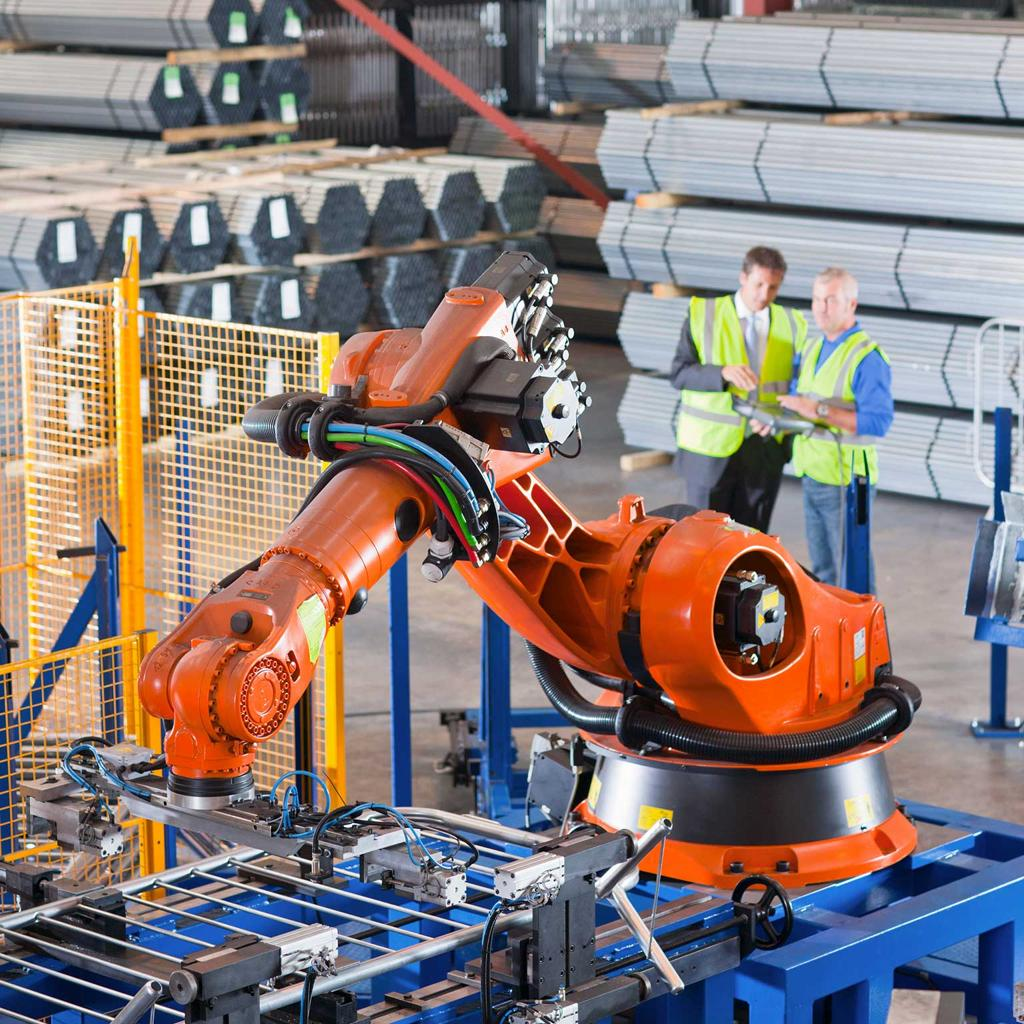
Modern manufacturing growth is increasingly concentrated in advanced production facilities tied to semiconductors, aerospace systems, electric vehicle components, medical equipment, and industrial automation.
States such as Texas, Arizona, Ohio, Tennessee, and North Carolina have seen major investment announcements tied to domestic production initiatives. Federal legislation, including the CHIPS and Science Act, accelerated incentives for semiconductor manufacturing and supply chain localization.
Several forces are driving this trend:
- Companies want shorter supply chains after pandemic disruptions
- Businesses are reducing dependency on overseas manufacturing
- Automation has improved production efficiency
- Energy availability favors certain U.S. regions
- Infrastructure spending supports industrial expansion
Importantly, manufacturing jobs themselves are changing. Modern facilities increasingly require technicians, robotics specialists, maintenance engineers, cybersecurity staff, and software-integrated operations teams.
A manufacturing plant opening today often resembles a high-tech operations center more than a traditional factory floor.
Healthcare Technology Continues Expanding Beyond Hospitals
Healthcare remains one of the largest sectors in the American economy, but the strongest momentum is increasingly tied to operational technology rather than direct clinical expansion alone.
Healthcare systems are under pressure from:
- Aging populations
- Staffing shortages
- Insurance complexity
- Rising administrative costs
- Increased demand for remote care
As a result, healthcare technology companies are growing steadily in areas such as:
- Electronic medical records
- Telehealth platforms
- Revenue cycle management
- Medical cybersecurity
- AI-assisted diagnostics
- Patient scheduling systems
The expansion of outpatient care has also increased demand for localized healthcare infrastructure outside major hospital systems.
For example, suburban urgent care centers, remote monitoring providers, and specialty outpatient clinics are becoming increasingly important in medium-sized American communities.
According to projections from the U.S. Bureau of Labor Statistics, healthcare-related occupations are expected to account for a substantial portion of new job growth over the next decade.
This growth is not limited to physicians and nurses. It increasingly includes analysts, IT professionals, compliance specialists, and operational coordinators.

Logistics and Supply Chain Infrastructure Are Still Expanding
Many Americans noticed supply chain disruptions during the pandemic, but fewer recognized how dramatically logistics infrastructure changed afterward.
Retailers, manufacturers, and distributors invested heavily in:
- Regional warehouse networks
- Last-mile delivery systems
- Inventory tracking software
- Freight optimization technology
- Port modernization
- Cold storage facilities
The result is a logistics industry that continues evolving rapidly even after pandemic conditions eased.
The rise of same-day and next-day delivery expectations has permanently altered how businesses think about inventory placement and transportation efficiency.
Cities near major transportation corridors have especially benefited. Areas connected to interstate highways, rail hubs, and freight airports continue attracting industrial development.
Warehouse automation is also creating new types of employment. Companies increasingly seek workers with experience in:
- Robotics maintenance
- Fleet management software
- Distribution analytics
- Inventory systems integration
- Industrial electrical systems
While traditional retail employment faces pressure from automation, logistics infrastructure continues creating operational demand behind the scenes.
Energy Infrastructure Is Becoming a Major Economic Driver
Energy discussions in America often focus on politics, but economically, infrastructure investment has become one of the country’s strongest growth engines.
This includes both traditional and emerging energy systems.
Several categories are seeing sustained expansion:
Grid Modernization
America’s electrical grid requires extensive upgrades to support population growth, manufacturing expansion, and increased digital infrastructure demand.
Renewable Energy Construction
Solar and wind installations continue expanding in multiple regions, especially where energy incentives and land availability align.
Natural Gas Infrastructure
Despite the growth of renewable energy, natural gas remains deeply integrated into industrial energy supply and electricity generation.
Battery and Storage Systems
Large-scale battery storage facilities are becoming increasingly important for balancing energy supply fluctuations.
Data Center Energy Demand
The rapid expansion of AI computing and cloud services is significantly increasing electricity demand nationwide.
Energy growth affects more than utility companies. It also influences:
- Construction employment
- Engineering firms
- Equipment manufacturing
- Real estate development
- Industrial maintenance services
Communities located near major infrastructure projects often experience secondary economic benefits through local hiring and supplier demand.
Cybersecurity Has Become Essential Business Infrastructure
Cybersecurity was once treated primarily as a technology-sector concern. Today, it affects nearly every industry.
Banks, hospitals, manufacturers, schools, logistics companies, and local governments all face increasing digital security risks.
As businesses digitize operations, cybersecurity spending has shifted from optional investment to operational necessity.
Several factors are driving sustained demand:
- Remote work infrastructure
- Cloud computing expansion
- Ransomware threats
- Data privacy regulations
- AI-generated cyber threats
- Digital payment growth
Importantly, cybersecurity hiring is expanding beyond Silicon Valley and major tech hubs.
Medium-sized businesses across the country increasingly require:
- Security analysts
- Compliance specialists
- Cloud security professionals
- Network monitoring teams
- Incident response consultants
Many community colleges and regional universities are also expanding cybersecurity training programs in response to workforce shortages.
For workers seeking stable long-term career opportunities, cybersecurity continues offering strong prospects across multiple industries.
Construction Specialties Are Quietly Benefiting From Infrastructure Spending
General construction activity fluctuates with housing markets and interest rates. However, specialized infrastructure construction continues gaining momentum.
Federal and state investment initiatives have increased demand for projects tied to:
- Roads and bridges
- Water systems
- Broadband expansion
- Power grid upgrades
- Industrial facilities
- Public transportation improvements
Specialized trades are especially valuable in this environment.
Electricians, industrial welders, HVAC specialists, heavy equipment operators, and utility infrastructure technicians remain in high demand in many regions.
This trend highlights an important shift in the American labor market: skilled trades are increasingly tied to technological modernization rather than purely manual labor.
For example, modern electricians may work on:
- EV charging infrastructure
- Smart buildings
- Data centers
- Solar installations
- Automated industrial systems
These roles often provide wage stability without requiring traditional four-year degree pathways.
Business Services Are Growing Behind the Scenes
Another overlooked area of economic growth involves operational business services.
As companies face increasing complexity, they are outsourcing specialized functions such as:
- Compliance management
- HR administration
- Payroll systems
- Data analytics
- Financial reporting
- Digital operations consulting
Small and mid-sized businesses increasingly rely on external expertise instead of maintaining large internal departments.
This shift benefits firms providing scalable operational support.
For example, accounting firms now frequently offer technology integration services alongside tax preparation. Similarly, HR providers increasingly manage digital onboarding, benefits systems, and workforce analytics.
These industries rarely receive mainstream attention, but they play a central role in helping companies adapt to changing regulations, workforce expectations, and technology demands.
What Americans Are Searching For About Economic Growth
Many consumers and professionals are asking practical questions rather than theoretical economic questions.
Common search trends include:
Which industries are hiring steadily in the U.S.?
Healthcare support, logistics, skilled trades, cybersecurity, and advanced manufacturing continue showing strong regional demand.
What industries are least vulnerable to automation?
Jobs involving technical problem-solving, infrastructure maintenance, healthcare coordination, and skilled operational work tend to remain resilient.
Are trade careers becoming more valuable?
Yes. Specialized trades connected to energy systems, infrastructure modernization, and industrial technology are seeing sustained demand.
Which sectors are benefiting from AI growth?
Beyond software companies, AI expansion supports growth in data centers, energy infrastructure, semiconductor manufacturing, cloud security, and enterprise operations systems.
What industries are growing outside major cities?
Manufacturing, logistics, renewable energy projects, healthcare expansion, and infrastructure construction are increasingly active in suburban and regional markets.
Regional Growth Patterns Are Reshaping Economic Opportunity
Economic growth is becoming more geographically distributed.
While traditional tech centers remain influential, newer investment patterns are spreading into:
- Southern manufacturing corridors
- Midwest logistics hubs
- Mountain West energy regions
- Secondary suburban healthcare markets
- Regional industrial centers
Lower operating costs, land availability, tax incentives, and workforce access all contribute to these shifts.
This redistribution matters because it creates opportunity outside historically dominant coastal markets.
For example, smaller metropolitan areas with strong transportation access or industrial infrastructure are increasingly attracting investment from both domestic and international companies.
The long-term result may be a more diversified American economic landscape.
The Bigger Picture Behind Quiet Economic Momentum
Economic growth does not always arrive through dramatic disruption. In many cases, it develops through gradual operational transformation across industries that most consumers rarely think about directly.
The sectors quietly gaining momentum today share a common theme: they solve foundational economic problems.
They move goods. Power infrastructure. Secure digital systems. Support healthcare delivery. Build industrial capacity. Modernize operations.
These functions may not generate daily headlines, but they increasingly shape hiring trends, investment flows, and regional economic stability across the United States.
For professionals evaluating career changes, investors assessing long-term opportunities, or business owners planning expansion, paying attention to these quieter industries may provide more useful insight than chasing short-term market excitement.
Where the Momentum May Matter Most Next
Over the next decade, America’s economic trajectory will likely depend less on isolated technology booms and more on the steady modernization of essential systems.
Industries tied to infrastructure, logistics, healthcare operations, manufacturing resilience, energy reliability, and digital security are becoming deeply interconnected.
The businesses and workers positioned closest to those long-term needs may ultimately experience the most sustainable growth.
Understanding that shift is becoming increasingly important for anyone trying to navigate the modern American economy with clarity rather than speculation.

Signals Worth Watching Moving Forward
- Infrastructure investment timelines
- Regional manufacturing expansion
- Skilled trade workforce shortages
- Healthcare operational modernization
- Energy grid development
- Logistics automation adoption
- Cybersecurity hiring demand
- Data center construction activity
- Industrial reshoring initiatives
- Workforce retraining programs
Frequently Asked Questions
1. What industries are growing fastest in the American economy right now?
Healthcare technology, logistics infrastructure, cybersecurity, energy systems, and advanced manufacturing are among the sectors showing strong long-term momentum.
2. Why are manufacturing jobs returning to the United States?
Companies are seeking shorter supply chains, greater operational reliability, and domestic production capacity after global disruptions exposed vulnerabilities.
3. Is logistics still growing after the pandemic?
Yes. Consumer expectations around delivery speed and inventory availability continue driving investment in warehouse networks and freight systems.
4. Are skilled trades becoming more important again?
Many specialized trades tied to infrastructure, automation, and energy systems remain in high demand across multiple states.
5. How is AI affecting traditional industries?
AI is increasing demand for data centers, cybersecurity, cloud infrastructure, automation systems, and energy capacity.
6. Which industries are creating jobs outside major cities?
Manufacturing, healthcare expansion, logistics, renewable energy, and infrastructure construction are increasingly active in regional markets.
7. Why is cybersecurity growing so quickly?
Businesses across nearly every sector now rely heavily on digital operations, creating greater demand for security protection and compliance systems.
8. Are healthcare jobs still expanding?
Yes. Beyond direct patient care, operational healthcare technology and administration continue creating new employment opportunities.
9. What role does infrastructure spending play in economic growth?
Infrastructure investment supports construction, engineering, manufacturing, utilities, transportation, and local supplier networks.
10. How can workers prepare for these industry shifts?
Technical training, certifications, operational technology skills, and adaptable digital competencies can improve long-term employment resilience.