
Summary
Growth Watch is an emerging way of evaluating companies based not only on quarterly profits but on long-term economic influence, innovation capacity, and structural resilience. This framework highlights firms reshaping industries—from AI and energy to logistics and healthcare—while helping investors, professionals, and policymakers understand which organizations are likely to define the next decade of economic growth.
Understanding the Idea Behind “Growth Watch”
Economic headlines often focus on quarterly earnings, market swings, or short-term stock performance. Yet many of the companies quietly reshaping the economy operate on longer timelines.
Growth Watch is a framework that shifts attention toward organizations with structural momentum—companies that are building technologies, infrastructure, or platforms likely to influence markets for years rather than months.
Instead of asking “Which companies grew fastest last quarter?”, Growth Watch asks deeper questions:
- Which firms are redefining industries?
- Which companies are building durable ecosystems?
- Which innovations will influence productivity across the economy?
This approach matters because the modern economy is increasingly shaped by technology convergence—where software, AI, logistics, energy, and data platforms overlap.
A company investing heavily today may not dominate headlines yet, but it could become critical infrastructure tomorrow.

Why Traditional Growth Metrics Are No Longer Enough
For decades, analysts relied on familiar signals:
- Revenue growth
- Earnings per share
- Market share expansion
While these metrics still matter, they often fail to capture structural innovation.
Consider cloud computing. When early cloud infrastructure investments began, profitability was not the immediate priority. Yet the platforms built during that period now support enormous portions of the global digital economy.
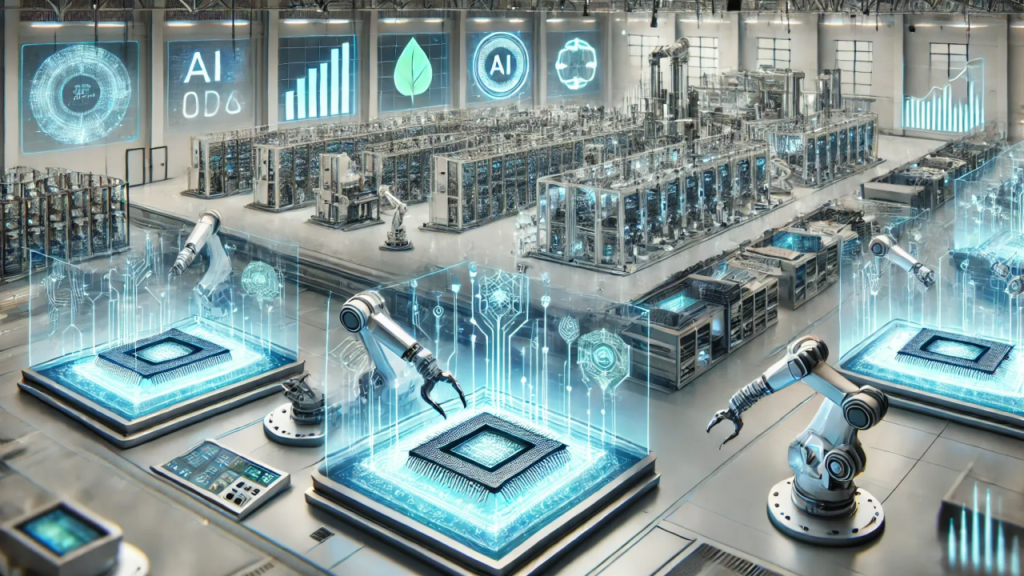
Similarly, today’s AI infrastructure, semiconductor development, and renewable energy build-outs represent long-cycle investments.
Growth Watch therefore considers broader signals such as:
- Research and development intensity
- Ecosystem expansion
- Platform adoption
- Infrastructure investments
- Talent concentration
These indicators often reveal the companies shaping the economy before traditional metrics catch up.
Key Industries Where Growth Watch Is Most Relevant
Certain sectors consistently produce companies with long-term structural impact.
Artificial Intelligence and Advanced Computing
Artificial intelligence has become a foundational technology across industries—from healthcare diagnostics to financial modeling.
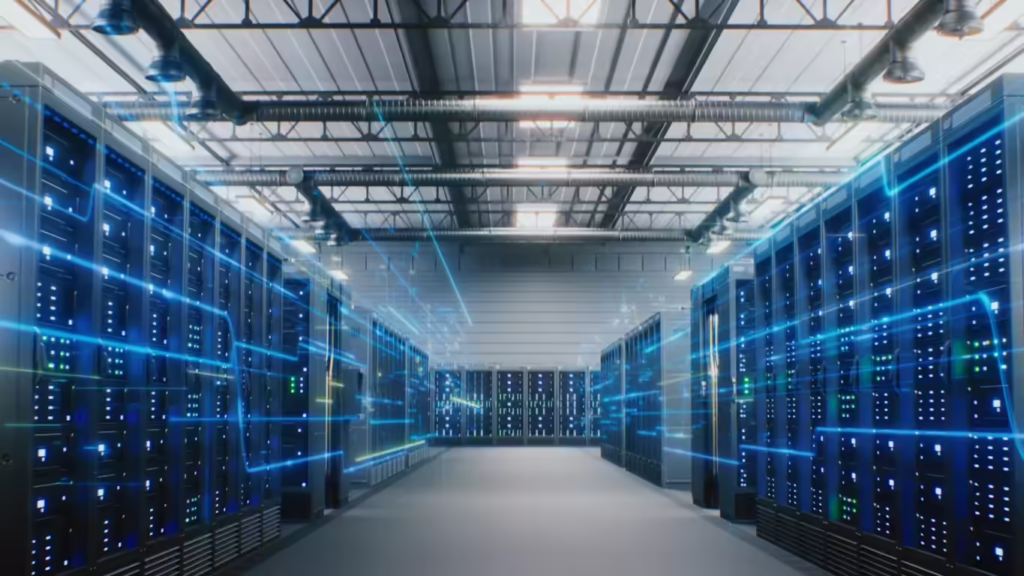
Companies investing heavily in AI infrastructure, specialized chips, and large-scale computing platforms are building the backbone of future productivity.
For example, demand for advanced semiconductors and AI training infrastructure has surged. According to industry analyses from McKinsey and IDC, global AI investment could exceed $300 billion annually by the early 2030s.
Growth Watch highlights organizations:
- Developing AI training platforms
- Building large data ecosystems
- Creating AI-enabled software infrastructure
These firms may operate behind the scenes but power entire digital economies.
Energy Transition and Grid Infrastructure
The global shift toward cleaner energy represents one of the largest infrastructure transformations in decades.
Renewable energy deployment, battery storage, and grid modernization require massive capital investment and engineering innovation.
The International Energy Agency estimates that clean energy investment must exceed $4 trillion annually by 2030 to meet climate targets.
Growth Watch therefore focuses on companies building:
- Utility-scale renewable infrastructure
- Grid modernization technologies
- Energy storage systems
- Advanced materials for electrification
These companies often operate in industrial sectors rather than consumer technology, but their impact is enormous.
Logistics, Supply Chains, and Automation
The pandemic revealed how critical supply chains are to modern economies. Companies that invest in resilient logistics networks and automation technologies are becoming economic backbone organizations.
Innovations in this sector include:
- Warehouse robotics
- AI-driven inventory management
- real-time shipping optimization
- predictive supply chain analytics
These capabilities dramatically improve efficiency across retail, manufacturing, and healthcare distribution.
Organizations that build these platforms often influence entire industry ecosystems, not just their own operations.
Healthcare Technology and Biotech Platforms
Healthcare innovation increasingly relies on computational tools, genomic data, and advanced analytics.
Growth Watch companies in this sector are building:
- AI-driven drug discovery platforms
- genomic sequencing infrastructure
- personalized medicine ecosystems
- telehealth and digital care networks
According to Deloitte research, digital health technologies could generate over $500 billion in global economic value by 2030.
These platforms often take years to mature but eventually transform medical research and patient care.
Signals That a Company Belongs on a Growth Watch List
Not every fast-growing firm qualifies as a structural growth leader. Certain patterns tend to distinguish companies that shape industries.
1. Large-Scale Infrastructure Investment
Companies investing billions into infrastructure—whether data centers, energy systems, or manufacturing facilities—often signal long-term strategy rather than short-term growth.
These investments build economic platforms that competitors rely on.
2. Ecosystem Development
A powerful indicator of influence is when other businesses begin building on top of a company’s technology or platform.
Examples include:
- developer ecosystems
- supplier networks
- marketplace platforms
- software integration frameworks
When an ecosystem forms, a company’s influence expands exponentially.
3. Talent Density and Research Output
High concentrations of engineers, scientists, and researchers often indicate future innovation capacity.
Leading growth companies tend to produce:
- patents
- open-source technologies
- research publications
- specialized training programs
This intellectual capital compounds over time.
4. Cross-Industry Impact
The most powerful companies rarely serve just one industry.
For example:
- cloud computing affects finance, healthcare, and retail
- AI tools influence manufacturing, marketing, and logistics
- advanced materials shape energy, aerospace, and electronics
Growth Watch companies often enable productivity improvements across multiple sectors.
Real-World Example: Infrastructure Before Visibility
History provides many examples where structural growth preceded public recognition.
In the early days of the internet economy, companies building broadband infrastructure and cloud computing platforms attracted modest attention compared with consumer startups.
Yet over time, these infrastructure builders became essential to the digital economy.
Similarly today, companies constructing AI training infrastructure, semiconductor fabrication capacity, or energy storage networks may not dominate headlines yet—but they could define the economic landscape of the 2030s.
This perspective helps investors, policymakers, and professionals recognize long-term economic momentum earlier.
Why Growth Watch Matters for Investors and Professionals
Growth Watch is not just an investment strategy—it is also a career and policy insight tool.
For investors, it helps identify sectors where structural expansion is underway.
For professionals, it highlights industries where skills and expertise will be increasingly valuable.
For policymakers, it reveals where national competitiveness may depend on sustained investment.
The U.S. economy historically benefits when:
- innovation ecosystems flourish
- infrastructure investment accelerates
- new technologies diffuse across industries
Growth Watch highlights companies that often sit at the center of those dynamics.
Questions Americans Are Asking About Growth Watch
People increasingly search for ways to understand which companies are shaping the future economy. Common questions include:
- Which industries will dominate the next decade?
- How can investors identify structural growth early?
- What companies are building critical infrastructure?
- How does AI change economic productivity?
- Which sectors offer long-term career stability?
Growth Watch provides a framework for answering these questions through systemic analysis rather than short-term trends.
Frequently Asked Questions
What does “Growth Watch” mean?
Growth Watch refers to monitoring companies that are building long-term economic influence through innovation, infrastructure investment, and ecosystem development rather than just short-term financial growth.
How is Growth Watch different from traditional stock analysis?
Traditional analysis focuses heavily on earnings and quarterly performance, while Growth Watch evaluates structural factors such as technological platforms, R&D investment, and cross-industry influence.
Which industries currently show the strongest Growth Watch signals?
Artificial intelligence, clean energy infrastructure, logistics automation, and healthcare technology are among the sectors with significant long-term growth potential.
Why do infrastructure investments matter so much?
Infrastructure—such as data centers, energy grids, or semiconductor fabrication plants—creates economic platforms that other companies rely on, generating long-term influence.
Can smaller companies appear on Growth Watch lists?
Yes. Early-stage firms developing breakthrough technologies can qualify if their innovations have the potential to reshape entire industries.
Is Growth Watch mainly useful for investors?
No. It is also valuable for professionals planning careers, policymakers designing economic strategy, and researchers studying technological change.
How does AI influence Growth Watch trends?
AI accelerates productivity across many industries, making companies that build AI infrastructure or foundational models particularly influential.
What role does research and development play?
High R&D investment often signals long-term innovation capacity, which is a major factor in identifying companies with structural growth potential.
Are Growth Watch companies always profitable today?
Not necessarily. Many invest heavily in infrastructure and innovation before achieving large profits.
How often should Growth Watch lists be updated?
Because technological shifts evolve quickly, analysts typically reassess emerging growth leaders annually or when major innovation cycles occur.
Reading the Economic Horizon
The next decade of economic transformation will likely be shaped by companies building foundational technologies, infrastructure, and platforms.
While quarterly headlines capture attention, the deeper economic story often unfolds quietly—in research labs, engineering teams, and large-scale infrastructure projects.
Growth Watch encourages observers to look beyond immediate results and instead focus on structural momentum.
The companies worth watching are not always the loudest.
They are often the ones laying the groundwork for entire industries.
Signals Worth Remembering
- Structural growth often begins before widespread public attention
- Infrastructure investment frequently precedes major economic shifts
- Ecosystem development is a strong indicator of long-term influence
- AI, energy systems, logistics, and healthcare platforms are key growth arenas
- Long-term innovation capacity matters more than short-term earnings spikes