
Consumer spending in 2026 is being shaped by higher living costs, selective discretionary purchases, digital convenience, and value-focused decision-making. Growth watch indicators across retail, travel, housing, subscriptions, and household finance reveal that Americans are spending carefully rather than broadly cutting back. Businesses that understand shifting consumer priorities, flexible pricing expectations, and evolving buying behavior are adapting more successfully to today’s economic environment.
Understanding the New Consumer Spending Landscape
Consumer spending remains one of the strongest drivers of the U.S. economy, but the patterns emerging in 2026 look noticeably different from those seen just a few years ago. Rather than widespread spending surges across all sectors, current growth watch signals point toward a more selective and intentional consumer mindset.
Americans are still spending, but they are increasingly evaluating purchases through the lens of practicality, long-term value, flexibility, and personal priorities. Households are weighing necessities against discretionary expenses more carefully, while businesses are tracking these changes closely to understand where future growth may emerge.
Several economic indicators support this evolving picture. According to recent data from the U.S. Bureau of Economic Analysis and Federal Reserve System, consumer spending growth has remained positive, although uneven across sectors. Essential categories such as groceries, healthcare, utilities, and insurance continue to account for a larger share of household budgets, while spending on premium discretionary goods has become more selective.
This shift does not necessarily indicate reduced confidence. Instead, it reflects a more calculated approach to financial management after years of inflation pressures, changing work habits, and evolving lifestyle priorities.

Why “Growth Watch” Metrics Matter in 2026
Growth watch signals refer to the broader collection of economic and behavioral indicators businesses use to track spending momentum and consumer confidence. These signals include:
- Retail sales trends
- Credit card usage
- Consumer sentiment surveys
- Travel bookings
- Subscription retention rates
- Housing activity
- Restaurant spending
- E-commerce purchasing behavior
- Savings rates
- Employment stability
Together, these metrics help economists and businesses identify not only how much consumers are spending, but also why they are spending differently.
One of the clearest findings in 2026 is that consumers are increasingly prioritizing flexibility and resilience over excess consumption. This has created important opportunities for businesses that can align with changing expectations.
The Rise of Value-Conscious Spending
One of the strongest growth watch trends this year is the continued rise of value-conscious spending.
Consumers are not necessarily purchasing fewer products overall. Instead, many are actively comparing prices, researching purchases longer, and looking for stronger long-term utility before committing to major expenses.
This pattern is especially visible in:
- Grocery shopping
- Consumer electronics
- Home improvement
- Subscription services
- Travel planning
- Automotive purchases
For example, many households are choosing mid-tier brands instead of premium luxury options while still prioritizing quality and durability. Retailers offering transparent pricing, bundled savings, and loyalty incentives are seeing stronger customer retention compared to brands relying heavily on impulse spending.
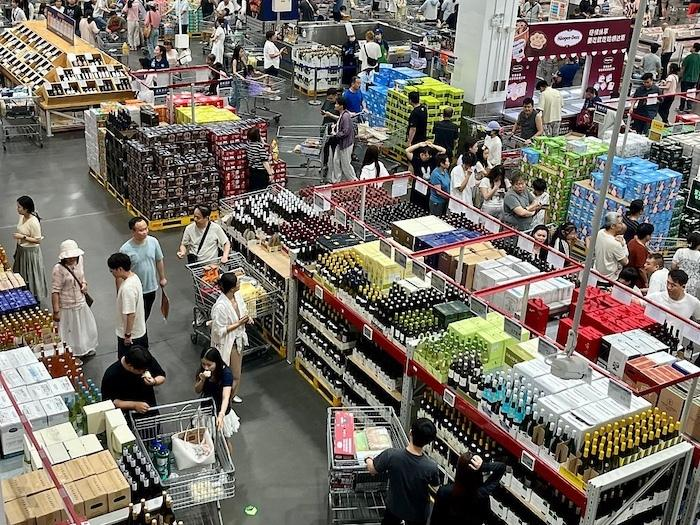
Warehouse clubs, discount retailers, and private-label brands continue gaining traction among middle-income consumers who previously leaned more heavily toward premium national brands.
Consumers Are Spending More Carefully — Not Necessarily Less
One of the most misunderstood consumer spending trends in 2026 is the assumption that cautious spending automatically signals economic weakness.
Growth watch data suggests something more nuanced. Many Americans are still willing to spend significantly in areas that align closely with personal lifestyle priorities.
Experience-focused categories remain relatively resilient, including:
- Domestic travel
- Live entertainment
- Dining experiences
- Wellness services
- Pet care
- Outdoor recreation
At the same time, consumers are cutting back on purchases perceived as repetitive, low-value, or unnecessary.
For example, many households may delay upgrading smartphones or appliances while continuing to budget for family vacations or health-related services. This behavior reflects a broader shift toward “intentional consumption,” where spending is increasingly tied to perceived personal meaning rather than convenience alone.
How Inflation Continues to Shape Spending Decisions
Although inflation has moderated compared to peak levels seen earlier in the decade, its long-term psychological effects remain visible in consumer behavior.
Many Americans continue adjusting their purchasing habits based on the expectation that prices may remain elevated across key categories.
Common adjustments include:
- Buying in bulk
- Waiting for seasonal discounts
- Using cashback and rewards programs
- Reducing impulse purchases
- Comparing financing options more carefully
- Delaying large discretionary expenses
Businesses monitoring growth watch indicators are increasingly focusing on affordability positioning rather than aggressive premium pricing strategies.
Restaurants provide a strong example. Many chains have introduced value meals, loyalty pricing, and limited-time discounts to maintain traffic levels among cost-conscious consumers. Airlines and hotels are also using more flexible pricing structures to encourage bookings without depending entirely on luxury travelers.

Digital Convenience Is Still Driving Consumer Expectations
Another major growth watch signal in 2026 is the continued importance of convenience.
Consumers increasingly expect frictionless purchasing experiences regardless of industry. This includes:
- Faster delivery options
- Flexible payment methods
- Easy subscription management
- Personalized digital recommendations
- Streamlined mobile experiences
- Transparent return policies
E-commerce remains highly influential, but physical retail is adapting rather than disappearing. Many successful retailers are combining digital convenience with in-store flexibility through hybrid shopping models.
For example, buy-online-pickup-in-store services continue expanding across grocery, electronics, and home improvement sectors. Consumers value speed and control more than purely digital experiences alone.
Businesses that fail to simplify purchasing processes are often seeing weaker engagement metrics even when pricing remains competitive.
Subscription Fatigue Is Changing Household Spending
Subscription services expanded rapidly over the last decade, but growth watch metrics in 2026 show increasing signs of subscription fatigue.
Consumers are auditing recurring monthly expenses more aggressively than before. Streaming services, fitness apps, meal kits, software subscriptions, and premium memberships are all facing higher cancellation sensitivity.
Rather than maintaining numerous subscriptions simultaneously, many households are rotating services based on immediate needs or entertainment preferences.
This has created several emerging business responses:
- Lower-cost ad-supported plans
- Flexible pause options
- Bundled service offerings
- Annual savings incentives
- Simplified cancellation systems
Consumers now expect subscription services to continuously prove their value rather than relying on passive retention.
Travel Spending Reflects Shifting Priorities
Travel continues to offer valuable insight into broader consumer confidence trends.
Growth watch signals show that Americans remain willing to allocate significant spending toward travel experiences, particularly domestic and regional trips. However, travel behavior has become more strategic.
Key patterns include:
- Shorter but more frequent trips
- Greater interest in off-season travel
- Increased budgeting for experiences over luxury accommodations
- Preference for flexible cancellation policies
- Stronger interest in road trips and regional destinations
Many travelers are prioritizing financial predictability. Vacation planning often begins earlier to secure lower pricing and avoid unexpected costs.
Travel businesses that emphasize transparency, flexibility, and convenience are generally outperforming competitors focused primarily on premium upselling.
Younger Consumers Are Influencing Spending Patterns
Millennials and Generation Z continue reshaping consumer spending trends in meaningful ways.
Younger consumers often prioritize:
- Financial flexibility
- Sustainability considerations
- Digital-first experiences
- Experience-based spending
- Transparent brand values
- Secondhand or resale markets
This does not mean younger buyers avoid spending. Instead, they often spend differently than previous generations.
For example, resale apparel platforms, refurbished electronics, and peer-to-peer marketplaces continue expanding because many consumers view them as financially practical rather than purely budget alternatives.
Brands that communicate authenticity and clear value tend to perform better with younger audiences than those relying heavily on traditional advertising tactics.
Housing Costs Are Reshaping Household Budgets
Housing remains one of the most influential variables affecting consumer spending patterns in 2026.
High mortgage rates, elevated rental costs, and limited housing supply in many metropolitan areas continue placing pressure on discretionary spending capacity.
As a result, many households are reallocating budgets away from nonessential purchases to accommodate housing expenses.
This has several downstream effects:
- Delayed furniture upgrades
- Reduced luxury retail spending
- Increased interest in multifunctional products
- Greater demand for home-based entertainment
- Higher emphasis on DIY home improvement
At the same time, homeowners staying in place longer are investing more selectively in renovations and maintenance rather than moving frequently.
Credit Usage Is Being Monitored More Closely
Credit card usage remains elevated across the U.S., but growth watch signals show consumers becoming increasingly attentive to debt management.
Financial institutions are monitoring:
- Delinquency rates
- Credit utilization
- Savings behavior
- Consumer loan demand
Many households are balancing spending needs with caution around borrowing costs.
Buy-now-pay-later services continue attracting users, especially among younger consumers, but financial literacy around installment spending has become more important. Consumers are increasingly evaluating interest rates, repayment structures, and long-term affordability before committing to financed purchases.
This more measured approach to borrowing reflects broader economic uncertainty rather than outright consumer withdrawal.
What Businesses Are Learning From These Signals
The strongest lesson emerging from growth watch data in 2026 is that consumers still spend actively when businesses align with their priorities.
Companies performing well in the current environment often share several characteristics:
- Transparent pricing
- Flexible purchasing options
- Reliable customer experience
- Strong value positioning
- Convenience-focused services
- Clear product utility
- Trust-oriented branding
Businesses relying solely on aggressive promotional tactics or premium pricing without clear differentiation are facing greater pressure from increasingly selective consumers.
Organizations across retail, hospitality, finance, healthcare, and technology are adapting by focusing more heavily on retention, loyalty, and customer trust rather than rapid expansion alone.

Questions Americans Are Asking About Consumer Spending in 2026
Why are consumers spending more selectively in 2026?
Many households are balancing inflation-adjusted budgets, housing costs, and long-term financial planning more carefully, leading to more intentional purchasing decisions.
Is consumer spending slowing down overall?
Not necessarily. Spending remains active, but growth is uneven across sectors. Essential services and meaningful experiences continue seeing strong demand.
Which industries are benefiting most from current spending trends?
Travel, wellness, discount retail, grocery, home services, and value-focused subscription models are showing relatively strong consumer engagement.
Are Americans still traveling despite economic concerns?
Yes. Many consumers continue prioritizing travel experiences, although they are often choosing shorter, budget-conscious, or regional trips.
How is inflation still affecting consumer behavior?
Even with slower inflation growth, consumers remain highly price-aware and continue adjusting purchasing habits to manage long-term affordability.
Why are subscription services losing customers?
Many consumers are reassessing recurring expenses and canceling services that no longer provide clear value or regular usage.
What role does e-commerce play in 2026 spending trends?
Digital convenience remains extremely important, especially for research, price comparison, delivery flexibility, and hybrid shopping experiences.
Are younger generations spending differently?
Yes. Millennials and Gen Z often prioritize experiences, flexibility, sustainability, and resale markets more than traditional ownership-focused consumption.
How are housing costs affecting consumer spending?
Higher mortgage and rental expenses are reducing discretionary spending capacity for many households and shifting budgets toward essentials.
What should businesses focus on moving forward?
Businesses are increasingly focusing on value, transparency, convenience, customer trust, and flexible purchasing experiences.
Reading the Consumer Mood Beyond the Headlines
Consumer spending trends in 2026 reveal a more thoughtful and adaptive American consumer rather than a purely cautious one. Growth watch signals consistently show that households are still willing to spend in categories that provide clear value, emotional relevance, convenience, or long-term utility.
For businesses, investors, and policymakers, the most important takeaway may be that consumer behavior is becoming increasingly intentional. Understanding the motivations behind spending decisions now matters as much as measuring spending volume itself.
Companies that respond with transparency, flexibility, and genuine customer value are likely to remain better positioned as consumer expectations continue evolving.
Signals Worth Watching Moving Forward
- Consumers are prioritizing intentional spending over impulse purchases
- Value perception matters more than premium positioning alone
- Convenience and flexibility continue driving buying decisions
- Subscription fatigue is reshaping recurring revenue models
- Housing and living costs remain major spending influences
- Experience-focused spending remains resilient
- Younger consumers continue shifting market expectations
- Businesses emphasizing trust and affordability are adapting more effectively