Summary
Modern wealth advisors increasingly focus on disciplined, long-term investment principles rather than market speculation. Today’s strategies emphasize diversification, cost control, behavioral discipline, tax efficiency, and clear financial goals. By combining evidence-based strategies with personalized planning, advisors help investors navigate uncertainty, manage risk, and build sustainable wealth over time while avoiding common mistakes driven by emotion or short-term market noise.
Why Investment Principles Matter More Than Predictions
Many investors search for the “next big opportunity,” but experienced wealth advisors typically focus on something far less flashy: principles that consistently guide sound decision-making. Markets fluctuate, economic conditions evolve, and new investment products appear regularly. Principles provide the stability that strategies need to remain effective across decades.
Financial advisors today often emphasize that long-term success rarely depends on predicting short-term market moves. Instead, it depends on structure, discipline, and thoughtful planning.
According to data from Dalbar’s Quantitative Analysis of Investor Behavior, individual investors historically underperform market indexes largely because they react emotionally—buying during market highs and selling during downturns. Wealth advisors therefore spend significant time helping clients develop investment frameworks that reduce emotional decision-making.
Rather than chasing performance, advisors encourage investors to focus on elements they can control:
- Portfolio diversification
- Investment costs
- Risk exposure
- Tax efficiency
- Behavioral discipline
These principles form the foundation of many modern wealth management strategies.

Principle 1: Align Investments With Clear Financial Goals
A core idea emphasized by advisors today is that investments should always serve a purpose. Without defined goals, even a well-performing portfolio can fail to support a person’s financial life.
Investors often approach the market with a vague objective like “grow my money.” Advisors typically encourage something more concrete:
- Funding retirement
- Saving for a child’s education
- Purchasing a home
- Building generational wealth
- Creating passive income streams
When goals are clearly defined, investment strategies become far more structured.
For example, an investor planning to retire in 25 years may be comfortable holding a higher allocation of equities to pursue long-term growth. In contrast, someone approaching retirement may prioritize stability and income generation.
Advisors often create time-based investment buckets, aligning risk levels with when money will be needed. This approach helps prevent investors from being forced to sell long-term investments during temporary market declines.
Principle 2: Diversification Remains a Core Strategy
Despite the rise of complex investment products, diversification remains one of the most widely recommended principles in wealth management.
Diversification involves spreading investments across multiple asset classes so that no single market event significantly damages an entire portfolio.
A diversified portfolio typically includes exposure to:
- U.S. stocks
- International stocks
- Government and corporate bonds
- Real estate or REITs
- Cash or short-term instruments
This approach helps balance risk and return.
Research from Vanguard has consistently shown that diversification can reduce volatility while still allowing investors to participate in long-term market growth.
For example, during the 2008 financial crisis, portfolios that included both equities and high-quality bonds generally experienced less severe declines than stock-only portfolios.
Diversification does not eliminate risk, but it helps investors avoid concentrated exposure to a single economic outcome.
Principle 3: Keep Investment Costs Low
One principle almost universally emphasized by wealth advisors is cost control.
Even small fees can significantly impact long-term investment results. For instance, a 1% annual difference in fees can reduce portfolio value by hundreds of thousands of dollars over several decades.
Because of this, advisors often encourage the use of low-cost investment vehicles, particularly index funds and exchange-traded funds (ETFs).
Key cost factors investors should evaluate include:
- Expense ratios of funds
- Trading commissions
- Advisory fees
- Tax implications of turnover
The rise of low-cost investing has been dramatic. According to the Investment Company Institute, index funds now hold a substantial share of U.S. mutual fund assets, reflecting investors’ growing preference for cost-efficient strategies.
Many advisors now combine low-cost core holdings with selective active strategies when appropriate.

Principle 4: Focus on Long-Term Market Participation
Markets move in cycles, and short-term volatility is unavoidable. Wealth advisors often emphasize that long-term participation matters far more than short-term timing.
Historical market data illustrates this clearly. The S&P 500, despite numerous recessions and market crashes, has historically delivered positive returns over extended periods.
Investors who exit the market during downturns risk missing the early stages of recovery, which often produce some of the strongest gains.
Advisors frequently remind clients of a simple principle:
Time in the market tends to outperform attempts to time the market.
One practical example occurred during the COVID-19 market decline in early 2020. Investors who remained invested generally recovered losses within months as markets rebounded strongly.
Maintaining a long-term perspective helps investors avoid costly reactions driven by temporary market fear.
Principle 5: Manage Risk, Not Just Returns
Another principle emphasized today is that investment planning should prioritize risk management, not just return expectations.
Many investors focus on potential gains without fully considering how losses affect their financial plans.
Wealth advisors typically evaluate risk in several ways:
- Volatility of investments
- Portfolio concentration
- Time horizon
- Liquidity needs
- Personal risk tolerance
For example, a portfolio heavily concentrated in technology stocks may perform well during certain market cycles but become vulnerable during sector downturns.
Advisors often conduct risk assessments and stress tests, modeling how portfolios might behave under various economic scenarios such as inflation spikes, recessions, or rising interest rates.
This proactive approach helps investors avoid taking on more risk than their financial plans can support.
Principle 6: Behavioral Discipline Is Critical
One of the most overlooked investment principles involves investor behavior.
Markets frequently test emotional discipline. Sharp declines can trigger panic selling, while rapid gains can encourage excessive risk-taking.
Wealth advisors spend significant time helping clients avoid these behavioral pitfalls.
Common emotional mistakes include:
- Selling during market downturns
- Chasing recent performance
- Overreacting to financial news
- Attempting frequent trading
Behavioral coaching often becomes one of the most valuable services advisors provide.
For example, during market volatility in 2022, many advisors encouraged clients to maintain diversified portfolios rather than shift dramatically into cash. Investors who remained disciplined often avoided locking in losses during temporary declines.
Principle 7: Tax Efficiency Enhances Long-Term Results
Taxes play a significant role in investment outcomes, yet many investors underestimate their impact.
Wealth advisors increasingly incorporate tax-aware investment strategies to help clients retain more of their returns.
Common strategies include:
- Tax-loss harvesting
- Strategic asset location across accounts
- Long-term capital gains management
- Use of tax-advantaged retirement accounts
For example, placing income-generating investments such as bonds inside tax-deferred accounts can improve after-tax returns.
According to research from Morningstar, tax-efficient portfolio management can meaningfully improve long-term wealth accumulation, particularly for high-income investors.
Principle 8: Regular Portfolio Rebalancing
Over time, market movements can cause portfolios to drift away from their intended allocation.
For instance, if stocks experience a strong rally, they may grow to represent a larger percentage of a portfolio than originally planned.
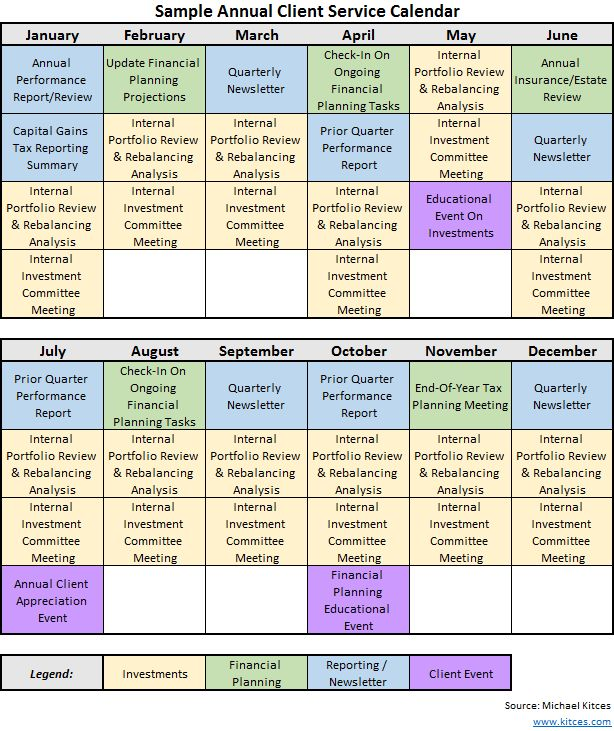
Wealth advisors often recommend periodic rebalancing, which involves adjusting holdings to restore the target allocation.
Benefits of rebalancing include:
- Maintaining consistent risk exposure
- Preventing overconcentration
- Encouraging disciplined investing
Some investors rebalance annually, while others follow threshold-based rules when allocations drift beyond specific percentages.
This systematic approach helps maintain alignment with long-term investment plans.
Principle 9: Simplicity Often Outperforms Complexity
Modern financial markets offer thousands of investment products, but advisors increasingly emphasize that simple portfolios often perform remarkably well.
Complex strategies can introduce unnecessary costs, confusion, and risk.
Many advisors construct portfolios using a limited number of core components:
- Broad-market stock funds
- International equity funds
- Bond funds
- Real estate exposure
This structure provides broad diversification while remaining easy to manage and understand.
Investors benefit when they clearly understand their portfolios rather than relying on complicated strategies that may be difficult to evaluate.
Frequently Asked Questions
What is the most important investment principle according to advisors?
Most advisors highlight long-term discipline and diversification as foundational principles for building sustainable wealth.
How often should investors review their portfolios?
Many advisors recommend reviewing portfolios once or twice per year, unless major life changes occur.
Do investors still benefit from financial advisors today?
Yes. Advisors increasingly provide value through financial planning, behavioral coaching, and tax strategies, not just investment selection.
Are index funds better than actively managed funds?
Index funds offer lower costs and broad diversification, though some investors combine them with selective active strategies.
What percentage of a portfolio should be stocks?
The answer depends on risk tolerance, time horizon, and financial goals, which vary for each investor.
Why do investors often underperform the market?
Emotional reactions, frequent trading, and poor timing often lead investors to underperform long-term market returns.
How much diversification is enough?
A portfolio spread across multiple asset classes and global markets generally provides adequate diversification.
What role does risk tolerance play in investing?
Risk tolerance helps determine how much volatility an investor can comfortably handle without abandoning their strategy.
Should investors rebalance during market downturns?
Rebalancing can be helpful during downturns because it maintains intended allocations and may encourage disciplined buying.
Is it better to invest a lump sum or gradually?
Both approaches have advantages, but historically lump-sum investing has slightly higher average returns due to longer market exposure.
Guiding Your Financial Future With Principles, Not Predictions
Investment success rarely comes from forecasting markets accurately year after year. Instead, it grows from consistently applying well-tested principles that balance growth, risk management, and disciplined behavior.
Wealth advisors today focus less on predicting short-term market movements and more on helping investors build resilient financial systems that adapt to life changes and economic cycles.
For investors navigating increasingly complex financial markets, these principles provide clarity, structure, and long-term confidence.
Key Insights at a Glance
- Clear financial goals guide effective investment strategies
- Diversification helps reduce portfolio volatility
- Lower investment costs improve long-term outcomes
- Long-term market participation often outperforms short-term timing
- Risk management protects financial plans during volatility
- Emotional discipline prevents costly investment mistakes
- Tax efficiency enhances after-tax returns
- Rebalancing maintains consistent risk exposure
- Simple portfolios are often easier to manage and understand