
Summary
Organizations today operate in a landscape defined by cybersecurity threats, regulatory pressure, supply-chain disruptions, and economic uncertainty. Investing in better risk control systems helps businesses anticipate threats, reduce financial losses, strengthen operational resilience, and build stakeholder trust. When implemented strategically, risk control becomes more than compliance—it becomes a framework that protects long-term growth and supports confident decision-making.
Why Risk Control Has Become a Strategic Priority
In the past, risk management often lived inside compliance or audit departments. Today, it has become a core part of business strategy. Companies face a growing set of risks—from cyberattacks and regulatory violations to operational disruptions and reputational damage. These risks can quickly translate into financial losses or long-term strategic setbacks.
Recent data highlights the scale of the issue. According to IBM’s Cost of a Data Breach Report, the average data breach cost in the United States reached $9.48 million in 2023, the highest in the world. Meanwhile, operational disruptions—from supply chain breakdowns to technology failures—continue to affect organizations across industries.
Better risk control systems help businesses identify, assess, and respond to these challenges before they escalate. Rather than reacting to crises, companies with strong risk controls can detect early warning signals and act proactively.
In practice, this means:
- Monitoring risks continuously instead of reviewing them once a year
- Integrating risk insights into operational decision-making
- Ensuring leadership teams understand how risks affect strategy
Organizations that treat risk control as an operational capability—not simply a compliance requirement—are better positioned to navigate uncertainty.
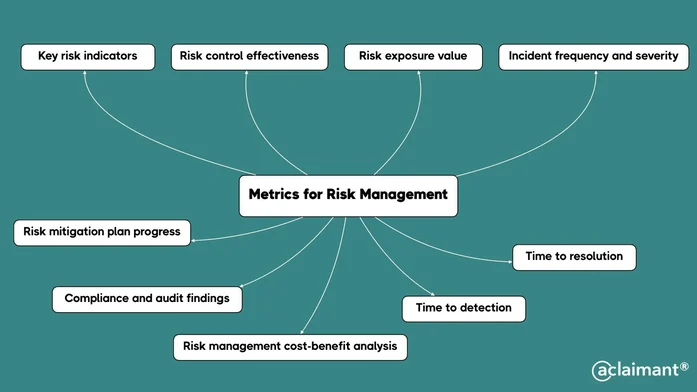
What Are Risk Control Systems?
Risk control systems are the policies, technologies, processes, and governance structures that help organizations identify and manage potential threats to their operations.
These systems often combine several components:
- Risk identification tools that detect vulnerabilities
- Internal controls that prevent errors or misconduct
- Monitoring systems that track operational risks in real time
- Incident response procedures that guide teams during disruptions
For example, a manufacturing company might implement automated monitoring systems to detect equipment failures before they occur. A financial services firm may deploy advanced fraud detection software to identify suspicious transactions.
In both cases, the goal is the same: reduce the likelihood and impact of harmful events.
Modern risk control systems also integrate technology platforms that consolidate risk data across departments. This gives leadership teams a clearer picture of potential threats and enables faster decision-making.
The Financial Argument for Better Risk Controls
Many organizations hesitate to invest in risk infrastructure because it can appear costly upfront. However, the financial case for stronger risk control is often compelling.
Risk events frequently produce cascading costs beyond the immediate incident. These may include regulatory fines, operational downtime, legal expenses, reputational damage, and lost customer trust.
Consider a few examples:
- Cybersecurity breaches can trigger regulatory penalties and lawsuits in addition to remediation costs.
- Compliance failures may result in multi-million-dollar fines or restrictions on business operations.
- Operational disruptions can halt production or delay deliveries, impacting revenue and customer relationships.
Investing in preventive systems can significantly reduce these outcomes. According to Deloitte risk management research, organizations with mature risk management frameworks experience fewer operational disruptions and recover faster when incidents occur.
In other words, risk control systems should be viewed not as overhead but as infrastructure that protects revenue and organizational stability.
How Risk Control Supports Business Growth
Risk control is sometimes perceived as slowing down innovation or adding unnecessary oversight. In reality, effective systems can support growth by giving leadership teams greater confidence when pursuing new opportunities.
Companies expanding into new markets, adopting new technologies, or launching new products often face unfamiliar risks. Without proper oversight, these initiatives may expose organizations to regulatory violations, operational gaps, or reputational harm.
Strong risk control frameworks help businesses scale safely by:
- Providing clear oversight when entering new markets
- Ensuring regulatory compliance across jurisdictions
- Identifying operational risks early during expansion
For example, a technology company expanding internationally may encounter complex data privacy regulations. A well-designed risk control system helps identify these requirements early, reducing the chance of costly compliance failures.
In this way, risk control enables responsible growth rather than limiting it.
The Role of Technology in Modern Risk Control
Technology is transforming how organizations monitor and manage risk. Traditional manual risk assessments—often conducted annually—are increasingly being replaced by continuous monitoring systems.
Modern platforms can analyze large volumes of operational data to detect anomalies and emerging threats.
Examples of technologies used in risk control systems include:
- Automated compliance monitoring tools
- Cybersecurity threat detection platforms
- Predictive analytics for operational risk
- Integrated governance, risk, and compliance (GRC) platforms
These tools allow companies to shift from reactive responses to proactive risk management.
For instance, predictive analytics can help retailers identify supply chain disruptions before they affect inventory levels. Financial institutions use machine learning to flag unusual transaction patterns that may indicate fraud.
Technology does not replace human oversight, but it significantly enhances an organization’s ability to detect and respond to risks quickly.
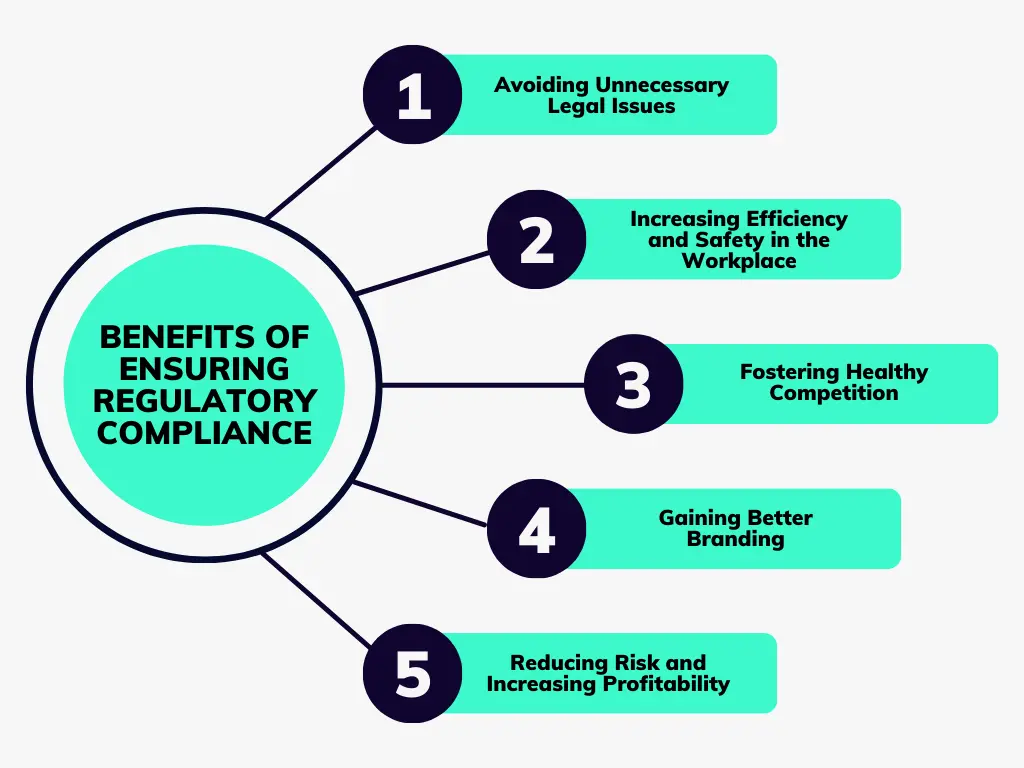
Organizational Benefits Beyond Financial Protection
While the financial benefits of risk control are significant, organizations often experience additional advantages that are harder to quantify.
Strong risk systems can improve operational clarity, accountability, and communication across departments.
Common organizational benefits include:
- Greater transparency in decision-making
- Improved coordination between risk, compliance, and operations teams
- Stronger internal controls that reduce errors and misconduct
- Higher confidence among investors and stakeholders
Investors and regulators increasingly expect companies to demonstrate strong governance structures. Organizations that show a disciplined approach to risk management often enjoy greater credibility with financial partners and oversight bodies.
Real-World Example: Supply Chain Risk Management
The global supply chain disruptions during the COVID-19 pandemic revealed how vulnerable many businesses were to operational shocks.
Companies that relied on single suppliers or lacked contingency planning faced severe delays and inventory shortages. In contrast, organizations with stronger risk controls had already mapped supplier dependencies and established alternative sourcing strategies.
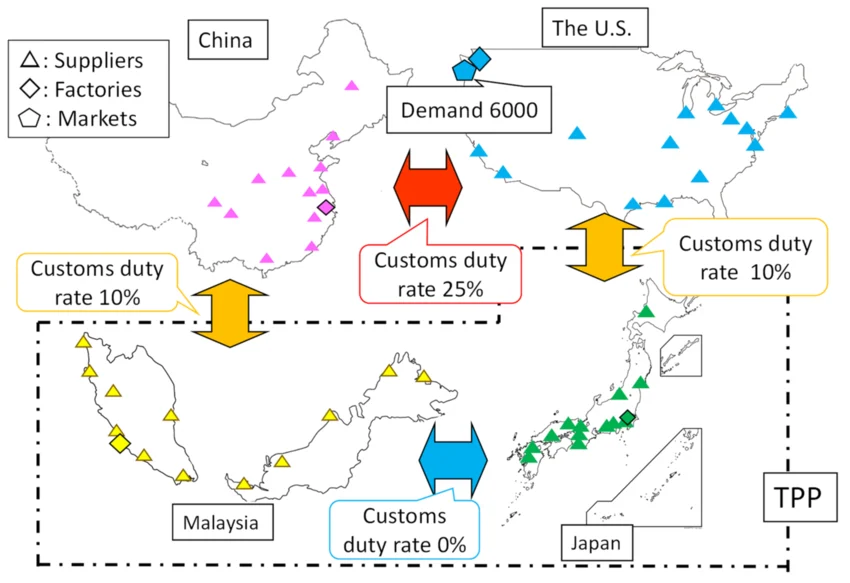
Effective supply chain risk control often includes:
- Diversifying suppliers across regions
- Monitoring geopolitical risks affecting production
- Using predictive analytics to forecast disruptions
- Maintaining strategic inventory buffers
These practices helped some companies maintain continuity even during unprecedented disruptions.
The lesson is clear: businesses that invest in risk visibility are better equipped to adapt during crises.
Building a Strong Risk Control Framework
Organizations considering stronger risk control systems should focus on building frameworks that integrate with everyday operations.
A practical approach often includes several steps:
- Define organizational risk appetite so leadership understands acceptable risk levels.
- Identify key operational risks across departments.
- Implement monitoring systems to track risk indicators.
- Develop incident response protocols for crisis situations.
- Regularly review and update controls as conditions change.
Leadership engagement is critical. Risk management cannot operate effectively if it remains isolated within compliance teams. Senior executives must understand risk exposure and incorporate it into strategic planning.
Companies that embed risk awareness throughout the organization tend to build stronger and more resilient operations.
Frequently Asked Questions
What is the primary purpose of risk control systems?
Risk control systems help organizations identify potential threats, reduce the likelihood of harmful events, and minimize the impact of disruptions when they occur.
How do risk control systems differ from risk management?
Risk management refers to the overall process of identifying and addressing risks. Risk control systems are the specific tools, policies, and technologies used to implement that strategy.
Are risk control systems only relevant for large companies?
No. Small and mid-sized businesses also face operational, financial, and cybersecurity risks. Scalable risk control systems can help organizations of any size manage these challenges effectively.
What industries benefit most from risk control systems?
Industries with complex regulations or operational dependencies—such as finance, healthcare, manufacturing, and technology—often benefit significantly from stronger risk controls.
How much should companies invest in risk control systems?
Investment levels vary based on company size, industry, and regulatory exposure. The key is aligning investment with the organization’s risk profile and operational complexity.
Can technology replace human risk management teams?
Technology enhances risk detection and monitoring but does not replace human expertise. Effective risk management requires both advanced tools and experienced professionals.
How often should risk control systems be reviewed?
Organizations typically review risk frameworks annually, but many controls—such as cybersecurity monitoring—operate continuously.
What role do executives play in risk control?
Executives define risk tolerance, allocate resources, and ensure that risk insights inform strategic decisions.
How do risk controls support regulatory compliance?
Strong risk control systems help organizations identify regulatory obligations, monitor compliance activities, and document processes for regulators.
What is the biggest mistake organizations make with risk control?
A common mistake is treating risk management as a compliance requirement rather than integrating it into everyday operational decision-making.
From Defensive Measure to Strategic Advantage
Organizations that invest in stronger risk control systems are not simply preparing for worst-case scenarios. They are building operational visibility that supports better decision-making across the business.
Risk control allows companies to understand vulnerabilities, anticipate disruptions, and respond with greater agility. In an increasingly complex business environment, that capability can be a significant strategic advantage.
Rather than slowing progress, thoughtful risk systems enable leaders to pursue growth with confidence, knowing that potential threats are being monitored and managed.
Key Insights at a Glance
- Risk control systems help organizations identify and reduce operational, financial, and regulatory risks
- Preventive investments often cost far less than recovering from major risk events
- Technology plays a growing role in real-time risk monitoring and analytics
- Strong risk frameworks support business growth by enabling safer expansion
- Investors and regulators increasingly expect organizations to demonstrate robust risk governance