Summary
In today’s digitally connected economy, risk control extends beyond cybersecurity. Organizations must manage operational, financial, technological, and third-party risks that move rapidly across interconnected systems. Effective risk control combines proactive governance, real-time monitoring, cross-department collaboration, and resilient digital infrastructure. Companies that integrate risk management into everyday decision-making protect revenue, maintain trust, and adapt faster to emerging threats.
Understanding Risk in a Hyper-Connected Economy
Modern organizations operate inside a complex web of cloud platforms, APIs, global suppliers, remote employees, and automated systems. While this connectivity fuels efficiency and innovation, it also amplifies risk.
In the past, risk management was often handled by compliance teams that focused on regulatory checklists. Today, risk is dynamic and system-wide. A software outage in one vendor can disrupt thousands of businesses simultaneously. A cyberattack against a third-party provider can expose sensitive customer data across multiple industries.
According to the World Economic Forum Global Risks Report, cyber incidents and digital infrastructure failures consistently rank among the top business risks worldwide. At the same time, operational disruptions—from supply chain shocks to cloud outages—are increasingly tied to digital interdependence.
Effective risk control in this environment requires organizations to rethink how they identify, monitor, and mitigate threats.
Rather than reacting to problems after they occur, modern risk control is about anticipation, visibility, and resilience.
What “Effective Risk Control” Actually Means
Effective risk control is not simply reducing risk. In reality, eliminating risk entirely would also eliminate opportunity. The goal is managing risk intelligently while enabling growth and innovation.
Organizations that do this well typically integrate risk management into everyday operations instead of treating it as a separate compliance function.
Effective risk control typically includes:
- Identifying risks early across operational, financial, technological, and reputational areas
- Establishing clear governance structures and accountability
- Implementing monitoring systems that detect anomalies quickly
- Building response plans before incidents occur
- Creating transparency across departments and leadership
Companies that adopt this approach treat risk as a strategic discipline, not just a defensive one.
For example, many financial institutions now maintain enterprise risk dashboards that combine cybersecurity alerts, vendor performance metrics, and regulatory indicators in real time. This allows leadership teams to respond quickly when conditions change.
Why Digital Connectivity Changes the Risk Landscape
The digital economy increases both the speed and scale at which risks spread.
In traditional business models, risks were often isolated. A warehouse failure affected one facility. A local IT outage affected one office.
In contrast, digitally connected infrastructure creates systemic exposure.
Consider several real-world scenarios:
- A cloud service outage disables thousands of applications simultaneously.
- A compromised software update spreads malware to global networks.
- A payment processing interruption halts transactions for retailers nationwide.
The 2021 Colonial Pipeline cyberattack, for instance, demonstrated how digital vulnerabilities can rapidly translate into real-world economic disruption. Fuel supply across the U.S. East Coast was temporarily affected after ransomware compromised operational systems.
Because systems are interconnected, risk management must now account for dependencies across organizations and technologies.
This shift is why companies increasingly emphasize resilience and redundancy, not just prevention.
The Core Pillars of Modern Risk Control
Organizations that manage risk effectively in the digital economy typically rely on several core pillars.
1. Enterprise-Wide Risk Visibility
The first step in controlling risk is understanding where it exists.
Many companies struggle because risk data is fragmented across departments: cybersecurity teams monitor digital threats, finance tracks financial exposure, and operations manages supplier reliability.
Effective organizations bring these perspectives together.
Enterprise risk platforms and integrated dashboards allow leadership to see:
- Technology vulnerabilities
- Operational disruptions
- Third-party risks
- Regulatory compliance status
- Financial exposure trends
This holistic view helps organizations prioritize the most significant threats.
2. Proactive Cybersecurity and Data Protection
Cybersecurity remains one of the most visible components of risk control in a connected economy.
The IBM Cost of a Data Breach Report estimates the global average breach cost at over $4 million, with higher averages in the United States.
But modern cybersecurity goes far beyond firewalls.
Effective practices include:
- Zero-trust architecture that verifies every system interaction
- Multi-factor authentication across internal and external users
- Continuous monitoring for abnormal activity
- Data encryption both in transit and at rest
- Regular security testing and vulnerability assessments
Organizations that integrate cybersecurity into product design and system architecture reduce risk significantly.
3. Third-Party and Vendor Risk Management
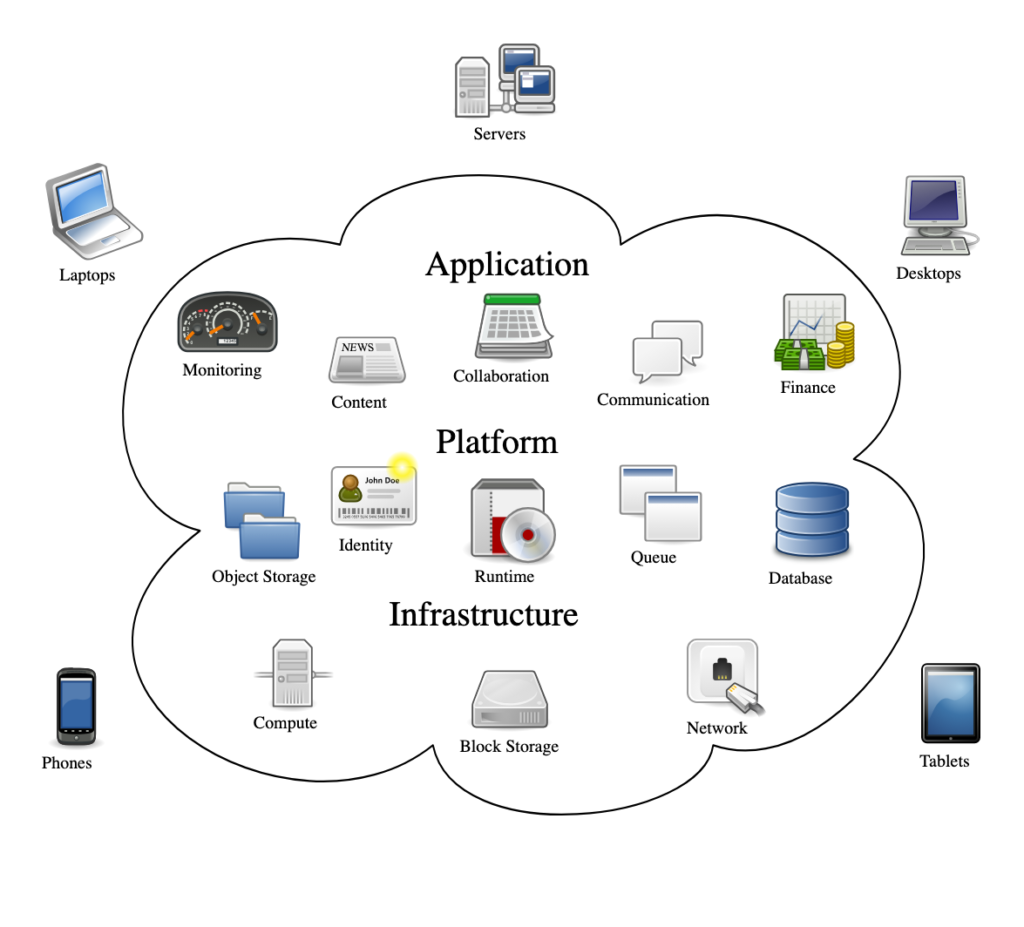
Digital ecosystems rely heavily on third-party providers.
Cloud infrastructure, payment platforms, analytics tools, marketing technology, and logistics systems are often outsourced to specialized vendors.
This dependency introduces a new category of risk: vendor exposure.
When a vendor experiences a breach or outage, the consequences can cascade to its clients.
Effective third-party risk programs include:
- Vendor security assessments before onboarding
- Continuous monitoring of supplier risk profiles
- Contractual requirements for security standards
- Contingency plans for critical services
Large enterprises increasingly maintain vendor risk scorecards to track performance and vulnerabilities.
4. Operational Resilience and Continuity Planning
Risk control is not just about prevention—it is also about recovery.
Operational resilience ensures that essential functions continue even during disruptions.
Organizations often develop business continuity plans (BCPs) that outline how systems and operations will function during incidents such as cyberattacks, infrastructure failures, or natural disasters.
Key elements of resilience planning include:
- Redundant systems and backup infrastructure
- Data recovery procedures
- Alternative supply chains
- Incident response teams
- Clear communication protocols
Companies that regularly test these plans through simulations respond far more effectively when disruptions occur.
5. Risk-Aware Leadership and Culture
Technology alone cannot control risk.
Culture plays an equally important role.
Organizations with strong risk control frameworks encourage employees to identify and report vulnerabilities early.
This includes:
- Training employees to recognize phishing attempts and fraud risks
- Encouraging cross-department communication about operational concerns
- Rewarding proactive problem reporting rather than penalizing mistakes
When risk awareness becomes part of everyday decision-making, organizations detect threats earlier.
Real-World Examples of Risk Control in Action
Several industries offer useful examples of how effective risk control works in practice.
Financial Services
Banks operate under strict regulatory oversight and therefore maintain some of the most advanced risk management systems.
Many large banks now use AI-driven fraud detection systems that analyze transaction patterns in real time. These systems flag suspicious behavior instantly, reducing fraud losses and protecting customers.
Healthcare
Healthcare organizations must manage both cybersecurity and patient safety risks.
Hospitals increasingly implement network segmentation and backup systems to protect electronic health records from ransomware attacks. After several major hospital ransomware incidents in recent years, many health systems now maintain offline data backups to ensure recovery.
E-Commerce and Retail
Retail platforms rely heavily on payment processors, logistics systems, and cloud infrastructure.
Major retailers mitigate risk by:
- Maintaining multiple payment gateways
- Monitoring vendor reliability metrics
- Deploying advanced fraud detection tools for online transactions
This layered approach helps ensure business continuity during peak sales periods.
The Role of Data and Automation in Risk Monitoring
One of the most significant developments in risk control is the use of data analytics and automation.
Traditional risk monitoring relied heavily on periodic reports and manual reviews. Today, organizations increasingly rely on automated tools that monitor systems continuously.
Examples include:
- AI models that detect unusual login patterns
- Real-time fraud detection systems
- Automated compliance monitoring tools
- Predictive analytics for supply chain disruptions
These systems allow organizations to identify anomalies before they escalate into major incidents.
According to research from McKinsey & Company, companies that integrate advanced analytics into risk management improve threat detection speed significantly while reducing operational costs.
Automation also helps organizations scale risk monitoring across large digital ecosystems.
Common Mistakes Organizations Make with Risk Control
Even well-resourced organizations sometimes struggle with risk management. Several recurring mistakes undermine otherwise strong programs.
Treating Risk as a Compliance Exercise
When organizations focus only on regulatory requirements, they often overlook emerging risks that fall outside formal checklists.
Ignoring Third-Party Dependencies
Many companies invest heavily in internal security but underestimate vulnerabilities within their vendor networks.
Lack of Cross-Department Collaboration
Risk management fails when departments operate in isolation. Technology teams, operations teams, and executive leadership must communicate regularly.
Failure to Test Response Plans
A response plan that exists only on paper is rarely effective during a crisis. Regular simulations help teams practice decision-making under pressure.
How Small and Mid-Sized Businesses Can Strengthen Risk Control
Risk management is not just for large enterprises. Small and mid-sized businesses face many of the same threats but often with fewer resources.
Fortunately, several practical steps can significantly reduce risk exposure.
- Use cloud platforms with built-in security protections
- Implement multi-factor authentication across all systems
- Maintain encrypted data backups stored separately from operational networks
- Conduct periodic cybersecurity training for employees
- Review vendor security policies before integrating new services
Many SMBs also benefit from working with managed security providers that monitor systems continuously.
The goal is not to create complex frameworks but to build consistent, disciplined risk practices.
Frequently Asked Questions
What is risk control in business?
Risk control refers to the processes organizations use to identify, assess, and mitigate threats that could disrupt operations, finances, or reputation. It involves prevention strategies, monitoring systems, and response plans.
Why is risk control more important in the digital economy?
Digital connectivity allows risks—such as cyberattacks or system failures—to spread rapidly across organizations and industries. Effective risk control helps companies detect and contain these threats quickly.
What are the main types of business risk today?
Common risks include cybersecurity threats, operational disruptions, supply chain instability, regulatory compliance issues, financial exposure, and reputational damage.
How does cybersecurity fit into risk management?
Cybersecurity protects digital systems and sensitive data from unauthorized access or attacks. It is one of the most critical components of modern risk control.
What is third-party risk?
Third-party risk arises when businesses depend on external vendors or service providers. If those partners experience outages, breaches, or failures, their clients may also be affected.
What is operational resilience?
Operational resilience refers to an organization’s ability to continue functioning during disruptions such as cyber incidents, infrastructure failures, or natural disasters.
How often should organizations review risk management strategies?
Most organizations conduct formal risk reviews annually, but monitoring systems should operate continuously. Regular scenario testing and updates help keep strategies effective.
Can automation improve risk management?
Yes. Automation allows companies to monitor systems in real time, detect anomalies quickly, and respond faster than manual processes alone.
What role does company culture play in risk control?
A risk-aware culture encourages employees to identify vulnerabilities early and communicate concerns. This reduces the likelihood that small problems grow into major incidents.
How can small businesses improve risk control affordably?
Small businesses can focus on essential protections such as secure cloud services, multi-factor authentication, data backups, employee training, and vendor security reviews.
Building Business Resilience in an Interconnected World
The digitally connected economy has created enormous opportunity—but also unprecedented exposure to risk. Systems are more powerful, but also more interdependent.
Organizations that succeed in this environment treat risk control as a continuous strategic function, not a one-time compliance task.
By combining technology, governance, and a culture of awareness, businesses can detect emerging threats early, respond quickly, and maintain operational stability even during disruptions.
In an economy where a single vulnerability can ripple across entire industries, resilience is no longer optional—it is a core component of long-term business success.
Key Insights at a Glance
- Digital connectivity increases both the speed and scale of business risk
- Effective risk control requires enterprise-wide visibility
- Cybersecurity is essential but only one component of modern risk management
- Vendor and third-party exposure must be actively monitored
- Operational resilience ensures businesses continue functioning during disruptions
- Data analytics and automation improve threat detection and response times
- Risk-aware leadership and employee culture strengthen organizational defenses
- Small businesses can implement strong risk practices without large budgets