Summary
Data analytics is transforming how businesses identify, measure, and control risk. Instead of reacting after problems occur, organizations now use predictive models, real-time monitoring, and integrated data platforms to anticipate threats. From cybersecurity and supply chains to financial planning and compliance, data-driven risk management allows companies to make faster decisions, reduce uncertainty, and strengthen operational resilience.
Why Data Has Become Central to Modern Risk Control
For most of the twentieth century, business risk management relied heavily on historical reports, expert judgment, and periodic audits. Risks were identified after problems surfaced—fraud was discovered months later, supply chain disruptions were analyzed after shipments failed, and compliance gaps were revealed during regulatory reviews.
Today, that model is rapidly changing.
The explosion of business data—from cloud platforms, enterprise software, connected devices, and customer transactions—has created an environment where risk can be detected earlier and managed more precisely. Organizations can now monitor operational signals in real time and apply predictive analytics to forecast potential disruptions before they occur.
According to a 2023 survey by Deloitte, more than 70% of large organizations are investing in advanced analytics to strengthen risk management capabilities, particularly in areas such as cybersecurity, operational resilience, and financial forecasting.
The shift is not simply technological. It reflects a deeper change in how companies think about uncertainty. Data has transformed risk control from a reactive process into a proactive strategic function.
From Reactive Risk Management to Predictive Risk Intelligence
Historically, companies relied on lagging indicators—financial reports, audit findings, or regulatory reviews—to understand risk exposure. By the time those signals appeared, the underlying problem often had already caused damage.
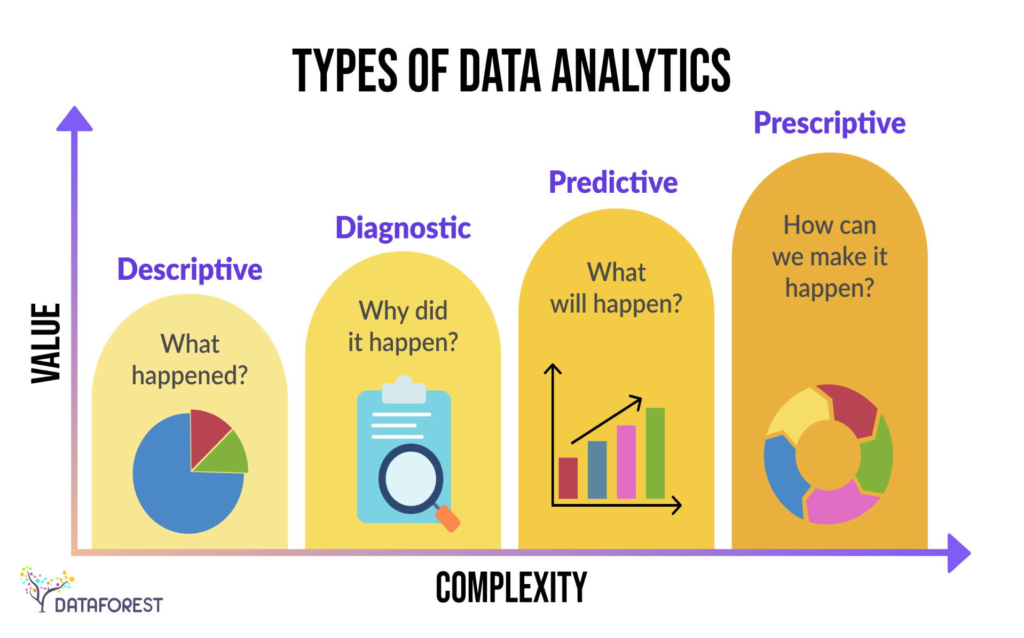
Modern data analytics allows organizations to work with leading indicators, which signal emerging threats before they escalate.
Predictive risk models combine historical data, machine learning algorithms, and external datasets to forecast patterns such as:
- Potential fraud activity in financial transactions
- Supply chain disruptions caused by geopolitical events
- Customer behavior that signals churn or credit default
- Cybersecurity anomalies that may indicate a breach
For example, large financial institutions now analyze millions of transactions per hour to identify suspicious patterns. Machine learning systems flag unusual activity within seconds, allowing investigators to intervene before fraudulent transfers are completed.
Retail companies apply similar methods to supply chain management. By analyzing shipping data, weather patterns, and port congestion indicators, businesses can anticipate delays weeks in advance and adjust logistics plans accordingly.
The result is a fundamental shift: risk management becomes predictive rather than reactive.
The Role of Real-Time Data Monitoring
Another critical change in risk control is the move toward continuous monitoring. Instead of periodic assessments, businesses now maintain constant visibility into operational risk factors.
Real-time dashboards track performance indicators across multiple systems, enabling leaders to detect emerging issues quickly.
In practical terms, this means organizations can:
- Monitor cybersecurity threats as they occur
- Track financial exposure across multiple markets
- Identify compliance violations instantly
- Detect operational inefficiencies before they escalate
For instance, manufacturing companies increasingly rely on sensor data from equipment to predict mechanical failures. These predictive maintenance systems analyze vibration patterns, temperature readings, and machine usage data to identify early warning signs of breakdowns.
The benefit is twofold: companies reduce downtime while also minimizing safety risks associated with unexpected equipment failures.
Organizations using these systems report measurable improvements in operational reliability and cost control.
How Data Is Transforming Financial Risk Management
Financial risk management has been one of the earliest adopters of data-driven approaches.
Banks, investment firms, and corporate finance teams now rely on sophisticated analytics platforms to assess market volatility, credit exposure, and liquidity risk.
Institutions such as Federal Reserve and International Monetary Fund have emphasized the importance of data analytics in strengthening financial stability.
Data-driven risk management helps organizations:
- Model potential losses under different economic scenarios
- Evaluate counterparty risk in complex financial transactions
- Monitor credit exposure across large customer portfolios
- Detect anomalies that may signal fraud or insider trading
Large corporations increasingly apply similar techniques to internal financial planning. Predictive analytics can forecast revenue volatility, currency fluctuations, and cost inflation risks.
For example, global manufacturers analyze commodity market data to anticipate raw material price spikes. By identifying trends early, finance teams can hedge exposure or renegotiate supplier contracts.
Cybersecurity Risk and Data-Driven Defense
Cybersecurity has become one of the most data-intensive forms of risk management.
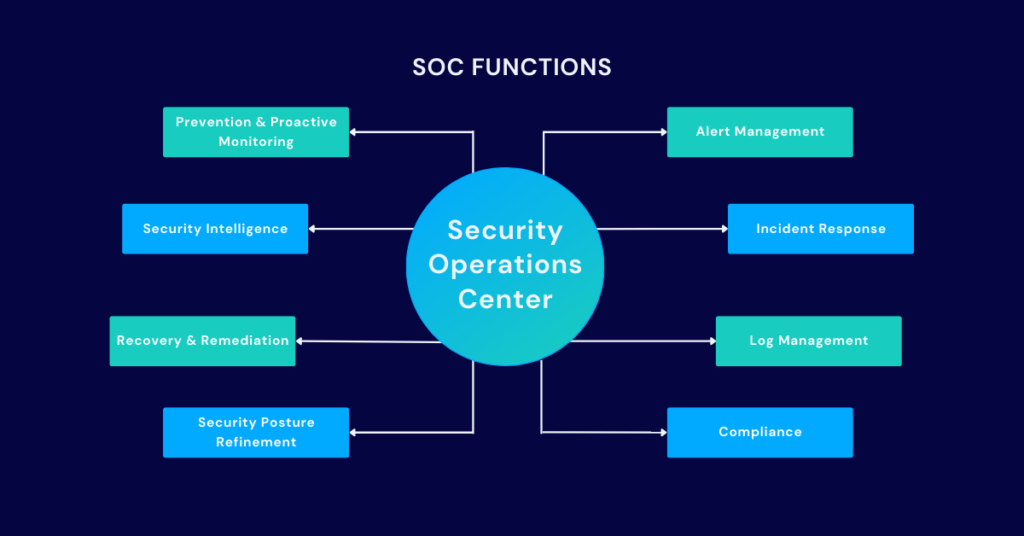
Modern security platforms analyze enormous volumes of network data, user behavior patterns, and system logs to detect threats. These systems rely on artificial intelligence models trained on historical attack data.
Organizations such as IBM Security estimate that businesses generate terabytes of security-related data daily, making automated analysis essential.
Data-driven cybersecurity allows companies to:
- Identify suspicious login behavior across global networks
- Detect malware signatures before they spread
- Analyze traffic anomalies that indicate data exfiltration
- Prioritize vulnerabilities based on real-world threat intelligence
Instead of waiting for breaches to be discovered manually, companies can respond to suspicious activity in minutes.
This capability is particularly important as ransomware attacks and supply chain vulnerabilities continue to increase worldwide.
Supply Chain Risk Management in a Data-Rich World
Supply chain disruptions over the past several years have revealed how vulnerable global logistics networks can be. Data analytics has become one of the most effective tools for improving resilience.
Businesses now combine multiple data sources to gain a clearer picture of potential disruptions.
These sources often include:
- Shipping and logistics databases
- Weather and climate models
- Trade policy updates
- Port congestion metrics
- Supplier performance data
For example, during the pandemic, many companies began analyzing real-time shipping data to identify bottlenecks at major ports. By monitoring container movements and freight capacity, logistics teams could reroute shipments before delays became critical.
Organizations such as McKinsey & Company report that companies using advanced supply chain analytics experience significantly lower disruption-related losses compared with organizations relying on manual planning.

Regulatory Compliance and Data Transparency
Regulatory compliance is another area where data-driven risk control has become essential.
Modern regulatory frameworks require organizations to demonstrate clear oversight of financial transactions, operational processes, and consumer data handling.
Rather than relying on manual audits, many companies now use automated compliance monitoring systems.
These systems analyze operational data continuously to identify potential violations.
Examples include:
- Monitoring financial transactions for anti–money laundering compliance
- Tracking employee communications for insider trading risks
- Analyzing customer data handling practices for privacy violations
- Detecting irregular accounting entries that could indicate fraud
Regulators themselves are increasingly adopting analytics tools to evaluate corporate reporting.
As a result, companies that maintain strong data governance practices are better positioned to meet evolving regulatory expectations.
Challenges of Data-Driven Risk Management
Despite its advantages, data-driven risk management also introduces new challenges.
Organizations must address several critical issues before analytics can deliver meaningful results.
One of the biggest challenges is data quality. Inaccurate or incomplete datasets can produce misleading risk assessments.
Another challenge involves data integration. Many companies still operate with fragmented systems that store information in isolated databases. Without integration, analytics tools cannot generate a comprehensive view of risk exposure.
Privacy concerns also play a major role. Companies must balance the benefits of extensive data analysis with regulatory requirements related to consumer data protection.
Finally, there is the issue of organizational expertise. Effective analytics programs require skilled data scientists, cybersecurity professionals, and risk analysts who understand both technical systems and business operations.
Businesses that invest in training and governance frameworks are more likely to succeed with data-driven risk control.
What Businesses Should Focus on When Building Data-Driven Risk Programs
Companies looking to strengthen their risk management capabilities should focus on several foundational priorities.
Successful programs typically include:
- Centralized data platforms that integrate operational, financial, and external data sources
- Predictive analytics models designed to identify emerging risk patterns
- Real-time monitoring systems for continuous operational visibility
- Clear governance frameworks that ensure data accuracy and accountability
- Cross-functional collaboration between risk teams, IT departments, and executive leadership
Organizations that treat risk analytics as a strategic capability—not simply a technical tool—tend to achieve the greatest long-term benefits.
Frequently Asked Questions
What is data-driven risk management?
Data-driven risk management uses analytics, machine learning, and real-time data monitoring to identify, assess, and mitigate potential threats to a business.
Why are companies using data analytics for risk control?
Analytics allows organizations to detect risks earlier, forecast potential disruptions, and make faster decisions based on measurable evidence rather than assumptions.
How does predictive analytics help reduce risk?
Predictive analytics analyzes historical data and trends to estimate the probability of future events, allowing businesses to prepare for disruptions before they occur.
What industries benefit most from data-driven risk management?
Finance, manufacturing, healthcare, retail, logistics, and technology companies are among the sectors that rely heavily on analytics to manage risk.
Is data-driven risk management only for large companies?
No. Smaller businesses increasingly use cloud-based analytics platforms that make advanced risk monitoring accessible without large infrastructure investments.
How does data help prevent fraud?
Machine learning models analyze transaction patterns and detect anomalies that may indicate fraudulent behavior, enabling rapid investigation.
What role does artificial intelligence play in risk management?
AI systems can process vast datasets, identify patterns humans might miss, and automate threat detection across cybersecurity, finance, and operations.
What are the biggest challenges in implementing data-driven risk systems?
Common challenges include poor data quality, fragmented IT systems, limited analytics expertise, and evolving regulatory requirements.
How does real-time monitoring improve risk control?
Continuous monitoring allows organizations to detect emerging issues immediately rather than waiting for periodic reports or audits.
Can data analytics help manage supply chain disruptions?
Yes. Companies analyze shipping data, weather patterns, and supplier performance metrics to anticipate disruptions and adjust logistics strategies proactively.
Risk Management in the Age of Data Intelligence
The growing availability of data has fundamentally reshaped how organizations manage uncertainty.
Instead of relying solely on historical reports and manual oversight, businesses now use predictive analytics, real-time monitoring, and integrated data platforms to identify emerging risks earlier than ever before.
As data ecosystems continue expanding, companies that invest in strong analytics capabilities will be better equipped to navigate economic volatility, cybersecurity threats, and operational disruptions.
Risk control is no longer just about responding to problems—it is about anticipating them before they occur.
Essential Insights to Remember
- Data analytics allows businesses to detect risk patterns earlier than traditional reporting methods
- Predictive models help organizations anticipate financial, operational, and cybersecurity threats
- Real-time monitoring systems improve response speed and decision-making
- Supply chain analytics helps companies navigate global logistics disruptions
- Strong data governance is essential for reliable risk analysis
- Organizations that integrate data across departments gain the most effective risk visibility