Summary
Risk control has moved from compliance departments to the center of corporate strategy. From cyber threats and supply chain disruption to regulatory scrutiny and AI governance, U.S. boards now treat risk management as a leadership responsibility. Companies that build structured risk control systems are proving more resilient, better governed, and better prepared for uncertainty across rapidly evolving industries.
The Shift From Operational Concern to Strategic Imperative
For decades, risk management in American companies lived largely within compliance, insurance, or internal audit departments. Boards were aware of risk exposure, but it rarely shaped the core strategy discussion.
That dynamic has changed dramatically.
Across industries—from financial services and manufacturing to healthcare, technology, and energy—risk control has become a central boardroom agenda item. Directors are now expected to understand emerging threats, oversee mitigation strategies, and ensure that risk management frameworks align with long-term business strategy.
Several structural forces are driving this shift.
First, the risk landscape itself has expanded. Businesses today face a combination of cyber threats, geopolitical disruptions, regulatory complexity, reputational exposure, and technology-driven change. These risks can emerge suddenly and escalate quickly.
Second, investors and regulators increasingly hold boards accountable for how well companies anticipate and manage risk. Governance expectations have evolved significantly over the past decade.
According to the National Association of Corporate Directors (NACD), board oversight of risk is now one of the most frequently cited responsibilities in corporate governance frameworks.
As a result, risk control is no longer treated as a defensive function—it is becoming a strategic capability.

The Expanding Risk Landscape Facing U.S. Companies
Modern corporations operate in an environment where risk events are both more frequent and more interconnected.
A cyberattack can trigger operational shutdowns, regulatory investigations, reputational damage, and shareholder litigation—all within days.
Supply chain disruptions can halt production across multiple continents.
Regulatory changes can alter entire business models.
The complexity of modern risk exposure is a major reason boards are becoming more directly involved.
Several risk categories now dominate boardroom discussions.
Cybersecurity threats
Cybercrime has become one of the most significant operational risks for U.S. companies. IBM’s Cost of a Data Breach Report consistently shows the average breach costing organizations millions of dollars, with reputational damage often lasting far longer than the financial impact.
Supply chain fragility
Events such as the COVID-19 pandemic, geopolitical tensions, and logistics bottlenecks exposed vulnerabilities in global supply networks.
Boards now routinely review supply chain resilience strategies, supplier diversification, and contingency planning.
Regulatory and compliance risk
Regulatory scrutiny has intensified across sectors, particularly in finance, healthcare, data privacy, and environmental reporting.
Companies must monitor constantly evolving regulations from agencies such as:
- SEC
- FTC
- Department of Justice
- Federal banking regulators
- State-level authorities
Technology and AI governance
Artificial intelligence, automation, and digital transformation are creating new risk dimensions related to ethics, data protection, algorithmic bias, and operational oversight.
Boards increasingly ask: not only What opportunities does technology create? but also What risks does it introduce?
Reputation and stakeholder trust
Brand damage can now spread instantly through social media and digital platforms.
Companies must anticipate reputational risks related to data misuse, environmental practices, workplace culture, and customer experience.
In short, risk exposure is no longer isolated—it is systemic.
Why Boards Can No Longer Delegate Risk Oversight
Historically, companies assumed that risk management could be handled primarily by operational leaders.
That assumption no longer holds.
Major corporate failures over the past two decades—from financial crises to cybersecurity breaches—have revealed a common pattern: insufficient board-level oversight.
Regulators and investors now expect boards to actively supervise risk governance.
This expectation is reflected in several governance trends.
Greater board accountability
Directors are increasingly expected to demonstrate that they understand the company’s major risk exposures and mitigation plans.
Risk oversight is now considered a core fiduciary responsibility.
Creation of board risk committees
Many large U.S. companies have established dedicated risk committees at the board level, particularly in financial services and regulated industries.
These committees oversee enterprise risk frameworks, stress testing, and internal controls.
More frequent risk reporting
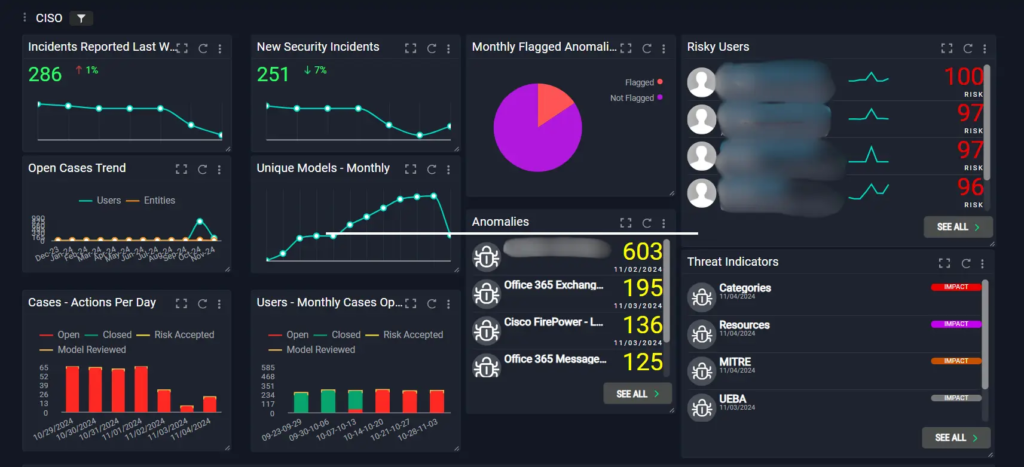
Management teams now provide boards with regular risk dashboards that track emerging threats and mitigation strategies.
Director expertise requirements
Boards are increasingly recruiting directors with expertise in cybersecurity, regulatory compliance, technology governance, and operational resilience.
Risk literacy is becoming a prerequisite for effective board participation.

Enterprise Risk Management: The Framework Behind Modern Risk Control
The growing focus on board-level risk control is closely tied to the adoption of Enterprise Risk Management (ERM) frameworks.
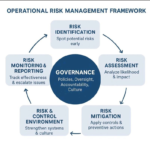
ERM represents a structured approach to identifying, assessing, and managing risks across an entire organization.
Rather than treating risks individually within departments, ERM integrates risk oversight into strategy and decision-making.
Key components of ERM typically include:
- Identification of strategic, operational, financial, and compliance risks
- Quantitative and qualitative risk assessment
- Risk appetite definition
- Scenario planning and stress testing
- Internal control systems
- Continuous monitoring and reporting
Organizations frequently align their ERM programs with recognized frameworks such as the COSO ERM framework, which provides guidance for integrating risk management into governance and strategy.
For boards, ERM provides visibility.
Instead of reacting to individual incidents, directors gain a comprehensive view of the company’s overall risk exposure.
Cybersecurity: The Risk That Accelerated Board Engagement
Among all risk categories, cybersecurity has perhaps been the most influential in pushing risk control into the boardroom.
Major breaches affecting companies such as Target, Equifax, and SolarWinds demonstrated that cyber incidents can create massive financial, legal, and reputational consequences.
Boards now recognize cybersecurity as a governance issue rather than just an IT problem.
In response, many companies have implemented new governance practices:
- Regular cybersecurity briefings for board members
- Appointment of Chief Information Security Officers (CISOs) reporting to senior leadership
- Independent cybersecurity audits
- Board-level incident response simulations
The SEC’s 2023 cybersecurity disclosure rules further elevated board responsibility by requiring public companies to report material cyber incidents and describe board oversight of cyber risk.
This regulatory shift effectively placed cybersecurity squarely within board governance responsibilities.
Supply Chain Resilience and Operational Risk
The COVID-19 pandemic was another turning point for board-level risk oversight.
Supply chain disruptions revealed that many companies had limited visibility into their supplier networks.
Shortages of critical components—from semiconductors to medical equipment—demonstrated how quickly operational risk can escalate.
Boards began asking deeper questions:
- Where are our critical suppliers located?
- How concentrated is our sourcing?
- What contingency plans exist for disruptions?
- How quickly can we shift production if needed?
In response, many organizations have invested in:
- supplier diversification
- digital supply chain monitoring
- nearshoring strategies
- inventory buffer planning
Risk control in supply chains has become a strategic resilience issue rather than simply a procurement concern.
The Role of Data and Technology in Risk Monitoring
Modern risk control increasingly depends on advanced data analytics.
Boards and executives now rely on technology platforms that provide near-real-time visibility into risk exposure.
Examples include:
- cybersecurity monitoring systems
- fraud detection algorithms
- regulatory compliance dashboards
- supply chain tracking software
- financial risk modeling tools
Artificial intelligence is also beginning to play a role in risk prediction by identifying patterns and anomalies in large datasets.
However, these technologies introduce their own governance challenges.
Boards must ensure that data governance, algorithm transparency, and ethical oversight remain part of the risk management conversation.
Risk Culture: The Human Side of Risk Control
While frameworks and technology are essential, many experts emphasize that organizational culture plays a critical role in effective risk management.
A company may have formal controls in place, but if employees fear reporting problems or leadership prioritizes short-term gains over long-term stability, risks can escalate quickly.
Boards are increasingly evaluating whether their organizations promote a healthy risk culture.
Indicators of strong risk culture include:
- open communication about emerging risks
- strong whistleblower protections
- accountability for ethical behavior
- alignment between incentives and long-term strategy
- transparency in decision-making
Risk culture ultimately determines whether formal systems function effectively in practice.
Industries Where Board-Level Risk Control Is Advancing Fastest
Although risk governance is evolving across all sectors, some industries are moving particularly quickly.
Financial services
Banks and financial institutions have long operated under rigorous risk frameworks due to regulatory requirements.
Board-level risk committees are standard practice in this sector.
Healthcare
Hospitals and healthcare organizations face complex risks related to patient safety, cybersecurity, regulatory compliance, and data privacy.
Technology companies
Rapid innovation, data protection issues, and AI governance are forcing technology firms to expand risk oversight.
Energy and infrastructure
Companies managing critical infrastructure face operational, environmental, and geopolitical risks that require board-level supervision.
Manufacturing
Global supply chains and operational safety risks make comprehensive risk management essential.
Across these industries, directors increasingly view risk governance as a competitive advantage rather than merely a compliance obligation.
Frequently Asked Questions
Why is risk control becoming more important for corporate boards?
Risk control has become critical because modern businesses face complex threats—including cyberattacks, regulatory changes, and supply chain disruptions—that can significantly impact operations and reputation.
What is board-level risk oversight?
Board-level risk oversight refers to directors supervising how a company identifies, evaluates, and manages its major risks.
What is Enterprise Risk Management (ERM)?
Enterprise Risk Management is a structured framework that integrates risk identification and mitigation across an entire organization.
How do cybersecurity risks affect board governance?
Cyber incidents can cause financial loss, regulatory scrutiny, and reputational damage, making cybersecurity oversight a key responsibility for corporate boards.
Why do companies create board risk committees?
Risk committees provide specialized oversight of enterprise risk frameworks and help directors evaluate emerging threats more effectively.
How does risk culture affect corporate risk control?
A strong risk culture encourages transparency, ethical behavior, and early identification of potential problems.
What role does technology play in modern risk management?
Technology enables real-time monitoring, predictive analytics, and automated risk detection across business operations.
Which industries focus most heavily on risk governance?
Financial services, healthcare, technology, energy, and manufacturing are among the sectors with the most advanced risk oversight practices.
How do investors evaluate corporate risk management?
Investors increasingly assess how well companies identify and manage risk as part of their governance and sustainability evaluations.
Can strong risk control improve long-term performance?
Organizations with mature risk management frameworks tend to be more resilient during disruptions and better positioned for long-term growth.
Governance in an Era of Constant Uncertainty
Risk control is no longer simply about preventing losses.
It is about ensuring organizational resilience in an environment defined by uncertainty.
Boards that treat risk management as a strategic capability—rather than a compliance obligation—are better equipped to guide companies through technological disruption, regulatory shifts, and global instability.
Effective governance now requires a clear understanding of risk exposure, strong oversight frameworks, and a culture that encourages transparency and accountability.
For U.S. companies navigating increasingly complex operating environments, risk control has become a defining element of responsible leadership.
Executive Snapshot: Core Insights for Leaders
- Risk management has moved from compliance departments to corporate boardrooms.
- Cybersecurity and supply chain disruptions accelerated board involvement.
- Enterprise Risk Management frameworks provide structured oversight.
- Investors and regulators increasingly evaluate corporate risk governance.
- Technology enables real-time risk monitoring but introduces new governance challenges.
- Organizational culture plays a crucial role in identifying and managing risk early.