
Summary
Modern companies are growing through smarter business models rather than simply larger marketing budgets. From subscription services and digital marketplaces to data-driven platforms and ecosystem strategies, today’s most successful firms design revenue models that scale efficiently. This analysis explores the key business models driving modern growth, why they work, and how companies apply them in real-world markets.
Growth rarely comes from a single breakthrough product anymore. In today’s economy, sustainable expansion is increasingly driven by the structure of the business model itself. Companies that scale successfully—from software platforms to consumer brands—often do so because their revenue systems, pricing strategies, and customer relationships are designed for long-term growth.
“Growth Watch” frameworks used by venture capital firms, analysts, and strategic planners increasingly focus on how businesses make money, retain customers, and expand market reach, not just what they sell.
Modern growth leaders build business models that emphasize recurring revenue, network effects, and operational efficiency. These models enable companies to expand without proportional increases in cost—an essential feature in competitive global markets.
This article explores the most influential business models shaping modern growth, the economic logic behind them, and how companies are using them to scale.
Why Business Models Matter More Than Ever
Over the last two decades, technology has dramatically lowered the barriers to launching new products. Cloud infrastructure, global logistics, and digital marketing have made it easier than ever to build companies.
However, competition has increased just as rapidly.
According to the U.S. Small Business Administration, the United States sees over 5 million new business applications each year, creating intense competition across industries.
As a result, companies that grow sustainably typically do so because they:
- Generate predictable revenue
- Build long-term customer relationships
- Scale operations without proportional cost increases
- Use data to continuously refine offerings
A strong business model allows companies to grow even when markets become saturated.
The Subscription Model: Predictable Growth Through Recurring Revenue
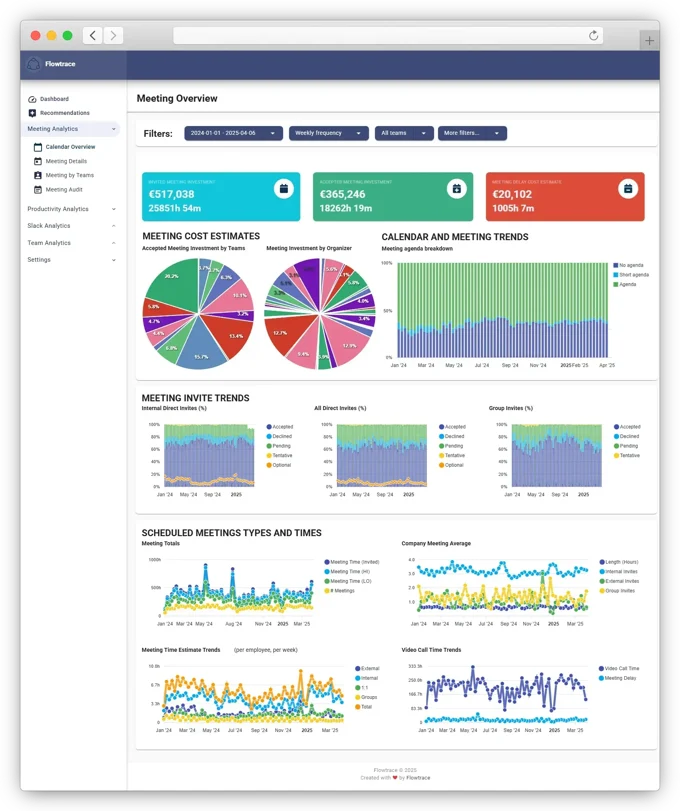
One of the most widely adopted modern business models is the subscription model, where customers pay a recurring monthly or annual fee for continued access to a product or service.
The success of subscription models lies in revenue predictability and customer lifetime value.
Instead of relying on one-time purchases, companies generate ongoing income streams.
Industries that have embraced subscriptions include:
- Software (SaaS)
- Streaming media
- Fitness platforms
- Consumer goods
- Education services
Examples include companies like Netflix, Adobe, and Salesforce.
According to research from Zuora’s Subscription Economy Index, subscription-based businesses have grown nearly five times faster than traditional S&P 500 revenue over the past decade.
Key advantages of subscription models include:
- Consistent revenue forecasting
- Strong customer retention incentives
- Easier upselling and cross-selling opportunities
- Reduced reliance on constant new customer acquisition
However, subscription models succeed only when companies continuously deliver value. Customers cancel quickly if perceived benefits decline.
Marketplace Platforms: Growth Through Network Effects
Marketplace platforms connect buyers and sellers, creating ecosystems that grow stronger as participation increases.
Examples include companies such as:
- Airbnb
- Uber
- Etsy
- Amazon Marketplace
The power of marketplace models lies in network effects.
As more participants join a platform, the value of the platform increases for everyone.
For instance:
- More sellers attract more buyers.
- More buyers encourage more sellers to participate.
This self-reinforcing cycle can create powerful competitive advantages.
Key characteristics of successful marketplace platforms include:
- Low friction for new participants
- Strong trust and safety systems
- Transparent pricing and reviews
- Scalable infrastructure
However, building liquidity—ensuring enough supply and demand—remains one of the hardest challenges in early marketplace growth.
Freemium Strategies: Lowering Barriers to Adoption
Freemium business models offer a basic product or service for free while charging for premium features.
This strategy works particularly well for digital products with low marginal costs.
Companies using freemium models include:
- Slack
- Dropbox
- Zoom
- Spotify
The goal is to maximize product adoption first, then convert a portion of users into paying customers.
Freemium works best when:
- The free version demonstrates clear value
- Premium features significantly improve productivity or experience
- Upgrading is simple and frictionless
In many cases, enterprise conversions drive revenue growth. For example, teams begin using free tools before companies eventually purchase organizational plans.

Data-Driven Platforms: Turning Information into Competitive Advantage
Another powerful growth model involves leveraging data as a core asset.
Data-driven companies use customer behavior, analytics, and machine learning to improve products and optimize revenue strategies.
Industries where this model dominates include:
- Digital advertising
- e-commerce
- logistics
- fintech
Companies such as Amazon and Google have built enormous growth engines by continuously analyzing user behavior.
Data-driven growth allows companies to:
- Personalize recommendations
- Optimize pricing
- Predict demand
- Improve operational efficiency
For example, McKinsey research shows that companies using advanced analytics effectively can increase operating margins by up to 20%.
However, data-driven growth also requires strong privacy governance and regulatory compliance.
Ecosystem Business Models: Building Interconnected Value
Some of the most successful modern companies no longer operate as standalone businesses. Instead, they build entire ecosystems of products and services.
An ecosystem model integrates multiple offerings that reinforce each other.
Well-known ecosystem examples include:
- Apple’s hardware, software, and services ecosystem
- Amazon’s retail, cloud, and logistics network
- Microsoft’s enterprise software and cloud platforms
Ecosystem strategies create growth through customer lock-in and cross-product synergy.
Once customers rely on several interconnected services, switching becomes less attractive.
Benefits of ecosystem models include:
- Higher customer lifetime value
- Multiple revenue streams
- Reduced churn
- Strategic competitive barriers
However, building ecosystems requires strong product integration and long-term investment.
Direct-to-Consumer (DTC): Owning the Customer Relationship
Direct-to-consumer brands bypass traditional retail channels and sell directly to customers through digital platforms.
This model became especially prominent during the rise of e-commerce and social media marketing.
Companies using DTC strategies include brands such as:
- Warby Parker
- Allbirds
- Casper
- Glossier
By selling directly to consumers, companies gain access to valuable customer insights.
Advantages include:
- Higher margins compared to wholesale distribution
- Strong brand storytelling opportunities
- Direct feedback loops from customers
- Control over pricing and marketing
However, the DTC model has become increasingly competitive as digital advertising costs rise.
Successful brands now rely heavily on community building and repeat purchases, not just acquisition campaigns.
Hybrid Models: Combining Multiple Growth Engines
Many modern companies combine several business models rather than relying on just one.
Hybrid strategies allow organizations to diversify revenue and reduce risk.
Examples include:
- Amazon combining marketplace, subscription (Prime), and cloud services
- Apple combining hardware sales, subscriptions, and app marketplace revenue
- Shopify combining software subscriptions and payment processing
Hybrid models allow companies to create layered value propositions that reinforce growth.
Key benefits include:
- Multiple revenue streams
- Reduced dependency on single products
- Greater resilience during market shifts
However, managing hybrid models requires strong operational coordination.
What Makes a Business Model Scalable?
Not every business model leads to sustainable growth. Analysts evaluating modern companies often look for several indicators of scalability.
Key growth signals include:
- High customer lifetime value (CLV)
- Low customer acquisition costs (CAC)
- Strong retention rates
- Operational leverage
- Network effects
Companies with scalable models can grow revenue faster than expenses, which allows them to reinvest profits into expansion.
In contrast, businesses that require constant new sales just to maintain revenue often struggle to achieve sustainable growth.
Frequently Asked Questions
What is a business model?
A business model describes how a company creates value, delivers products or services, and generates revenue.
Why are subscription models popular?
Subscription models provide predictable revenue and encourage long-term customer relationships, which improves financial stability.
What are network effects in business?
Network effects occur when a product or platform becomes more valuable as more people use it.
What is a freemium business model?
Freemium models offer basic services for free while charging for advanced features or premium experiences.
What makes a marketplace platform successful?
Successful marketplaces create trust between participants, maintain balanced supply and demand, and reduce friction in transactions.
What is customer lifetime value?
Customer lifetime value (CLV) estimates the total revenue a business can expect from a customer over the duration of the relationship.
Why are ecosystem strategies effective?
Ecosystem models integrate multiple products or services, increasing customer retention and creating multiple revenue streams.
Is direct-to-consumer still growing?
Yes, although competition and advertising costs have increased, many brands continue to succeed through strong brand identity and customer loyalty.
Can a company use multiple business models?
Yes. Many successful companies combine subscriptions, marketplaces, and product sales.
What role does data play in modern growth?
Data allows companies to personalize experiences, optimize pricing, and improve operational efficiency.
Designing Growth Engines for the Next Decade
The most successful companies of the next decade will likely be those that engineer growth into their business models from the beginning.
Rather than relying solely on marketing or expansion strategies, modern leaders build organizations where the structure of the business naturally drives scale.
Whether through subscriptions, marketplaces, ecosystems, or hybrid models, the core principle remains the same: growth becomes sustainable when the model itself compounds value over time.
Companies that understand this shift are better positioned to thrive in an increasingly competitive global economy.
Key Growth Model Insights at a Glance
- Modern growth is driven by business model design, not just product innovation
- Subscription models provide predictable, recurring revenue
- Marketplace platforms benefit from powerful network effects
- Freemium strategies accelerate product adoption
- Data-driven companies continuously improve products and pricing
- Ecosystem models create strong customer retention
- Direct-to-consumer brands gain control over customer relationships
- Hybrid strategies combine multiple revenue engines