Summary
Growth Watch analysis highlights several U.S. industries gaining steady momentum outside the usual headlines. By tracking investment flows, hiring patterns, and technological adoption, analysts are identifying sectors quietly expanding across energy, logistics, digital infrastructure, and healthcare services. Understanding these trends can help investors, entrepreneurs, and professionals recognize emerging opportunities before they become widely recognized.
Understanding the Concept of “Growth Watch”
In today’s fast-moving economy, some of the most meaningful business developments happen quietly. While media attention often focuses on high-profile industries such as artificial intelligence or electric vehicles, a number of other sectors are building momentum in less visible ways.
The concept behind Growth Watch is straightforward: monitor signals that suggest industries are entering sustained expansion. These signals typically include capital investment trends, hiring growth, new regulatory support, infrastructure spending, and adoption of emerging technologies.
Economists and market analysts often examine several indicators when identifying early-stage growth:
- Venture capital and private equity funding patterns
- Expansion in workforce demand and job postings
- Federal and state policy initiatives
- Supply chain investment and infrastructure development
- Rising demand from consumers or enterprise customers
According to data from the U.S. Bureau of Labor Statistics, sectors tied to infrastructure modernization, healthcare services, and logistics have shown consistent employment growth in recent years. Meanwhile, the International Energy Agency and U.S. Department of Energy report steady increases in investment across renewable power infrastructure and energy storage.
These signals rarely appear all at once. Instead, they accumulate gradually—forming a pattern that analysts refer to as quiet momentum.

Why Some Industries Grow Quietly Before Gaining Attention
Industries often gain momentum well before they become widely recognized by the public. This happens for several reasons.
First, foundational sectors rarely receive the same media coverage as consumer-facing innovations. For example, warehouse automation or grid-scale battery storage may not capture headlines the way consumer technology does, yet both represent major economic shifts.
Second, growth in these sectors tends to occur through long-term infrastructure projects and enterprise adoption, which unfold over years rather than months.
Third, investors and policy makers frequently focus on systemic problems—such as supply chain resilience or aging infrastructure—before broader public awareness emerges.
A few structural forces currently shaping quieter industry growth include:
- The modernization of U.S. infrastructure
- Increasing demand for domestic manufacturing capacity
- Aging demographics driving healthcare services
- Expansion of digital infrastructure supporting cloud computing
- Energy transition initiatives supported by federal legislation
These drivers are influencing investment decisions across multiple sectors simultaneously.
Logistics Technology and Smart Warehousing
One industry gaining steady traction is logistics technology, particularly smart warehousing systems designed to improve supply chain efficiency.
The disruptions of the early 2020s revealed vulnerabilities in global supply networks. As a result, many U.S. companies have increased investments in domestic distribution infrastructure and warehouse automation.
Smart warehouses integrate several technologies:
- Robotics for automated picking and sorting
- AI-powered inventory forecasting
- Autonomous mobile robots moving goods across facilities
- Advanced tracking systems connected to cloud platforms
According to McKinsey & Company, the warehouse automation market could grow significantly over the next decade as retailers and manufacturers seek greater efficiency and resilience.
For example, large retailers are deploying robotic fulfillment centers that reduce processing time while improving inventory accuracy. Meanwhile, mid-sized manufacturers are adopting modular automation solutions that allow gradual upgrades without replacing entire facilities.
Growth Watch analysts point to hiring patterns in robotics engineering, logistics software development, and warehouse systems integration as early indicators of expansion in this sector.
Energy Storage and Grid Modernization
Another sector quietly gaining momentum is energy storage and grid modernization.
The expansion of renewable energy—especially solar and wind—has increased demand for large-scale battery storage systems that stabilize electricity supply. Energy storage allows utilities to store power during periods of high production and release it during peak demand.
Federal policy has accelerated investment in this area. The Inflation Reduction Act, passed in 2022, introduced tax incentives for clean energy projects and grid infrastructure.
Growth Watch analysts have observed several signals pointing to momentum:
- Increased deployment of grid-scale battery installations
- New manufacturing facilities for battery components
- Growing investment in transmission infrastructure
- Expansion of energy management software platforms
The U.S. Energy Information Administration reports that utility-scale battery capacity has been rising rapidly across several states, including California, Texas, and Arizona.
Although much public discussion focuses on electric vehicles, the infrastructure supporting energy storage may ultimately represent a much larger long-term economic transformation.

Digital Infrastructure and Data Centers
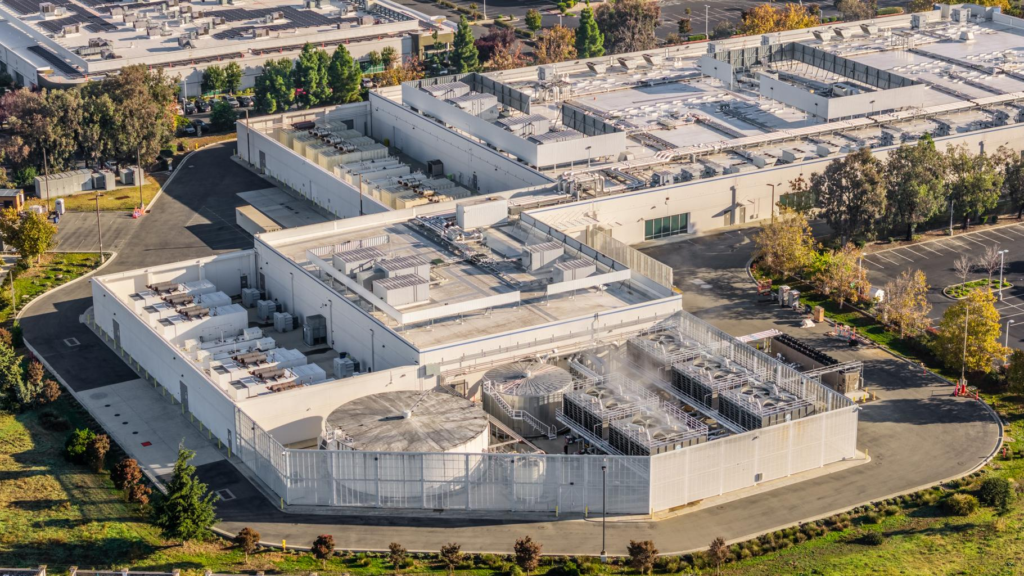
As businesses continue migrating operations to the cloud, demand for digital infrastructure has surged. Data centers, fiber networks, and edge computing facilities now serve as the backbone of modern commerce.
While cloud computing companies receive significant attention, the underlying infrastructure enabling those services is expanding even faster.
Growth Watch research highlights several developments:
- Increased construction of hyperscale data centers across the Midwest and Southeast
- Growing demand for fiber broadband expansion in rural areas
- Rapid adoption of edge computing facilities supporting real-time applications
According to Synergy Research Group, global spending on data center infrastructure has grown steadily as companies scale artificial intelligence workloads, enterprise software platforms, and streaming services.
Many states are offering tax incentives to attract new data center developments, creating regional hubs of digital infrastructure.
Advanced Manufacturing Reshoring
Manufacturing in the United States has undergone a gradual transformation over the past decade. While traditional factory jobs declined in earlier periods, modern advanced manufacturing facilities are increasingly returning to domestic production.
Several forces are driving this trend:
- Supply chain resilience concerns
- National security considerations for semiconductor production
- Federal incentives encouraging domestic manufacturing investment
Recent legislation, including the CHIPS and Science Act, supports the development of semiconductor fabrication plants and related supply chains within the United States.
Growth Watch analysts observe momentum in areas such as:
- Semiconductor manufacturing equipment
- Precision robotics used in advanced factories
- Industrial software platforms enabling smart manufacturing
New manufacturing plants are often built around highly automated production systems that require fewer workers but create significant demand for engineers, technicians, and software specialists.
Healthcare Services and Aging Demographics
Healthcare services represent another sector quietly expanding due to demographic trends.
The United States is experiencing a steady increase in the population aged 65 and older. According to projections from the U.S. Census Bureau, older adults will make up a significantly larger share of the population over the coming decades.
This demographic shift is driving demand for services such as:
- Home healthcare and remote patient monitoring
- Outpatient clinics and specialized medical services
- Telehealth platforms supporting chronic disease management
Unlike pharmaceutical breakthroughs, which often capture media attention, many of these healthcare services grow gradually through regional provider networks and insurance partnerships.
Healthcare employment trends tracked by the Bureau of Labor Statistics show continued expansion in home health aides, nurse practitioners, and healthcare support roles.
Sustainable Materials and Circular Manufacturing
Another emerging trend involves sustainable materials and circular manufacturing processes.
Manufacturers across multiple industries are investing in technologies that reduce waste, reuse materials, and improve resource efficiency. These innovations include advanced recycling systems, biodegradable packaging materials, and new manufacturing techniques that minimize environmental impact.
Several factors are contributing to growth in this sector:
- Corporate sustainability commitments
- Increasing consumer demand for environmentally responsible products
- Regulatory changes affecting waste management and packaging
Growth Watch data suggests that startups focused on materials innovation—such as recyclable polymers and carbon-neutral manufacturing techniques—are attracting increasing venture capital investment.
While these companies may not yet be household names, their technologies could shape future manufacturing practices across industries.
What Signals Indicate an Industry Is Gaining Momentum?
For professionals, investors, and entrepreneurs, recognizing early-stage growth signals can be valuable.
Growth Watch analysts often track patterns such as:
- Rising hiring demand in specialized technical roles
- Regional infrastructure investments tied to new industries
- Government funding initiatives supporting research or production
- Corporate capital expenditures in new facilities and equipment
- Increasing merger and acquisition activity within emerging sectors
These indicators typically appear before widespread public attention.
For example, a surge in job postings for battery engineers or warehouse robotics specialists can signal underlying industry expansion long before major companies announce large-scale projects.
Frequently Asked Questions
What is Growth Watch?
Growth Watch refers to the practice of monitoring economic indicators that signal emerging industry expansion, such as investment flows, hiring trends, and infrastructure development.
Why do some industries grow without much media coverage?
Many foundational sectors—such as logistics infrastructure or energy storage—expand gradually through enterprise adoption and infrastructure projects, which receive less media attention than consumer technologies.
Which industries are currently showing quiet momentum?
Logistics technology, energy storage, digital infrastructure, advanced manufacturing, healthcare services, and sustainable materials are among the sectors showing steady growth signals.
How can investors identify emerging industries early?
Investors often track venture capital activity, government policy initiatives, hiring trends, and corporate capital spending to identify industries gaining momentum.
Why is energy storage becoming important?
Energy storage helps stabilize electricity grids by storing renewable energy and releasing it when demand increases, making it essential for large-scale renewable power adoption.
How is logistics technology evolving?
Logistics technology increasingly uses robotics, artificial intelligence, and automated systems to improve warehouse efficiency and supply chain reliability.
What role does government policy play in industry growth?
Federal legislation, tax incentives, and infrastructure spending can significantly accelerate industry development by reducing investment risk and encouraging innovation.
Why is healthcare services growth expected to continue?
An aging population is increasing demand for healthcare services, including home care, outpatient treatment, and telehealth platforms.
What is reshoring in manufacturing?
Reshoring refers to bringing manufacturing production back to the United States from overseas, often using advanced automation and modern factory technologies.
How can professionals benefit from tracking Growth Watch trends?
Understanding emerging industry trends can help professionals identify career opportunities, guide business strategy, and anticipate economic shifts.
Looking Ahead: The Industries That May Define the Next Decade
While attention often centers on high-profile technologies, long-term economic transformation frequently begins in less visible sectors.
Growth Watch observations suggest that logistics automation, grid-scale energy infrastructure, digital connectivity, advanced manufacturing, and healthcare services are steadily reshaping the U.S. economy.
These industries share several characteristics: they solve structural challenges, attract sustained investment, and support other sectors of the economy.
Over time, quiet momentum often turns into mainstream recognition. By the time an industry dominates headlines, much of its foundational growth has already occurred.
Understanding these early signals can provide valuable insight into where the next wave of economic expansion may emerge.
Key Signals to Watch in Emerging Industries
- Infrastructure investment often precedes rapid industry expansion
- Hiring trends reveal where technical demand is increasing
- Government policy can accelerate sector growth
- Digital infrastructure continues expanding alongside cloud computing
- Energy storage and grid modernization are becoming central to renewable power adoption