Summary
Risk control is a core component of long-term business resilience. Organizations that identify, monitor, and mitigate operational, financial, and strategic risks are better equipped to withstand disruptions and adapt to changing conditions. Effective risk control systems help companies reduce losses, strengthen decision-making, maintain stakeholder confidence, and sustain growth even during economic uncertainty or unexpected events.
Why Risk Control Matters More Than Ever
Modern businesses operate in an environment defined by complexity. Supply chains span continents, regulations evolve frequently, and digital technologies introduce both opportunities and vulnerabilities. In this landscape, risk control is not simply about preventing losses—it is about enabling organizations to remain stable, adaptable, and competitive over time.
The COVID-19 pandemic illustrated how quickly disruptions can affect even well-established companies. According to a 2023 global survey by Deloitte, over 80% of executives reported that risk management capabilities significantly influenced their organization’s ability to respond to major disruptions. Businesses that had established risk control processes were able to shift operations, protect financial stability, and maintain continuity more effectively.
Risk control, when integrated into everyday operations, helps organizations anticipate challenges rather than react to them after damage occurs. It also encourages more informed decision-making, allowing leaders to pursue growth opportunities while understanding the associated risks.
For American companies navigating economic shifts, cybersecurity threats, regulatory changes, and evolving customer expectations, risk control has become a fundamental element of business resilience.
Understanding Risk Control in Practical Terms
Risk control refers to the policies, procedures, and systems organizations use to identify potential threats and reduce their impact. These risks can take many forms, including financial instability, operational disruptions, compliance violations, technological failures, and reputational damage.
At its core, risk control focuses on two fundamental objectives:
- Reducing the likelihood of harmful events
- Minimizing the impact if those events occur
In practice, risk control often includes measures such as internal audits, cybersecurity protections, compliance programs, contingency planning, and operational safeguards.
For example, a mid-sized manufacturing company may implement several risk control strategies simultaneously. These might include monitoring supplier reliability, maintaining safety protocols for employees, securing IT infrastructure, and maintaining insurance coverage against unexpected losses.
By combining these measures, the organization reduces its vulnerability to both operational disruptions and financial setbacks.

The Connection Between Risk Control and Business Resilience
Business resilience refers to an organization’s ability to adapt to disruptions while maintaining core operations. While resilience involves flexibility and strategic planning, risk control provides the structure that supports those capabilities.
Without risk control systems, organizations often discover vulnerabilities only after a crisis occurs. With risk control in place, companies can detect warning signs earlier and respond proactively.
Key ways risk control strengthens resilience include:
- Early identification of emerging threats
- Structured decision-making during crises
- Improved operational continuity
- Protection of financial stability
- Increased stakeholder confidence
For example, financial institutions in the United States maintain extensive risk control frameworks designed to monitor liquidity, credit exposure, and market volatility. These systems enable banks to detect potential financial stress early and take corrective action before it escalates.
Similarly, technology companies often use risk monitoring systems to detect cybersecurity threats in real time, reducing the potential damage from data breaches.
Common Business Risks That Require Active Control
Businesses face a wide range of risks that can affect long-term stability. While the specific risks vary by industry, several categories appear consistently across organizations.
Operational Risks
Operational risks arise from failures in internal processes, human error, or system breakdowns. These risks can interrupt production, disrupt services, or create safety hazards.
Examples include equipment failure in manufacturing, system outages in technology firms, or logistical disruptions in supply chains.
Financial Risks
Financial risks involve factors that threaten an organization’s financial health. These can include credit risk, market fluctuations, liquidity shortages, or unexpected expenses.
For example, a company heavily dependent on short-term financing may face challenges if interest rates rise rapidly.
Cybersecurity Risks
Digital transformation has introduced new vulnerabilities. Cyberattacks, data breaches, and ransomware incidents have become major concerns for businesses of all sizes.
According to the IBM Cost of a Data Breach Report 2023, the average cost of a data breach in the United States reached $9.48 million, highlighting the financial importance of cybersecurity risk control.
Regulatory and Compliance Risks
U.S. businesses operate within complex regulatory frameworks that vary by industry. Failure to comply with regulations can result in fines, lawsuits, or reputational damage.
Industries such as healthcare, finance, and energy often face particularly strict regulatory oversight.
Building an Effective Risk Control Framework
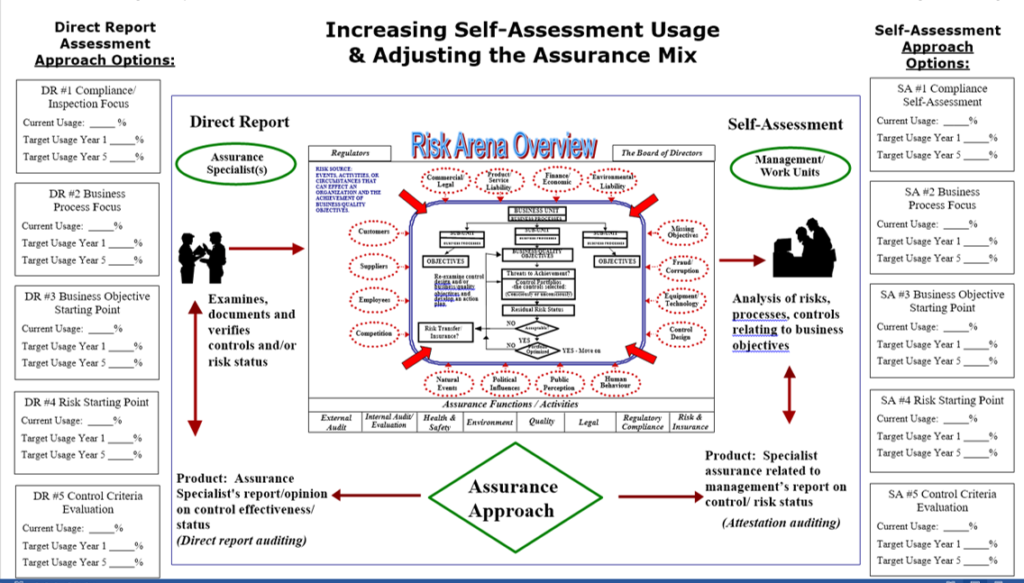
Developing a strong risk control system requires more than isolated policies. Organizations must create integrated frameworks that support risk awareness at every level.
A typical risk control framework includes several core components:
- Risk identification through regular assessments and audits
- Risk evaluation to determine potential severity and likelihood
- Control measures designed to reduce or eliminate vulnerabilities
- Monitoring systems that track risks over time
- Response planning for managing incidents when they occur
Large corporations often formalize these processes within enterprise risk management (ERM) programs. However, smaller businesses can adopt similar principles on a scaled basis.
For example, a small logistics company may conduct quarterly risk reviews to evaluate safety procedures, vendor reliability, and financial exposure. While the process may be simpler than a large corporation’s ERM system, it still improves resilience.
Leadership’s Role in Risk Control
Risk control is most effective when supported by leadership. Senior executives and board members set the tone for how risk is perceived and managed within an organization.
When leadership actively prioritizes risk management, employees are more likely to report concerns, follow procedures, and participate in prevention efforts.
Leaders typically contribute to risk control by:
- Establishing clear governance structures
- Allocating resources to risk management programs
- Encouraging transparency in reporting risks
- Integrating risk considerations into strategic planning
In many American organizations, boards of directors now maintain dedicated risk or audit committees responsible for overseeing risk management practices.
This oversight helps ensure that risk control remains aligned with long-term business objectives.
Technology’s Growing Role in Risk Monitoring
Advances in technology have transformed how organizations manage risk. Modern analytics tools can detect patterns and anomalies that may indicate emerging problems.
Examples include:
- Cybersecurity monitoring systems that detect suspicious network activity
- Supply chain analytics that identify potential disruptions
- Financial monitoring software that tracks liquidity and market exposure
- Predictive analytics tools that forecast operational risks
For instance, retailers often use data analytics to monitor inventory levels across supply chains. When early warning signs of shortages appear, companies can adjust procurement strategies before disruptions occur.
Technology does not eliminate risk entirely, but it improves the speed and accuracy with which organizations detect potential threats.
Practical Examples of Risk Control in Action
Real-world examples help illustrate how risk control contributes to resilience.
Supply Chain Diversification
During global supply chain disruptions, companies with diversified supplier networks experienced fewer production delays. Organizations that relied heavily on a single supplier often faced extended shutdowns.
Diversifying suppliers is a practical risk control measure that reduces dependency on any single source.
Cybersecurity Preparedness
A healthcare provider that regularly tests its cybersecurity defenses may detect vulnerabilities before hackers exploit them. Routine security audits and employee training programs significantly reduce the likelihood of data breaches.
Financial Contingency Planning
Businesses that maintain emergency reserves or credit lines are better prepared to manage sudden economic downturns. Financial buffers provide flexibility during periods of reduced revenue.
These examples demonstrate that risk control is not theoretical—it directly affects operational continuity and financial stability.
How Small and Mid-Sized Businesses Can Improve Risk Control
Large corporations often have dedicated risk management departments, but smaller businesses can implement effective risk control strategies as well.
Key steps include:
- Conducting periodic risk assessments
- Documenting operational procedures
- Establishing cybersecurity safeguards
- Reviewing insurance coverage
- Developing emergency response plans
Even modest improvements can significantly reduce vulnerability.
For example, implementing multi-factor authentication across company systems is a relatively simple measure that dramatically improves cybersecurity protection.
Small businesses that take risk control seriously often recover faster from disruptions and maintain stronger relationships with customers and partners.

Frequently Asked Questions
What is risk control in business?
Risk control refers to strategies and processes designed to identify potential threats and reduce their likelihood or impact on an organization.
How does risk control support business resilience?
By identifying vulnerabilities early and implementing safeguards, risk control enables organizations to maintain operations during disruptions.
What types of risks do companies typically manage?
Businesses commonly manage operational, financial, cybersecurity, compliance, and reputational risks.
Is risk control only important for large corporations?
No. Small and mid-sized businesses benefit significantly from risk control practices, particularly in areas like cybersecurity and financial planning.
What is the difference between risk management and risk control?
Risk management is the overall process of identifying and analyzing risks, while risk control focuses on the actions taken to reduce those risks.
How often should businesses review risk control measures?
Most organizations conduct formal risk assessments annually, with continuous monitoring for critical risks.
Can technology replace traditional risk management processes?
Technology enhances risk monitoring but does not replace governance, leadership oversight, and human decision-making.
What industries rely most heavily on risk control?
Financial services, healthcare, energy, and manufacturing industries often maintain extensive risk control systems due to regulatory and operational complexity.
What role does insurance play in risk control?
Insurance transfers financial risk, helping organizations recover from unexpected losses such as accidents or natural disasters.
How can companies create a culture of risk awareness?
Leadership support, employee training, and open reporting systems encourage employees to identify and communicate potential risks.
Building Stability for the Long Run
Risk control is not simply a defensive strategy. When implemented thoughtfully, it becomes a foundation for sustainable growth and long-term resilience.
Organizations that proactively monitor risks are better positioned to navigate economic uncertainty, technological change, and operational disruptions. By embedding risk awareness into everyday decision-making, businesses create stronger systems capable of adapting to evolving conditions.
Over time, these practices foster confidence among employees, customers, investors, and regulators—an essential ingredient for long-term stability.
Key Lessons at a Glance
- Risk control helps organizations anticipate and reduce potential threats
- Strong risk frameworks improve business resilience during disruptions
- Technology is increasingly important for monitoring emerging risks
- Leadership involvement strengthens risk awareness across organizations
- Both large corporations and small businesses benefit from structured risk control