Summary
Across the United States, investors are quietly reshaping their portfolios. Traditional stock-and-bond allocations are giving way to diversified strategies that include private markets, Treasury ladders, dividend income, and alternative assets. Rising interest rates, inflation concerns, and longer life expectancies are pushing Americans—from retirees to young professionals—to rethink how portfolios generate stability, growth, and income.
A Subtle but Meaningful Transformation
If you compare a typical U.S. investment portfolio from a decade ago with one being built today, the differences are striking—but not loudly advertised.
For years, the standard guidance for American investors revolved around a simple framework: the 60/40 portfolio—roughly 60% stocks and 40% bonds. It served generations of investors well during decades of falling interest rates and strong equity growth.
But the environment has changed.
Persistent inflation after 2021, rising Treasury yields, market volatility, and shifting retirement patterns are prompting many investors to adjust how their money is allocated. Rather than abandoning traditional investments, investors are quietly expanding the toolkit.
Today’s portfolios increasingly include:
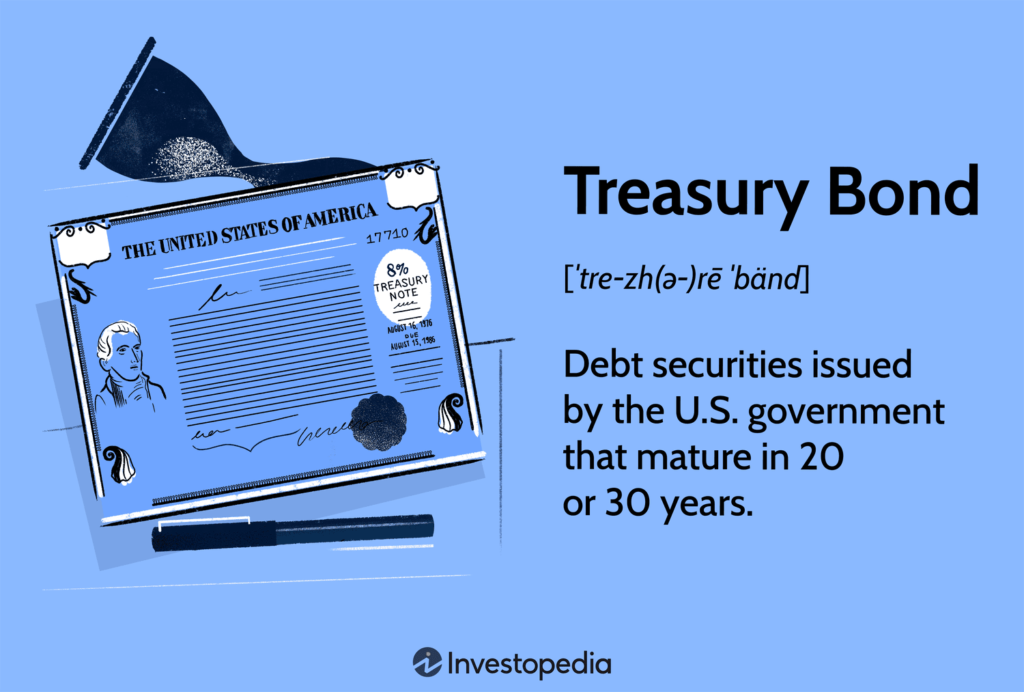
- Short-term Treasuries and bond ladders
- Dividend-focused equities
- Real assets like infrastructure and commodities
- Private market exposure through funds
- Cash equivalents yielding meaningful income
None of these changes alone is revolutionary. Together, however, they signal a broader rethinking of portfolio construction across the U.S.

Why Investors Are Moving Beyond the Traditional 60/40 Portfolio
The classic 60/40 allocation assumed something that investors no longer take for granted: bonds would reliably offset stock market declines.
That relationship weakened during the inflation shock of 2022, when both stocks and bonds declined simultaneously. The experience forced investors and advisors to reconsider whether traditional diversification alone is sufficient.
Several structural forces are driving this shift.
First, interest rates are no longer near zero. After the Federal Reserve’s aggressive tightening cycle, Treasury yields rose to levels not seen in more than a decade. Suddenly, fixed-income strategies that once produced minimal income became meaningful again.
Second, inflation risk remains present. While inflation has cooled from its peak, many households and institutions now expect more volatility in prices over the next decade.
Third, retirement timelines are longer. Americans are living longer, and retirement can easily span 25–30 years. That creates a need for portfolios that generate reliable income while still growing.
Finally, the financial industry has simply expanded the menu of accessible investments. Exchange-traded funds, fractional shares, and digital brokerage platforms have made diversification easier than ever.
The result is not the abandonment of traditional portfolios—but a quiet expansion of them.
The Rise of Income-Focused Investing
One of the most visible changes in portfolio strategy is the renewed focus on income generation.
For years, many investors pursued growth above all else because income sources such as bonds and savings accounts paid very little. That calculus has changed.
Treasury bills now yield levels that were almost unthinkable just a few years ago. According to U.S. Treasury data, short-term government securities frequently yielded above 4–5% during 2024–2025.
As a result, many portfolios now incorporate income streams such as:
- Treasury bill ladders
- High-quality corporate bonds
- Dividend-paying stocks
- Preferred shares
- Income-focused ETFs
A simple example illustrates the shift.
A retiree in 2019 might have held a portfolio dominated by equity funds in search of yield. In 2025, the same investor might allocate a portion of savings to Treasury bills rolling every three months, generating predictable income while preserving capital.
The difference is subtle but meaningful: income is no longer scarce.
Cash Is No Longer “Dead Weight”
For most of the 2010s, financial advisors discouraged holding cash because savings accounts earned almost nothing.
Today that perspective is evolving.
High-yield savings accounts, money market funds, and Treasury-backed instruments can now produce 4–5% yields in many cases. While that may not outpace inflation over long periods, it offers stability and flexibility.
Investors are increasingly using cash strategically:
- As a volatility buffer during market downturns
- As dry powder for future investments
- As a short-term income source for retirees
- As a hedge against uncertain markets
Institutional investors have been particularly active here. U.S. money market funds crossed $6 trillion in assets during 2024, according to Investment Company Institute data.
For individuals, the lesson is simple: cash is no longer just idle money—it can be a functional part of a portfolio.

Private Markets Are Becoming More Accessible
Another quiet change involves exposure to private assets—investments not traded on public exchanges.
Historically, private equity, private credit, and infrastructure investments were largely reserved for institutions and ultra-wealthy investors.
That barrier is slowly changing.
New investment vehicles—including interval funds, non-traded REITs, and certain ETFs—are allowing broader investor access to private markets. While these investments still carry complexity and liquidity considerations, they are increasingly discussed in mainstream portfolio strategies.
Why the interest?
Private assets may offer:
- Different return drivers than public markets
- Potential inflation protection
- Long-term contractual cash flows
- Lower correlation with stock market movements
For example, infrastructure funds may invest in assets such as toll roads, pipelines, or renewable energy facilities that generate stable income over decades.
While not suitable for every investor, private markets are no longer confined to institutional portfolios.
The Growing Role of Real Assets
Real assets—investments tied to tangible economic activity—are becoming more prominent in portfolio discussions.
This category includes:
- Commodities
- Infrastructure
- Real estate
- Natural resources
These assets tend to perform differently from traditional equities and bonds, particularly during inflationary periods.
For instance, energy companies and commodity producers often benefit from rising prices for oil, natural gas, and raw materials.
Similarly, infrastructure assets often operate under long-term contracts with inflation-linked pricing.
Institutional investors such as pension funds have allocated to these areas for years. Retail investors are increasingly gaining access through ETFs and mutual funds.
The goal is not to replace stocks and bonds, but to add additional layers of diversification.
Younger Investors Are Building Portfolios Differently
The portfolio shift is not limited to retirees or wealth managers.
Millennial and Gen Z investors are approaching investing with a slightly different mindset than previous generations.
Several trends stand out:
- Greater use of low-cost index funds and ETFs
- Interest in thematic investments such as clean energy or AI
- Higher awareness of inflation risk
- Comfort using digital platforms for portfolio management
Younger investors also tend to blend long-term growth investments with shorter-term liquidity, maintaining flexible portfolios that can adapt to changing financial goals.
The rise of automated investing platforms and financial planning tools has made it easier for individuals to implement diversified strategies without relying exclusively on traditional advisory models.
Risk Management Is Quietly Becoming Central Again
Perhaps the most important shift is psychological rather than structural.
After the market turbulence of recent years—including pandemic volatility, inflation shocks, and geopolitical uncertainty—investors are paying more attention to risk management.
This doesn’t mean abandoning growth opportunities. Instead, investors are increasingly asking questions such as:
- What happens if inflation rises again?
- How would my portfolio perform during a recession?
- Do I have sufficient liquidity during a market downturn?
The answers often lead to modest portfolio adjustments—more income, more diversification, and more attention to asset correlation.
None of these changes dominate headlines, but collectively they represent a quieter evolution in portfolio construction.
What the Shift Means for Everyday Investors
For most Americans, the takeaway is not that they must radically restructure their investments.
Rather, the quiet shift suggests that flexibility matters more than rigid formulas.
Instead of strictly following a one-size-fits-all model, investors are increasingly combining strategies that balance growth, stability, and income.
A practical approach might include:
- Core stock index funds for long-term growth
- Treasury or bond ladders for income
- Cash equivalents for stability and opportunity
- Small allocations to alternative assets for diversification
This kind of layered strategy reflects how portfolios are evolving across the U.S.—not dramatically, but steadily.
Frequently Asked Questions
What is replacing the traditional 60/40 portfolio?
Nothing has fully replaced it, but many investors now use more flexible allocations that include real assets, cash equivalents, and private investments alongside stocks and bonds.
Why are Treasury bills becoming popular again?
Higher interest rates have pushed Treasury yields to levels that provide meaningful income with relatively low risk, making them attractive for both retirees and conservative investors.
Are alternative investments becoming mainstream?
They are becoming more accessible, though they still carry complexity and liquidity considerations. Many investors use them in small allocations for diversification.
Is holding cash a good investment now?
Cash itself is not a growth investment, but higher-yield savings accounts and money market funds can provide useful income and stability.
Are younger investors diversifying more than previous generations?
Many are. Digital platforms and low-cost ETFs have made diversified investing easier, and younger investors tend to combine growth investments with flexible liquidity.
Do dividend stocks still matter in modern portfolios?
Yes. Dividend-paying companies can provide steady income and may reduce volatility during uncertain markets.
How do real assets protect against inflation?
Assets such as commodities, infrastructure, and real estate often benefit from rising prices because their revenues are tied to economic activity or inflation-linked contracts.
Are private market investments risky?
They can be. Private investments typically have less liquidity and less transparency than public markets, so they should be evaluated carefully.
Should retirees change their portfolios now?
Retirees may benefit from reviewing income strategies, especially with higher bond and Treasury yields available today.
Is diversification still the most important investing principle?
Yes. While portfolio structures evolve, diversification remains one of the most effective ways to manage long-term investment risk.
The Portfolio Evolution Few People Are Talking About
Investment strategy rarely changes overnight. Instead, it evolves quietly as economic conditions, financial tools, and investor expectations shift.
That’s exactly what’s happening now.
Across the United States, portfolios are gradually expanding beyond rigid formulas. Investors are combining traditional assets with income strategies, real assets, and selective alternatives—all while maintaining diversification.
It’s not a revolution. But it is a meaningful evolution in how Americans think about building long-term financial resilience.
Key Signals Investors Are Watching
- Interest rates have revived the role of bonds and Treasury income.
- Cash and money market funds now serve strategic purposes.
- Real assets and infrastructure are gaining attention for inflation resilience.
- Private markets are becoming gradually accessible to retail investors.
- Younger investors are blending growth strategies with liquidity and flexibility.