Summary
Risk control has shifted from a compliance exercise to a strategic discipline shaping enterprise decisions. Modern organizations integrate risk intelligence into planning, operations, and investment choices. By combining analytics, governance frameworks, and cross-department collaboration, businesses can anticipate threats, allocate capital more effectively, and strengthen resilience in volatile markets.
Why Risk Control Has Become Central to Enterprise Strategy
For decades, risk control was largely treated as a back-office function. Its role was to ensure regulatory compliance, monitor financial exposures, and document internal controls. Today, that model has changed dramatically.
Globalization, digital transformation, cybersecurity threats, geopolitical instability, and regulatory complexity have created a business environment where uncertainty is constant. Executives increasingly recognize that risk awareness must be integrated directly into enterprise decision-making.
Instead of reacting to threats after they occur, modern organizations treat risk control as an early-warning system that informs strategic choices.
According to a 2023 global survey from the World Economic Forum, more than 60% of executives say systemic risks—cybersecurity, supply chain disruption, and economic volatility—are increasing in both frequency and severity.
This shift has led companies to rethink how risk control interacts with leadership, planning, and operational management.
Today, the most resilient organizations treat risk insight as decision intelligence, not merely risk avoidance.
From Compliance Function to Strategic Partner
Historically, risk management teams focused on documenting controls and satisfying auditors. While those responsibilities remain essential, risk control professionals now increasingly influence strategic planning.
In modern enterprises, risk control leaders often collaborate with:
- Strategy teams
- Finance departments
- Technology leadership
- Supply chain operations
- Executive management
Rather than asking “Are we compliant?”, organizations now ask broader questions:
- What risks could derail our strategy?
- Which risks are worth taking for growth?
- Where should we allocate capital to balance opportunity and exposure?
For example, when companies evaluate entering a new market, risk control teams help assess:
- Regulatory stability
- Currency volatility
- Political risk
- Infrastructure reliability
- Cybersecurity vulnerabilities
These insights allow executives to make informed choices rather than operating on incomplete assumptions.
The result is a more disciplined approach to expansion and investment.
What Is Enterprise Risk Control Today?
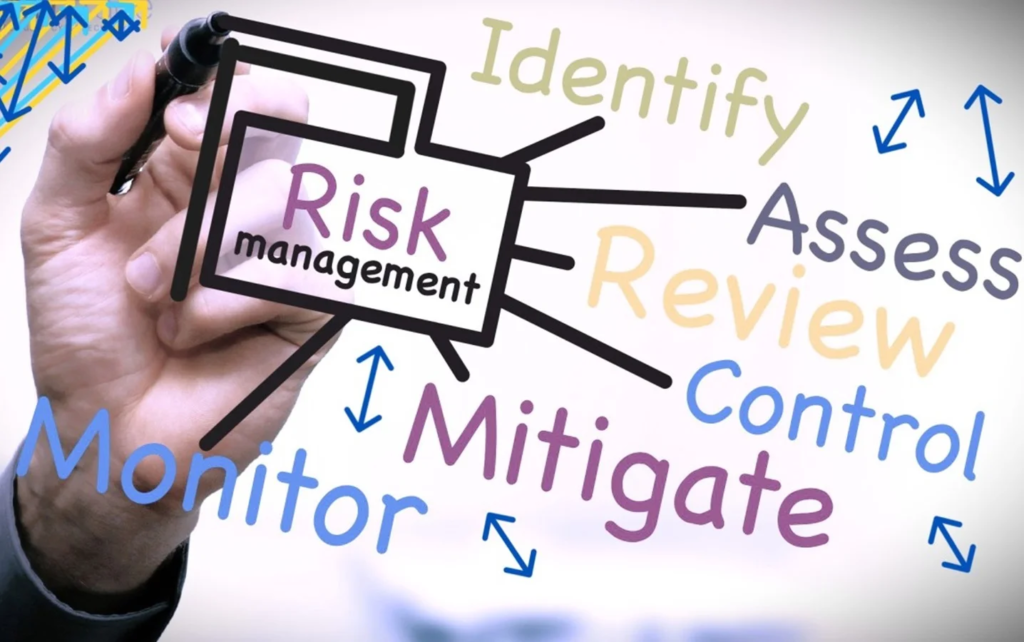
Risk control in modern enterprises involves structured processes designed to identify, measure, and mitigate uncertainties that could impact business objectives.
While frameworks vary across industries, most mature organizations use enterprise risk management (ERM) models influenced by organizations such as the Committee of Sponsoring Organizations of the Treadway Commission.
At its core, enterprise risk control includes several key functions:
- Identifying emerging risks across operations
- Evaluating the potential financial or operational impact
- Designing mitigation strategies
- Monitoring risk indicators
- Integrating risk insights into executive decision-making
This shift emphasizes risk transparency rather than risk elimination.
No enterprise can remove all uncertainty. Instead, effective risk control helps leadership understand where risk is acceptable and where it is not.
Major Forces Driving the Evolution of Risk Control
Several structural trends are reshaping how organizations approach risk.
1. Cybersecurity and Digital Exposure
Digital infrastructure now underpins nearly every enterprise process.
Cyberattacks have become one of the most significant business risks worldwide. According to data from the IBM Security Cost of a Data Breach Report, the average cost of a data breach reached $4.45 million globally in 2023.
Risk control teams now work closely with IT and cybersecurity units to evaluate:
- Data governance
- Vendor access risks
- Cloud infrastructure vulnerabilities
- Incident response readiness
Cyber risk is no longer purely a technical issue—it is a board-level strategic concern.
2. Supply Chain Fragility
Recent global disruptions—from pandemic shutdowns to geopolitical conflicts—have revealed how fragile supply chains can be.
Companies increasingly analyze risk across their entire supplier ecosystem.
Risk control professionals assess:
- Single-source supplier dependencies
- Logistics vulnerabilities
- Political instability in sourcing regions
- Inventory resilience
Many enterprises now incorporate supply-chain stress testing into strategic planning.
3. Regulatory Complexity
Regulatory oversight continues to expand across industries, particularly in areas like financial services, environmental compliance, and data protection.
For example, regulations such as the General Data Protection Regulation have reshaped how organizations manage personal data globally.
Companies operating internationally must coordinate compliance across multiple jurisdictions. Risk control teams help interpret regulations and design internal controls that prevent costly violations.
4. Data-Driven Decision Models
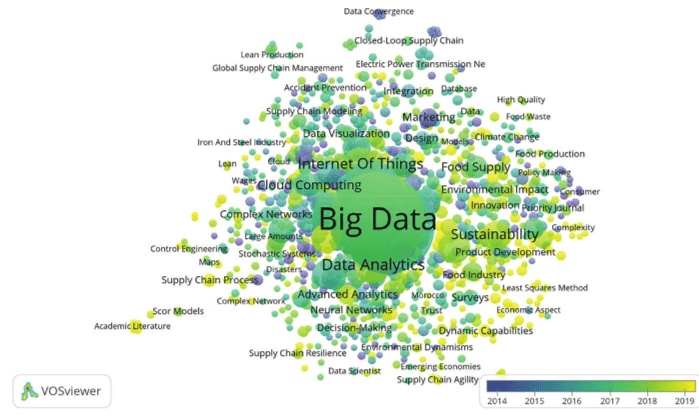
Advanced analytics and artificial intelligence are increasingly embedded in enterprise risk control.
Organizations now monitor Key Risk Indicators (KRIs) alongside traditional financial metrics.
These data signals can detect early warning signs of operational issues such as:
- unusual transaction patterns
- supplier delivery delays
- cybersecurity anomalies
- sudden market demand shifts
Predictive analytics enables organizations to identify threats before they escalate into crises.
How Risk Control Supports Executive Decision-Making
The real value of modern risk control lies in its ability to shape decisions at the leadership level.
Executives often face trade-offs between growth and exposure. Risk insight helps clarify these choices.
In practice, risk control teams contribute to decisions involving:
- mergers and acquisitions
- technology investments
- international expansion
- large capital projects
- new product launches
For example, before acquiring a company, risk specialists may evaluate:
- legal liabilities
- cybersecurity posture
- operational dependencies
- cultural integration risks
These insights can influence both valuation and negotiation strategies.
A well-structured risk assessment can prevent costly surprises after an acquisition closes.
Building a Risk-Aware Corporate Culture
Risk control is not solely a technical process—it is also a cultural one.
Organizations that manage risk effectively tend to foster an environment where employees feel responsible for identifying potential problems.
This culture includes:
- transparent communication of risks
- clear accountability structures
- training programs on operational risk awareness
- escalation channels for emerging issues
Companies that suppress internal warnings often face larger crises later.
Several major corporate failures—including the 2008 Financial Crisis—demonstrated how ignored risk signals can escalate into systemic disasters.
Encouraging open discussion about risk helps organizations detect problems earlier.
Real-World Example: Risk Control in Strategic Expansion
Consider a U.S. manufacturing company planning to expand operations into Southeast Asia.
The leadership team may initially focus on cost advantages and market access. However, a robust risk control process would broaden the evaluation.
Risk specialists might analyze:
- regional political stability
- infrastructure reliability
- trade policy volatility
- currency fluctuation risks
- intellectual property protection
If the analysis reveals high geopolitical risk in one country, executives may choose a different location or diversify across multiple manufacturing sites.
While expansion may still proceed, the strategy becomes more resilient.
The Role of Boards and Risk Committees
Corporate boards increasingly play a direct role in overseeing enterprise risk.
Many publicly traded companies maintain board-level risk committees responsible for monitoring critical exposures.
These committees review risk reports covering areas such as:
- cybersecurity readiness
- financial liquidity risks
- regulatory compliance
- climate-related risks
- strategic investment exposures
Board oversight helps ensure that risk considerations remain integrated into corporate governance rather than isolated within operational departments.
Technology Transforming Risk Control
New technologies are significantly improving how organizations monitor and manage risk.
Modern risk platforms integrate data across departments to provide real-time visibility into enterprise exposures.
Common tools now include:
- enterprise risk management (ERM) software
- predictive analytics platforms
- automated compliance monitoring
- AI-driven fraud detection
- integrated audit dashboards
These technologies allow risk teams to move beyond static reports and deliver actionable insights.
In many organizations, risk dashboards now sit alongside financial dashboards in executive briefings.
Challenges Organizations Still Face
Despite the progress in risk management practices, many enterprises still struggle to fully integrate risk control into decision-making.
Common challenges include:
- siloed data systems across departments
- lack of executive visibility into operational risks
- underinvestment in risk analytics
- difficulty quantifying non-financial risks
- cultural resistance to transparency
Addressing these issues often requires leadership commitment and investment in both people and systems.
Risk control maturity tends to develop gradually over time.

Frequently Asked Questions
What is enterprise risk control?
Enterprise risk control refers to structured processes used by organizations to identify, assess, and manage risks that could impact business objectives.
How does risk control influence business decisions?
Risk insights help executives understand potential consequences of strategic actions such as acquisitions, investments, or expansion into new markets.
Is risk control the same as compliance?
No. Compliance focuses on meeting regulatory requirements, while risk control evaluates broader uncertainties affecting strategy, operations, and financial outcomes.
Why has risk management become more important in recent years?
Digital transformation, global supply chains, cybersecurity threats, and economic volatility have increased the complexity and scale of enterprise risks.
What industries rely most heavily on risk control?
Financial services, healthcare, technology, energy, and manufacturing industries tend to maintain advanced risk management frameworks.
What are Key Risk Indicators (KRIs)?
KRIs are measurable metrics used to detect early signs of potential problems, such as unusual financial activity, supply chain delays, or security anomalies.
How do boards oversee enterprise risk?
Many corporate boards establish risk committees responsible for reviewing enterprise risk reports and ensuring management addresses major exposures.
What technologies are used in risk control?
Common tools include enterprise risk management software, predictive analytics platforms, cybersecurity monitoring systems, and automated compliance solutions.
Can risk control improve business performance?
Yes. Organizations that understand risk exposures often allocate resources more effectively and avoid costly operational disruptions.
What skills are important for risk control professionals?
Key skills include data analysis, regulatory knowledge, strategic thinking, financial literacy, and communication with executive leadership.
Looking Ahead: Risk Intelligence as a Competitive Advantage
The evolution of enterprise risk control reflects a broader shift in how organizations think about uncertainty.
Rather than viewing risk purely as a threat, many companies now treat risk intelligence as a strategic asset.
When integrated effectively into decision-making, risk insights allow organizations to pursue opportunities with greater confidence.
Businesses that understand their exposures—across technology, operations, finance, and geopolitics—are better positioned to adapt when conditions change.
In an increasingly unpredictable world, risk awareness is becoming not just a safeguard but a foundation for long-term resilience.
Key Insights for Leaders and Decision-Makers
- Risk control has evolved from compliance monitoring to strategic decision support
- Cybersecurity, supply chain risk, and regulatory complexity are major drivers of change
- Data analytics and predictive tools are transforming enterprise risk visibility
- Risk-aware cultures improve early detection of operational problems
- Board-level oversight is increasingly common in large organizations
- Effective risk management supports growth rather than restricting it