Summary
Risk control provides the structure organizations need to manage regulatory complexity while maintaining operational stability. By identifying potential compliance risks early, implementing systematic controls, and continuously monitoring evolving regulations, businesses can reduce legal exposure, avoid costly disruptions, and maintain stakeholder trust. Strong risk control frameworks turn regulatory pressure into a manageable process rather than an unpredictable threat.
Why Regulatory Complexity Is Growing for Modern Organizations
Across the United States, organizations operate in an environment shaped by an expanding network of federal, state, and industry regulations. Financial reporting rules, workplace safety standards, environmental laws, consumer protection requirements, and data privacy regulations all intersect with daily business operations.
According to the U.S. Chamber of Commerce, federal regulatory costs are estimated to exceed $2 trillion annually, affecting organizations of every size. For many companies, compliance is no longer confined to a single department. It has become an organization-wide responsibility involving legal teams, operations leaders, IT departments, and executive leadership.
The challenge is not only the number of regulations but also their pace of change. Regulatory frameworks evolve as governments respond to technological innovation, economic shifts, and emerging risks.
For example:
- Data privacy rules continue to expand across multiple states.
- Financial oversight has intensified since the global financial crisis.
- Environmental compliance standards are becoming more detailed across industries.
Without clear systems for managing these requirements, organizations may struggle to keep up.
This is where risk control plays a central role.
Understanding Risk Control in a Regulatory Context
Risk control refers to the structured processes organizations use to identify, assess, mitigate, and monitor risks that could disrupt operations or violate regulatory requirements.
In a regulatory context, risk control focuses on preventing compliance failures before they occur.
Instead of reacting to issues after regulators intervene, organizations establish internal systems that continuously manage risk.
Effective risk control frameworks typically include several components:
- Risk identification: Recognizing areas where regulatory violations could occur
- Risk assessment: Evaluating the likelihood and impact of potential compliance issues
- Preventive controls: Implementing policies and procedures that reduce risk exposure
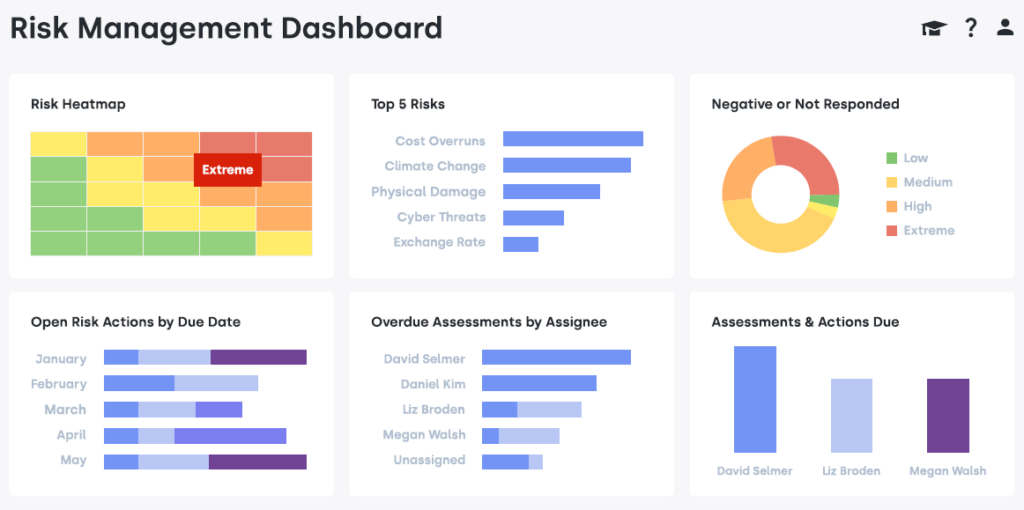
- Monitoring and reporting: Tracking compliance performance over time
- Continuous improvement: Updating controls as regulations evolve
These systems help organizations maintain consistency across departments and ensure regulatory obligations are integrated into everyday operations.
Why Risk Control Matters for Regulatory Compliance
Organizations that treat compliance as a reactive task often face unnecessary exposure. Risk control shifts the approach from reactive correction to proactive prevention.
This shift offers several benefits.
Reduced Legal and Financial Exposure
Regulatory violations can result in substantial penalties. The U.S. Securities and Exchange Commission (SEC) and Department of Justice (DOJ) regularly impose multi-million-dollar fines for compliance failures.
Strong risk control systems help organizations detect potential issues early, reducing the likelihood of enforcement actions.
Operational Stability
Compliance failures often disrupt operations through investigations, audits, or corrective actions. Effective risk control allows organizations to maintain operational continuity even in highly regulated industries.
Stronger Stakeholder Confidence
Investors, partners, and customers increasingly expect organizations to demonstrate responsible governance. Risk control frameworks signal that leadership takes regulatory obligations seriously.
Faster Response to Regulatory Change
Organizations with established risk monitoring processes can adjust more quickly when new regulations emerge.
How Risk Control Frameworks Work in Practice
While the concept of risk control may sound abstract, it typically involves structured operational systems embedded throughout the organization.
Most mature frameworks rely on three functional layers.
1. Policy and Governance
At the highest level, organizations establish policies that define compliance expectations.
These policies typically outline:
- Regulatory responsibilities for different departments
- Internal reporting structures
- Ethical standards and accountability requirements
Board oversight or executive governance committees often monitor regulatory risk.
2. Operational Controls
Operational controls translate policy into daily practice.
Examples include:
- Financial approval workflows
- Vendor compliance checks
- Data access restrictions
- Safety inspection protocols
These controls ensure employees follow procedures that reduce regulatory exposure.
3. Monitoring and Internal Audit
Monitoring systems track whether controls are working as intended.
Internal audit teams frequently review:
- Process compliance
- Documentation accuracy
- Incident reports
- Control effectiveness
Continuous monitoring enables organizations to detect problems before regulators do.
Example: Risk Control in the Financial Services Industry
Financial institutions operate under some of the most complex regulatory frameworks in the United States. Banks must comply with rules enforced by agencies such as the Federal Reserve, Office of the Comptroller of the Currency, and Consumer Financial Protection Bureau.
Risk control systems in financial institutions often include:
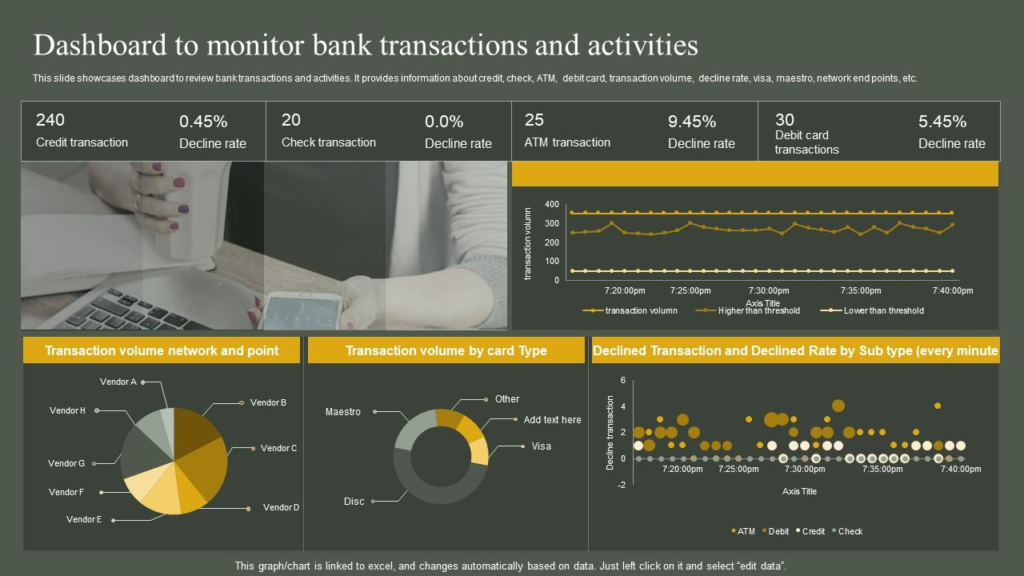
- Automated transaction monitoring to detect suspicious activity
- Customer identity verification processes
- Segregation of duties to prevent fraud
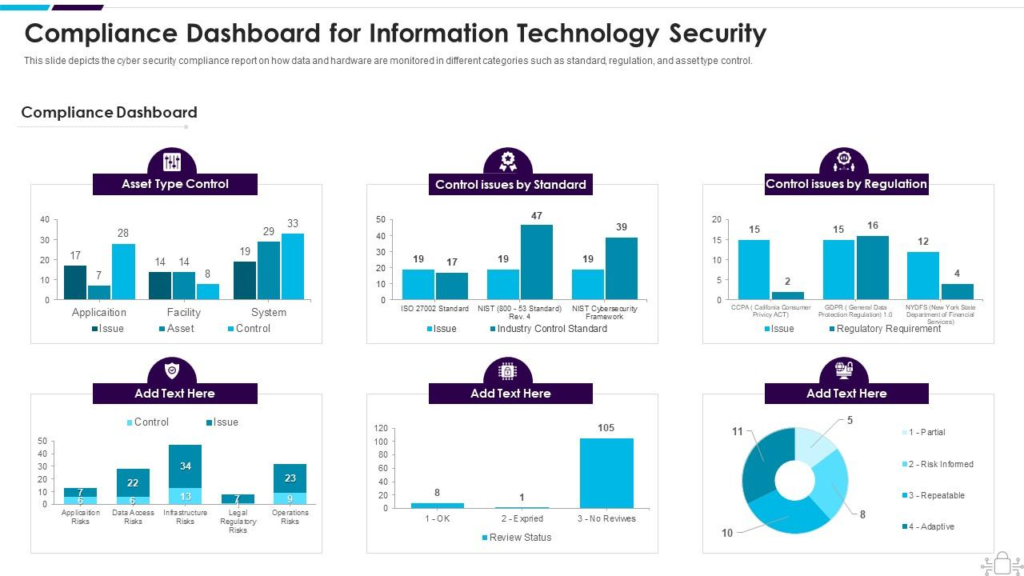
- Internal compliance reporting dashboards
For example, anti-money laundering (AML) regulations require banks to monitor customer transactions for unusual patterns. Risk control systems use data analytics to flag suspicious transactions for review.
Without such controls, compliance teams would struggle to manually monitor millions of transactions.
Risk Control in Healthcare and Patient Privacy
Healthcare organizations face extensive regulatory oversight, particularly under the Health Insurance Portability and Accountability Act (HIPAA).
Hospitals and healthcare providers must protect patient data while maintaining accessibility for medical professionals.
Risk control strategies often include:
- Restricted access to electronic medical records
- Data encryption protocols
- Employee privacy training
- Incident reporting systems
Healthcare providers also conduct regular risk assessments to identify vulnerabilities in patient data systems.
These measures help reduce the likelihood of data breaches, which can lead to regulatory penalties and reputational damage.
Environmental Compliance and Risk Control
Manufacturing, energy, and transportation companies must comply with environmental regulations enforced by agencies such as the Environmental Protection Agency (EPA).
Environmental compliance failures can result in significant fines and operational shutdowns.
Risk control systems often involve:
- Emissions monitoring technologies
- Environmental reporting dashboards
- Maintenance schedules for pollution control equipment
- Compliance documentation tracking
For example, manufacturing plants frequently install automated sensors that measure emissions levels. These systems alert managers if thresholds approach regulatory limits, allowing corrective action before violations occur.
The Role of Technology in Modern Risk Control
Technology has become a major driver of modern compliance and risk management strategies.
Many organizations now rely on Governance, Risk, and Compliance (GRC) platforms to centralize risk control activities.
These systems allow organizations to:
- Track regulatory requirements across jurisdictions
- Automate compliance workflows
- Maintain documentation for regulatory audits
- Monitor risk indicators in real time
Artificial intelligence and data analytics are also improving risk detection.
For example, predictive analytics tools can identify patterns that suggest potential compliance failures before they occur.
As regulatory environments become more complex, technology enables organizations to scale risk control efforts without overwhelming internal teams.
Building a Risk-Aware Organizational Culture
Even the most sophisticated systems depend on human behavior. Employees play a crucial role in maintaining effective risk control.
Organizations that successfully navigate complex regulations often prioritize compliance awareness across all levels of the workforce.
This includes:
- Regular compliance training programs
- Clear reporting channels for potential violations
- Leadership communication about regulatory responsibilities
- Incentives for ethical decision-making
When employees understand how their actions affect compliance outcomes, risk control becomes embedded in everyday work rather than treated as an external obligation.
Common Challenges Organizations Face
Despite the benefits of structured risk control, many organizations encounter practical obstacles when implementing these systems.
Common challenges include:
- Fragmented regulatory oversight: Multiple regulators may oversee the same organization.
- Rapid regulatory change: Rules evolve faster than internal processes.
- Resource constraints: Smaller organizations may lack dedicated compliance teams.
- Complex supply chains: Third-party vendors can introduce additional compliance risks.
Addressing these challenges often requires cross-functional collaboration between legal, operational, and technology teams.
Frequently Asked Questions
What is the difference between risk management and risk control?
Risk management refers to the broader strategy of identifying and managing risks. Risk control focuses specifically on the mechanisms and procedures used to reduce or prevent those risks.
Why are regulations becoming more complex?
Regulations evolve in response to technological innovation, economic developments, and public safety concerns. As industries change, governments introduce new rules to address emerging risks.
How do companies stay updated on regulatory changes?
Many organizations use legal monitoring services, regulatory intelligence platforms, and industry associations to track changes that may affect compliance obligations.
What industries rely most heavily on risk control?
Highly regulated industries include:
- Financial services
- Healthcare
- Energy and utilities
- Pharmaceuticals
- Transportation
However, nearly all organizations must implement some form of risk control.
Can small businesses implement risk control systems?
Yes. Smaller organizations often adopt simplified frameworks that focus on key compliance risks and internal accountability.
What role does internal audit play in risk control?
Internal audit teams evaluate whether risk control processes are functioning properly and whether regulatory requirements are being met.
How often should risk assessments be conducted?
Many organizations conduct annual risk assessments, with additional reviews when regulations change or new operational risks emerge.
Does technology replace compliance professionals?
No. Technology supports risk control by automating monitoring and documentation, but experienced professionals are still required to interpret regulations and manage complex decisions.
What happens if a company fails to maintain risk control?
Failure to maintain risk control can result in regulatory penalties, operational disruption, legal liability, and reputational damage.
How can organizations strengthen their risk control programs?
Organizations typically improve risk control by integrating compliance processes into operations, investing in monitoring tools, and promoting a culture of accountability.
Turning Regulatory Complexity Into Operational Discipline
Organizations that treat regulations as isolated obligations often struggle to maintain consistent compliance. In contrast, companies that invest in risk control systems transform regulatory requirements into structured operational processes.
Risk control does not eliminate regulatory complexity, but it provides a framework for managing it responsibly.
By integrating governance structures, operational controls, monitoring systems, and employee awareness, organizations can navigate evolving regulatory environments with greater confidence and stability.
Key Points at a Glance
- Risk control helps organizations prevent regulatory violations before they occur
- Structured frameworks combine governance, operational controls, and monitoring
- Industries such as finance, healthcare, and manufacturing rely heavily on risk control
- Technology is increasingly central to modern compliance systems
- A strong compliance culture supports effective risk control across departments
- Proactive risk management improves operational stability and stakeholder trust