Summary
Building long-term wealth rarely comes from luck or speculation. It comes from disciplined investing, diversification, patience, and consistent decision-making over decades. This guide explains how Americans can build sustainable wealth through thoughtful investing—covering asset allocation, compounding, risk management, retirement accounts, and real-world strategies used by experienced investors to steadily grow portfolios while minimizing unnecessary financial risk.
Why Thoughtful Investing Matters for Long-Term Wealth
Building wealth through investing is less about finding the next big stock and more about developing a disciplined system that works over decades. Many Americans associate investing with trading or market timing, but historically the most reliable path to financial growth has been patient, diversified investing.
According to data from S&P Dow Jones Indices, the S&P 500 has historically delivered average annual returns of roughly 10% before inflation over long periods. However, the majority of actively managed investors fail to beat the market consistently. This highlights an important truth: thoughtful investing often beats aggressive speculation.
Long-term investing works primarily because of compounding—the process where earnings generate additional earnings over time. Even moderate annual returns can grow significantly when allowed to compound for decades.
For example, investing $500 per month with a 7% annual return can grow to over $600,000 in 30 years. Increase the time horizon to 40 years and the same contributions can surpass $1.3 million.
The difference is time—not stock picking.
The Foundation of Wealth: Consistent Investing Habits
Successful investors rarely rely on sudden windfalls. Instead, they build wealth through consistent contributions and disciplined habits.
One of the most widely used strategies is dollar-cost averaging, where investors invest a fixed amount on a regular schedule regardless of market conditions. This approach reduces emotional decision-making and spreads investment purchases across different market cycles.
Strong investing habits often include:
- Contributing regularly to retirement accounts
- Increasing investments when income grows
- Reinvesting dividends
- Avoiding frequent trading
- Maintaining long-term investment horizons
Many Americans build these habits through employer retirement plans such as a 401(k). Contributions are often automated directly from paychecks, making consistent investing easier.
The key advantage of automation is that it removes timing decisions. Investors continue contributing during both market highs and downturns, which historically has led to better long-term outcomes.
Understanding Asset Allocation
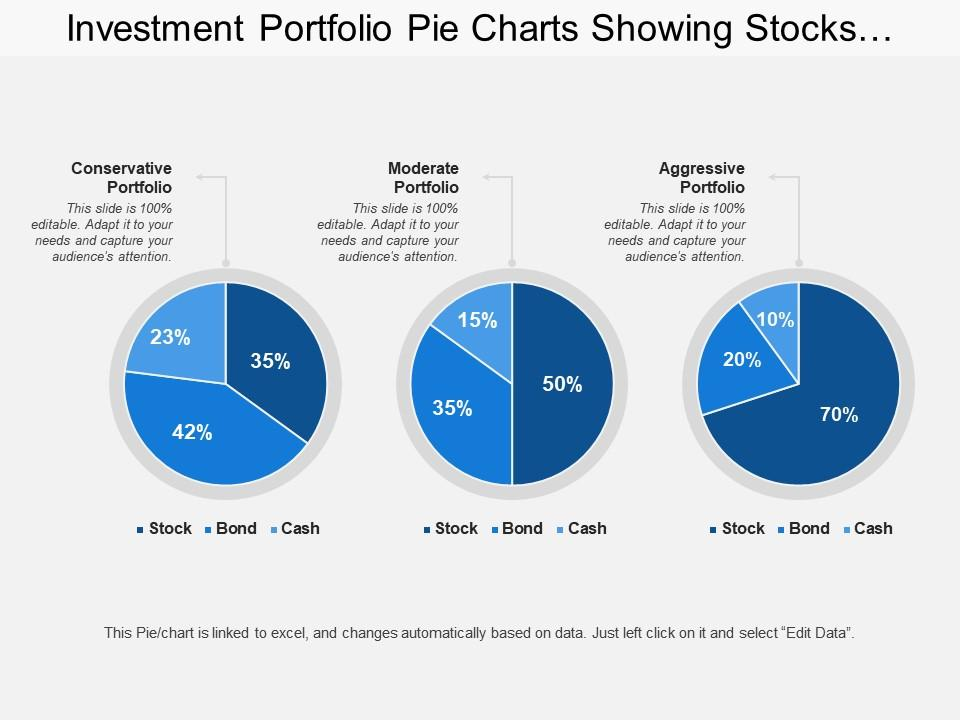
Asset allocation—the way investments are distributed across different asset classes—is one of the most important factors in long-term portfolio performance.
Rather than placing all funds into a single investment, thoughtful investors spread their capital across multiple categories.
Common asset classes include:
- Stocks
- Bonds
- Real estate
- Cash equivalents
- Alternative investments
Stocks generally provide the highest long-term growth potential but come with greater volatility. Bonds typically provide lower returns but can help stabilize a portfolio during market downturns.
A widely cited study from Brinson, Hood & Beebower Study found that asset allocation explained more than 90% of portfolio performance variability.
That means the mix of assets often matters more than individual stock selection.
For example:
- Younger investors may hold 80–90% stocks and 10–20% bonds
- Mid-career investors may shift toward 60–70% stocks
- Near retirement investors often increase bond allocations
This gradual shift helps reduce risk as financial goals approach.
The Power of Diversification
Diversification is one of the most effective ways to reduce risk while maintaining long-term growth potential.
Instead of investing heavily in a few individual companies, diversification spreads investments across many sectors, industries, and geographic regions.
A simple diversified portfolio might include:
- U.S. stock index funds
- International equity funds
- Government and corporate bonds
- Real estate investment trusts (REITs)
Many investors achieve diversification through low-cost index funds from providers such as Vanguard, Fidelity Investments, or Charles Schwab.
Index funds track market benchmarks rather than attempting to outperform them. Because they require less management, they typically offer lower fees—an important factor in long-term returns.
Even small differences in fees can compound dramatically. For instance, a 1% annual fee difference can reduce total portfolio value by hundreds of thousands of dollars over several decades.
Why Time in the Market Matters More Than Timing the Market
Many new investors worry about entering the market at the wrong time. However, research consistently shows that trying to predict short-term market movements rarely works.
Missing just a handful of the best-performing days in the market can dramatically reduce long-term returns.
According to research from J.P. Morgan Asset Management, missing the 10 best market days over a 20-year period can cut overall returns nearly in half.
Because the best days often occur shortly after market downturns, investors who move to cash during volatile periods frequently miss the rebound.
Long-term investors instead focus on:
- Staying invested through market cycles
- Maintaining diversified portfolios
- Continuing regular contributions
Historically, the U.S. stock market has recovered from recessions, crises, and downturns—often stronger than before.
Tax-Advantaged Accounts That Accelerate Wealth
Taxes can quietly erode investment growth. Using tax-advantaged accounts can significantly increase long-term returns.
Two of the most powerful options for American investors include the Roth IRA and the Traditional IRA.
These accounts offer different tax advantages:
Roth IRA
- Contributions made with after-tax income
- Investment growth is tax-free
- Qualified withdrawals are tax-free in retirement
Traditional IRA
- Contributions may be tax-deductible
- Taxes paid upon withdrawal
- Helpful for reducing current taxable income
Another popular option is the Health Savings Account (HSA), which offers a rare triple tax advantage:
- Tax-deductible contributions
- Tax-free investment growth
- Tax-free withdrawals for qualified medical expenses
When used strategically, these accounts can significantly increase lifetime wealth accumulation.
Real-World Example: Two Different Investors
Consider two hypothetical investors.
Investor A
- Starts investing at age 25
- Invests $400 per month
- Stops investing at age 35
Investor B
- Starts investing at age 35
- Invests $400 per month
- Continues until age 65
Assuming a 7% annual return, Investor A may end up with more wealth than Investor B—even though Investor B invested for three decades.
The reason is simple: Investor A allowed compounding to work for an additional ten years.
This illustrates one of the most important principles of wealth-building:
Starting early is often more important than investing large amounts later.
Risk Management: Protecting Your Portfolio
Thoughtful investing also means managing risk rather than chasing returns.
Risk management includes:
- Maintaining emergency savings
- Avoiding concentrated investments
- Periodically rebalancing portfolios
- Keeping investment timelines aligned with goals
Rebalancing ensures that portfolios remain aligned with their target asset allocation. For example, if stock prices rise significantly, stocks may grow from 60% to 75% of a portfolio. Rebalancing restores the intended balance by shifting funds into other asset classes.
This process prevents portfolios from unintentionally becoming too risky over time.
Behavioral Mistakes That Hurt Long-Term Investors
Investment success is often influenced more by behavior than strategy.
Common mistakes include:
- Panic selling during market downturns
- Chasing recent high-performing investments
- Trading excessively
- Ignoring investment fees
- Following social media speculation
The financial crisis of 2008 provides a clear example. Many investors sold stocks during the downturn and waited years before re-entering the market. Those who remained invested experienced the subsequent recovery and long-term gains.
Successful investors recognize that market volatility is a normal part of long-term investing.
Frequently Asked Questions
What is the best investment for long-term wealth?
There is no single “best” investment. Diversified portfolios that include low-cost stock index funds, bonds, and tax-advantaged retirement accounts have historically provided reliable long-term growth.
How much should Americans invest each month?
A common recommendation is 15% of gross income, but even smaller amounts can grow significantly when invested consistently over decades.
Are index funds better than individual stocks?
For most investors, index funds offer better diversification, lower costs, and more consistent performance than picking individual stocks.
When should someone start investing?
Ideally as early as possible. Starting in your 20s gives compounding several additional decades to work.
Is investing risky?
All investments carry risk, but diversification and long-term investing can significantly reduce volatility compared with short-term trading.
How often should portfolios be rebalanced?
Many investors rebalance once or twice per year or when allocations drift significantly from their targets.
What is dollar-cost averaging?
Dollar-cost averaging means investing a fixed amount regularly regardless of market conditions, helping reduce emotional investing decisions.
Can someone build wealth without a high income?
Yes. Consistent investing, disciplined spending, and long-term compounding allow even moderate incomes to build significant wealth over time.
Should investors pay off debt before investing?
High-interest debt (like credit cards) should typically be paid off first. Lower-interest debt may be managed alongside investing.
How long should investments be held?
Long-term investors often hold investments for decades, especially within retirement accounts.
Building Wealth Is a Long Game
The most successful investors rarely rely on predictions or complex strategies. Instead, they focus on principles that have proven reliable over decades: diversification, disciplined contributions, tax efficiency, and patience.
Markets will inevitably fluctuate, and economic conditions will change. However, investors who maintain consistent strategies and long-term perspectives are far more likely to achieve sustainable wealth than those chasing short-term opportunities.
Thoughtful investing is less about reacting to the market and more about designing a system that works through it.
Key Principles for Sustainable Wealth Building
- Start investing as early as possible
- Prioritize consistency over timing
- Use tax-advantaged retirement accounts
- Diversify across asset classes
- Focus on long-term growth rather than short-term market movements
- Keep investment costs low
- Maintain discipline during market volatility
- Rebalance portfolios periodically