
Rising living costs, economic volatility, and changing work patterns are pushing Americans to rethink how they earn. This article explores why relying on a single paycheck is increasingly risky and how modern income streams—from freelance work to digital assets—are reshaping financial stability. It offers practical strategies, real-world examples, and data-driven insights to help readers diversify income responsibly.
The Shift Away from Single-Source Income
For decades, the traditional financial model in the United States centered on a single, stable income—typically a full-time job with benefits. That model is still relevant, but it is no longer sufficient for many households. Economic realities have changed.
According to data from the U.S. Bureau of Labor Statistics and Federal Reserve surveys, a significant portion of Americans report difficulty covering unexpected expenses. Inflation, housing costs, and healthcare expenses have outpaced wage growth in many sectors. As a result, relying solely on one paycheck has become increasingly fragile.
At the same time, technology has created new pathways to earn income outside traditional employment. The rise of remote work, digital platforms, and flexible labor markets has made it easier to build multiple income streams—even without leaving a primary job.
This shift is not about abandoning traditional work. It is about strengthening financial resilience.
Why Traditional Earnings Alone Are Falling Short
The pressure on single-income households is not hypothetical—it is measurable and widespread. Several structural changes are driving this trend:
- Stagnant wage growth in many industries relative to inflation
- Increased cost of living, particularly housing and healthcare
- Reduced job security due to automation and market volatility
- Decline in long-term employer benefits such as pensions
- Greater financial responsibility shifted to individuals, including retirement planning
For example, retirement has evolved significantly. Previous generations often relied on employer-funded pensions. Today, most workers depend on self-directed retirement accounts like 401(k)s, requiring consistent contributions and investment literacy.
This shift means income is no longer just about covering monthly expenses—it must also support long-term financial independence.
What Are Modern Income Streams?
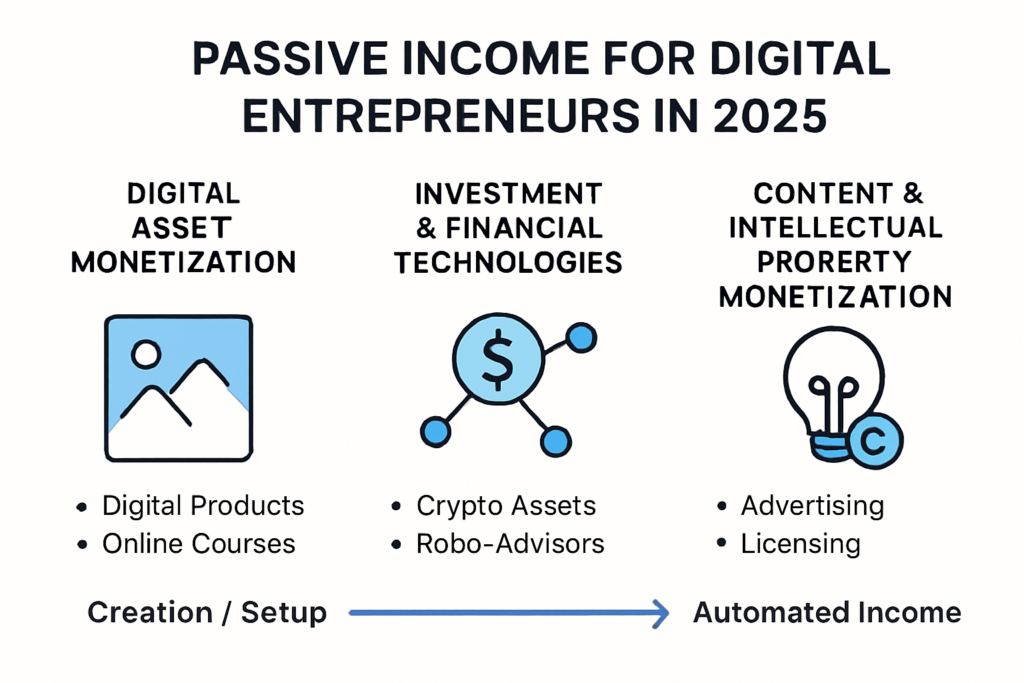
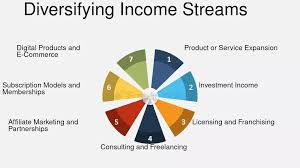
Modern income streams refer to diversified ways of earning money beyond a single employer paycheck. These streams vary widely in structure, risk, and effort required.
They generally fall into three categories:
1. Active Income Streams
These require ongoing effort and time investment.
- Freelance or contract work
- Consulting in a professional field
- Part-time or gig work (e.g., rideshare, delivery)
- Online services such as tutoring or coaching
2. Semi-Passive Income Streams
These require upfront work but less ongoing effort.
- Selling digital products (courses, templates)
- Content creation (blogs, YouTube, newsletters)
- Affiliate marketing through informational websites
- Renting out property or assets
3. Passive Income Streams
These aim to generate income with minimal ongoing involvement.
- Dividend-paying investments
- Real estate investment trusts (REITs)
- High-yield savings or bonds
- Royalties from intellectual property
In practice, most people combine elements of all three.
How Americans Are Building Income Streams Today
The concept of “side income” has evolved. It is no longer limited to occasional extra work—it has become a structured financial strategy.
Consider these real-world examples:
A mid-career marketing professional may take on freelance projects through platforms like Upwork, adding an extra $1,000–$2,000 monthly. Over time, this can evolve into a consulting business.
A teacher might create and sell lesson plans or online courses, generating recurring income each semester without repeating the same work.
A young professional could invest in index funds and dividend stocks early, gradually building a passive income base that supplements future earnings.
These are not extreme or unusual cases. They reflect a broader shift toward intentional income diversification.
The Role of Technology in Expanding Income Opportunities
Technology has significantly lowered the barrier to entry for earning additional income.
Today, individuals can:
- Launch an online store in a matter of hours
- Offer freelance services globally
- Monetize expertise through digital platforms
- Automate portions of income generation
This accessibility has changed expectations. Where previous generations might have relied solely on career advancement, today’s workforce increasingly looks for parallel income opportunities.
However, accessibility does not eliminate effort. Successful income streams still require planning, consistency, and realistic expectations.

Common Questions About Multiple Income Streams
Many Americans exploring this topic are asking practical, grounded questions:
“Do I need multiple income streams to be financially secure?”
Not necessarily—but having more than one source of income can reduce risk. If one stream is disrupted, others can provide stability.
“How many income streams are realistic?”
For most people, 2–4 well-managed streams are more sustainable than trying to manage many at once.
“Is passive income truly passive?”
Rarely. Most passive income requires upfront work, capital, or both. Ongoing maintenance is often needed.
Risks and Misconceptions to Avoid
While the idea of multiple income streams is appealing, it is often misunderstood. Not all opportunities are equal, and some carry risks.
Key misconceptions include:
- “More income streams automatically mean more income”
Without focus, multiple streams can dilute effort and reduce overall returns. - “Passive income requires no work”
In reality, it often involves significant initial investment of time or money. - “Side income can replace a primary job quickly”
Building reliable income streams typically takes time and consistency.
There are also practical risks:
- Burnout from overcommitting
- Tax implications from multiple income sources
- Inconsistent or unpredictable earnings
- Upfront financial investments that may not yield returns
A measured, strategic approach is essential.
Practical Steps to Start Building Income Streams
For readers considering diversification, the process does not need to be overwhelming. Starting small is often the most effective approach.
Step 1: Assess Skills and Resources
Identify what you already know or can offer. This could include professional expertise, hobbies, or existing assets.
Step 2: Choose One Additional Stream
Avoid trying to build multiple streams at once. Focus on one that aligns with your schedule and skills.
Step 3: Set Realistic Expectations
Initial earnings may be modest. Consistency matters more than speed.
Step 4: Track Income and Time Investment
Understanding return on effort helps refine your strategy over time.
Step 5: Reinvest Strategically
Use early earnings to build additional streams, such as investing profits into dividend assets.
The Long-Term Value of Diversified Income
The goal of multiple income streams is not just earning more—it is building resilience.
Diversification can provide:
- Greater financial flexibility
- Reduced dependence on a single employer
- Opportunities for long-term wealth building
- A buffer against economic downturns
This approach mirrors investment principles: diversification reduces risk.
Over time, even modest income streams can compound into meaningful financial support.
Frequently Asked Questions
1. What is the best income stream to start with?
The best option depends on your skills and availability. Freelancing or consulting is often the easiest starting point.
2. How much time should I dedicate to a side income?
Many people start with 5–10 hours per week and scale gradually.
3. Are multiple income streams taxed differently?
Yes. Different types of income (self-employment, investment, rental) have different tax implications.
4. Can I build income streams while working full-time?
Yes. Most people begin alongside a primary job.
5. Is real estate still a good income stream?
It can be, but it requires capital, market research, and ongoing management.
6. How long does it take to see results?
It varies. Some streams generate income within months; others take years.
7. What are low-risk income streams?
Dividend investments and high-yield savings are generally lower risk but offer lower returns.
8. Do I need special skills to start?
Not always. Many opportunities build on existing knowledge or can be learned over time.
9. How do I avoid scams or unrealistic opportunities?
Be cautious of promises of quick, guaranteed returns. Focus on transparent, verifiable methods.
10. Can multiple income streams lead to financial independence?
They can contribute significantly, especially when combined with disciplined saving and investing.