
Growth Watch is the ongoing practice of monitoring economic, business, and consumer trends that shape financial decisions. As inflation, interest rates, employment, technology, and global events continue influencing markets, understanding growth indicators helps investors make informed choices, businesses plan strategically, and households manage finances more effectively. Staying informed doesn’t guarantee better outcomes, but it significantly improves decision-making in an increasingly dynamic economy.
Understanding Growth Watch
Economic growth has always been an important measure of national prosperity, but today’s environment makes paying attention to growth indicators more valuable than ever. Inflation has fluctuated, interest rates have shifted rapidly, technology continues transforming industries, and consumer behavior changes faster than many businesses anticipated just a few years ago.
Rather than focusing on one statistic, Growth Watch means observing multiple indicators together to understand where the economy may be heading. Investors use these signals to evaluate risk. Business leaders rely on them when making hiring and expansion decisions. Families benefit by recognizing how broader economic trends can affect employment, borrowing costs, retirement savings, and everyday expenses.
Growth Watch is not about predicting the future with certainty. Instead, it provides a structured way to interpret changing economic conditions using credible data.
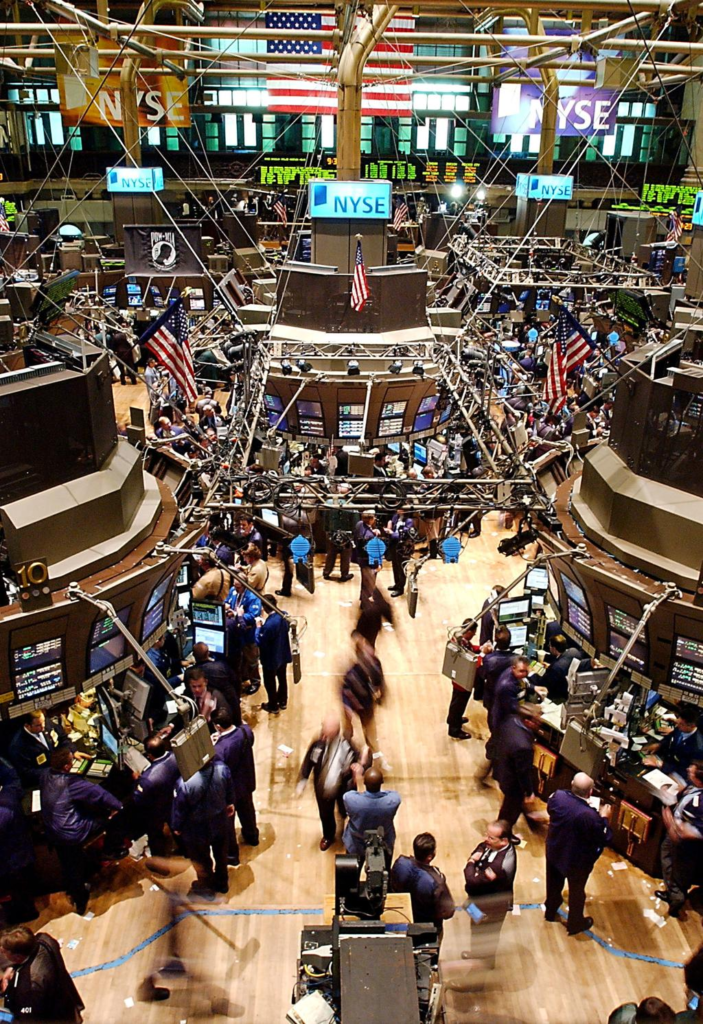
Why Growth Monitoring Has Become More Important
The American economy is more interconnected than ever before. Events occurring thousands of miles away can quickly influence domestic supply chains, consumer prices, and financial markets.
Several developments have increased the importance of regular Growth Watch activities:
- Higher interest rate sensitivity
- Rapid technological innovation
- Global supply chain adjustments
- Labor market evolution
- Artificial intelligence adoption
- Increased market volatility
- Changing consumer spending patterns
- Growing importance of productivity gains
These factors often influence one another, making it essential to view economic developments as part of a broader picture rather than isolated events.
The Economic Indicators That Matter Most
Professional economists rarely rely on a single measurement. Instead, they combine several indicators to evaluate economic momentum.
Gross Domestic Product (GDP)
GDP measures the total value of goods and services produced within the United States. According to the U.S. Bureau of Economic Analysis (BEA), GDP remains one of the broadest indicators of overall economic activity.
Steady GDP growth generally reflects expanding business activity, increased employment opportunities, and stronger consumer demand. However, GDP should always be interpreted alongside other indicators.
Employment Data
Monthly employment reports published by the U.S. Bureau of Labor Statistics (BLS) provide insight into hiring trends, unemployment rates, wage growth, and labor force participation.
Strong employment often supports consumer spending because households typically have greater purchasing power.
Inflation
The Consumer Price Index (CPI) and Personal Consumption Expenditures (PCE) inflation measures help policymakers, businesses, and consumers understand changes in purchasing power.
Persistent inflation affects:
- Grocery budgets
- Housing affordability
- Auto financing
- Retirement planning
- Business operating costs
Consumer Spending
Consumer spending represents roughly two-thirds of U.S. economic activity, according to federal economic data.
Retail sales, travel demand, restaurant spending, and online purchases all provide useful clues about household confidence.
Interest Rates
Federal Reserve policy affects borrowing costs across the economy.
Interest rate changes influence:
- Mortgage rates
- Business loans
- Credit cards
- Auto financing
- Investment returns
Understanding interest rate trends helps households and companies prepare for changing financial conditions.
Why Investors Depend on Growth Watch
Successful investing rarely depends on reacting to headlines alone.
Instead, experienced investors often evaluate whether economic growth appears to be accelerating, slowing, or stabilizing.
For example, improving employment combined with moderating inflation may suggest improving corporate earnings potential. Conversely, weakening consumer spending could encourage greater caution in certain industries.
Growth Watch also helps investors diversify across sectors.
Industries often respond differently to changing economic conditions:
- Technology
- Healthcare
- Consumer staples
- Utilities
- Energy
- Financial services
- Industrials
Rather than trying to predict short-term market movements, Growth Watch encourages disciplined portfolio evaluation based on broader economic fundamentals.
Why Businesses Need Continuous Growth Monitoring
Business planning has become increasingly data-driven.
Executives use Growth Watch to answer practical questions:
Should we hire additional employees?
Should we open another location?
Should inventory levels increase?
Should capital investments be delayed?
Growth indicators help reduce uncertainty by providing context rather than guarantees.
Consider a regional manufacturing company. If industrial production increases while consumer demand strengthens, expanding production may become more attractive.
Conversely, weakening retail sales may encourage more conservative inventory management.
Many successful companies review growth indicators monthly rather than annually.

Why Everyday Consumers Should Care
Growth Watch is not only for economists or investment professionals.
Every household makes financial decisions influenced by economic conditions.
Examples include:
- Buying a home
- Financing a vehicle
- Choosing retirement contributions
- Changing jobs
- Starting a business
- Paying off debt
- Building emergency savings
Understanding broader trends helps consumers make decisions with greater confidence.
For instance, someone considering a mortgage may benefit from understanding how interest rates affect monthly payments.
Likewise, job seekers often gain useful insights by monitoring hiring trends within their industries.
Technology Has Changed Growth Analysis
Economic information has become dramatically more accessible.
Today, businesses and individuals can monitor:
- Federal Reserve announcements
- Employment reports
- GDP releases
- Inflation updates
- Retail sales
- Housing activity
- Manufacturing indexes
- Small business optimism surveys
Artificial intelligence also allows organizations to analyze large datasets more quickly, identifying patterns that previously required extensive manual analysis.
However, experts still emphasize combining data with human judgment rather than relying solely on automated forecasts.
Common Growth Watch Mistakes
One of the biggest mistakes involves reacting too quickly to a single report.
Economic data often gets revised.
Short-term fluctuations rarely tell the complete story.
Other common mistakes include:
- Ignoring long-term trends
- Following headlines without reviewing underlying data
- Overreacting to market volatility
- Focusing on one indicator alone
- Assuming past performance predicts future outcomes
Balanced analysis generally produces better decisions than emotional reactions.
Where Americans Can Find Reliable Growth Data
Credible information is widely available through government agencies and respected research organizations.
Reliable sources include:
- U.S. Bureau of Economic Analysis (BEA)
- U.S. Bureau of Labor Statistics (BLS)
- Federal Reserve
- Congressional Budget Office (CBO)
- Census Bureau
- International Monetary Fund (IMF)
- Organisation for Economic Co-operation and Development (OECD)
- World Bank
These organizations regularly publish reports that help explain broader economic conditions using transparent methodologies.
Real-World Example: How Growth Watch Influences Decisions
Imagine three people reading the same monthly employment report.
An investor notices stronger hiring in technology and manufacturing, leading to further research on companies serving those industries.
A small business owner observes improving consumer confidence and decides to increase inventory before the holiday season.
A recent college graduate sees expanding healthcare employment and chooses to pursue additional certifications aligned with growing demand.
Each individual uses the same data differently, demonstrating why Growth Watch provides value beyond financial markets.

Frequently Asked Questions
1. What does Growth Watch mean?
Growth Watch refers to regularly monitoring economic indicators that help explain how the economy, businesses, and financial markets are performing.
2. Why is Growth Watch important?
It helps individuals and organizations make more informed financial, investment, and business decisions based on objective economic data.
3. Which economic indicators matter most?
GDP, employment, inflation, consumer spending, interest rates, retail sales, and manufacturing activity are among the most widely followed indicators.
4. Can Growth Watch predict recessions?
No. It provides useful signals but cannot accurately predict future economic events with certainty.
5. How often should investors review economic data?
Many professionals review major reports monthly while maintaining a long-term investment perspective.
6. Why should consumers follow economic growth?
Economic conditions influence employment opportunities, wages, borrowing costs, retirement savings, and household budgets.
7. Does strong GDP always mean markets will rise?
Not necessarily. Financial markets consider many factors beyond GDP, including corporate earnings, interest rates, and investor expectations.
8. Where can I find trustworthy economic reports?
Government agencies such as the BEA, BLS, and Federal Reserve publish reliable economic data regularly.
9. Is Growth Watch useful for small businesses?
Yes. Monitoring economic conditions helps businesses make better decisions about hiring, inventory, expansion, pricing, and investment.
10. What is the biggest mistake people make?
Relying on one economic indicator or reacting emotionally to short-term news instead of evaluating broader trends.