Consumer behavior is evolving in ways that offer clear signals about the future of business. From value-conscious spending and digital-first expectations to sustainability and personalization, these shifts are shaping how companies compete. This article explores the most relevant emerging trends, what they mean for U.S. markets, and how businesses and professionals can respond with practical, data-informed strategies.
Introduction: Why Consumer Trends Matter More Than Ever
In today’s market, consumer behavior is no longer just a reflection of economic conditions—it is a leading indicator of where industries are headed. Businesses that pay close attention to subtle shifts in preferences, spending patterns, and expectations are better positioned to anticipate change rather than react to it.
Over the past five years, U.S. consumers have become more digitally engaged, financially cautious, and values-driven. According to data from the U.S. Bureau of Economic Analysis, personal consumption remains the largest driver of GDP, accounting for roughly 68% of economic activity. That means even small behavioral shifts can ripple across entire industries.
This “Growth Watch” perspective focuses on identifying those early signals and translating them into actionable insights.
1. The Rise of Value-Conscious Spending
American consumers are increasingly prioritizing value—not just price. This shift has been shaped by inflationary pressures, rising living costs, and a more informed consumer base.
Rather than simply choosing the cheapest option, consumers are asking:
- Is this product worth the price?
- Does it last longer?
- Does it deliver measurable benefits?
A McKinsey report in 2025 highlighted that nearly 70% of U.S. consumers actively compare brands before making purchases, even in traditionally low-consideration categories like groceries.
What this means for businesses:
- Clear value propositions are critical
- Transparent pricing builds trust
- Bundled offerings and loyalty programs are gaining traction
For example, mid-tier retail brands that emphasize durability and cost-per-use are outperforming both premium and discount extremes in several categories.
2. Digital-First Is No Longer Optional
Digital adoption accelerated rapidly during the pandemic, but what followed is more important: permanence. Consumers now expect seamless digital experiences across every touchpoint.
This includes:
- Mobile-first shopping interfaces
- Real-time customer support
- Frictionless checkout systems
- Integrated online and offline experiences
According to Pew Research, over 85% of Americans own a smartphone, and e-commerce continues to grow steadily year over year.
However, the real shift is not just access—it’s expectation. Consumers now compare every digital experience to the best one they’ve had, regardless of industry.
Example:
A regional bank that introduces instant loan approvals through a mobile app is no longer competing just with other banks—it is being compared to fintech apps and even retail checkout experiences.
3. Personalization Is Becoming a Baseline Expectation
Personalization has moved beyond targeted ads. Consumers now expect tailored experiences at every stage of the journey.
This includes:
- Product recommendations based on behavior
- Customized email communication
- Dynamic website content
- Location-aware services
Salesforce research shows that 73% of customers expect companies to understand their unique needs.
But personalization must be handled carefully. Over-personalization or misuse of data can erode trust quickly.
Best practices include:
- Using first-party data responsibly
- Offering clear opt-in controls
- Prioritizing relevance over volume
Businesses that strike this balance are seeing higher engagement and retention rates.
4. The Shift Toward Purpose-Driven Consumption
Consumers are increasingly aligning their spending with their values. This includes concerns around:
- Environmental sustainability
- Ethical sourcing
- Social responsibility
- Corporate transparency
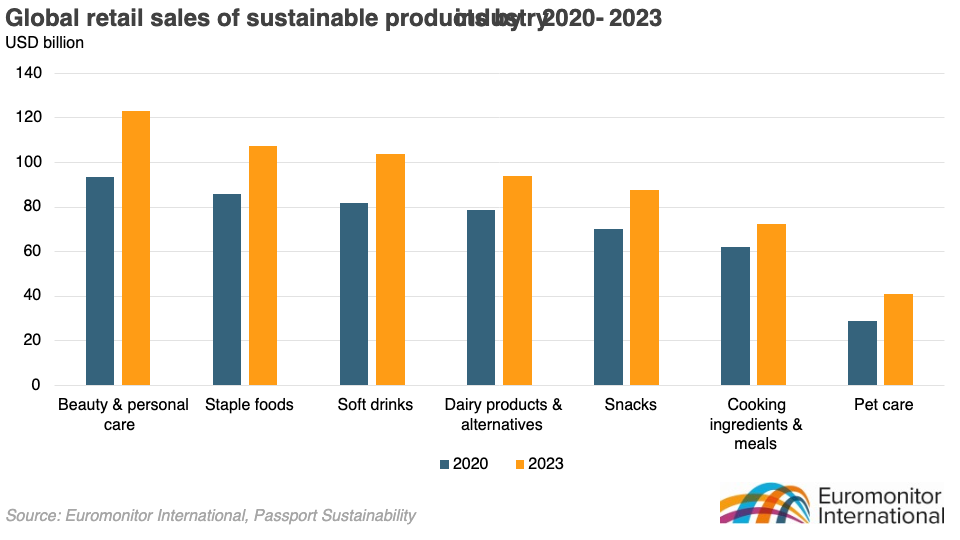
A NielsenIQ study found that over 60% of U.S. consumers are willing to pay more for sustainable products, though actual purchasing behavior varies by income level.
What’s notable is not just interest, but scrutiny. Consumers are actively researching claims and holding brands accountable.
Implications:
- Authenticity matters more than messaging
- Certifications and third-party validation are influential
- Greenwashing risks long-term reputational damage
Brands that integrate purpose into operations—not just marketing—are gaining credibility.

5. Convenience as a Competitive Advantage
Convenience has become a defining factor in consumer decision-making. This goes beyond fast delivery—it includes simplicity, accessibility, and time savings.
Key drivers include:
- Subscription services
- Same-day delivery
- One-click purchasing
- Streamlined returns
Amazon set the standard, but now consumers expect similar convenience across industries—from healthcare scheduling to financial services.
Real-world example:
Telehealth adoption surged because it reduced friction. Patients now expect similar convenience from in-person healthcare providers.
Businesses that remove friction at every step often outperform those that simply compete on price or product features.
6. Trust and Transparency Are Central to Brand Loyalty
Trust has become a core currency in consumer relationships. With increased access to information, consumers are more skeptical—and more informed.
Key trust factors include:
- Clear return policies
- Honest product descriptions
- Visible customer reviews
- Data privacy protections
According to Edelman’s Trust Barometer, trust in brands significantly influences purchase decisions, especially among younger demographics.
Practical takeaway:
Companies that proactively communicate—especially during disruptions—tend to retain customer loyalty more effectively.
7. The Blending of Physical and Digital Experiences
The line between online and offline experiences is increasingly blurred. Consumers expect continuity across channels.
This includes:
- Buy online, pick up in-store (BOPIS)
- In-store digital kiosks
- Augmented reality product previews
- Unified customer profiles
Retailers that successfully integrate these experiences are seeing higher conversion rates and customer satisfaction.
Example:
A furniture retailer offering AR previews allows customers to visualize products in their homes, reducing hesitation and returns.
8. Health, Wellness, and Lifestyle Integration
Health is no longer a niche category—it is integrated into everyday consumer decisions.
This trend spans:
- Food and beverage choices
- Fitness and wearable technology
- Mental health services
- Workplace wellness programs
The Global Wellness Institute estimates the wellness economy exceeds $5 trillion globally, with strong growth in the U.S.
Consumers are increasingly prioritizing:
- Preventative health
- Holistic well-being
- Transparency in ingredients and sourcing
Brands that align with these priorities are expanding their relevance beyond traditional categories.
Frequently Asked Questions (FAQs)
1. What are the most important consumer trends in the U.S. right now?
Value-conscious spending, digital-first expectations, personalization, sustainability, and convenience are among the most influential trends.
2. Why is personalization so important to consumers?
It reduces decision fatigue and creates more relevant, efficient experiences, which increases satisfaction and loyalty.
3. How can small businesses adapt to these trends?
By focusing on customer experience, leveraging simple digital tools, and clearly communicating value and trust.
4. Are consumers really willing to pay more for sustainable products?
Many express willingness, but actual behavior depends on income and perceived value.
5. What role does technology play in shaping consumer behavior?
Technology enables convenience, personalization, and access to information, all of which shape expectations.
6. How important is brand trust today?
Extremely important—trust influences both initial purchases and long-term loyalty.
7. What industries are most affected by these trends?
Retail, finance, healthcare, and technology are among the most impacted.
8. Is e-commerce still growing in the U.S.?
Yes, though growth is stabilizing, it remains a significant and expanding share of total retail.
9. How can companies build stronger customer relationships?
Through transparency, consistent communication, and delivering on promises.
10. What is the biggest shift in consumer mindset?
A move toward intentional, informed decision-making rather than impulsive purchasing.
Reading the Signals Ahead: Interpreting What Comes Next
Understanding consumer trends is not about predicting the future with certainty—it is about recognizing patterns early enough to act with confidence. The signals outlined here suggest a market that values efficiency, transparency, and relevance more than ever before.
Businesses that succeed in this environment are those that listen closely, adapt thoughtfully, and execute consistently. Rather than chasing every trend, the most effective strategies focus on aligning core offerings with evolving consumer expectations.
In a market shaped by rapid change, clarity and responsiveness are not advantages—they are requirements.
Key Insights at a Glance
- Consumers are prioritizing value over price alone
- Digital experiences are now baseline expectations
- Personalization must be balanced with privacy
- Trust and transparency drive long-term loyalty
- Convenience is a major competitive differentiator
- Sustainability influences perception and purchasing
- Omnichannel experiences are becoming standard
- Health and wellness are integrated into daily decisions