Digital tools and platforms have transformed how Americans earn, making it easier to build multiple income streams. This article explores the real opportunities available, the trade-offs involved, and how to evaluate long-term value. It provides practical guidance, examples, and expert-backed insights to help individuals build sustainable, diversified income in today’s digital economy.
The Digital Shift in How Americans Earn
Over the past decade, the U.S. economy has undergone a quiet but profound transformation. Income is no longer tied exclusively to traditional employment. Instead, digital platforms, remote work, and online marketplaces have expanded the ways individuals can generate income.
According to data from the U.S. Bureau of Labor Statistics and private sector research, millions of Americans now participate in freelance work, digital commerce, or platform-based earnings. This shift reflects more than technological change—it signals a broader evolution in financial behavior.
In the digital age, income is increasingly flexible, scalable, and self-directed. But with these opportunities come new complexities that require thoughtful planning.
What Defines an Income Stream in the Digital Economy?
In today’s environment, an income stream can take many forms. While traditional categories still apply, digital tools have expanded their scope.
Modern income streams often include:
- Primary employment income (remote or hybrid roles)
- Freelance and contract work via online platforms
- Digital product sales such as courses, templates, or e-books
- Content-based income through advertising, sponsorships, or subscriptions
- Investment income managed through digital platforms
- E-commerce or online business revenue
The defining feature is accessibility. Many of these streams can be started with minimal infrastructure, often from a home office.
Opportunities Created by the Digital Economy
The digital age has introduced several meaningful advantages for income generation.
1. Lower Barriers to Entry
Starting a side income no longer requires significant capital. Many opportunities—such as freelance services or digital products—can begin with existing skills and basic tools.
2. Geographic Flexibility
Remote work and online platforms allow individuals to earn income regardless of location. This has expanded opportunities for workers in both urban and rural areas.
3. Scalability
Certain income streams, particularly digital products and online businesses, can scale without a direct increase in time investment.
4. Access to Global Markets
Digital platforms enable individuals to reach customers beyond their local area, increasing potential demand and revenue.
These advantages have made income diversification more attainable than in previous generations.
Real-World Examples of Digital Income Streams
To understand how these opportunities translate into practice, consider a few common scenarios:
Example 1: The Freelance Specialist
A marketing professional offers services on freelance platforms, working with clients across the country. Over time, she transitions to long-term contracts, creating a more stable income stream.
Example 2: The Digital Product Creator
A software engineer develops and sells productivity templates online. After initial development, these products generate recurring income with occasional updates.
Example 3: The Content-Based Entrepreneur
A fitness coach builds an online audience and monetizes through subscriptions, sponsored content, and digital programs.
Each example demonstrates how digital tools can turn skills and knowledge into income streams that extend beyond traditional employment.
The Trade-Offs: What’s Often Overlooked
While digital income opportunities are widely accessible, they are not without challenges. Understanding the trade-offs is essential for making informed decisions.
Time Investment Upfront
Many digital income streams require significant initial effort. Creating a course, building an audience, or launching an online store can take months before generating consistent income.
Income Variability
Unlike a salary, digital income can fluctuate. Demand, platform changes, and market competition all influence earnings.
Platform Dependence
Relying on third-party platforms introduces risk. Changes in algorithms, policies, or fees can impact income unexpectedly.
Increased Competition
As more people enter digital markets, standing out requires skill, consistency, and differentiation.
These factors highlight the importance of approaching digital income strategically rather than impulsively.
Evaluating Long-Term Value
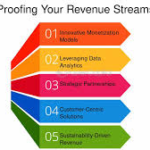
Not all income streams are equally valuable over time. In the digital age, long-term value depends on several key factors.
- Sustainability: Can the income continue without constant reinvention?
- Scalability: Can earnings grow without proportional increases in effort?
- Control: How dependent is the income on external platforms or policies?
- Skill alignment: Does the stream build on strengths that can evolve over time?
For example, a freelance service may provide immediate income but limited scalability, while a digital product may take longer to build but offer greater long-term leverage.
A balanced approach often includes both short-term and long-term income strategies.
How Americans Are Building Digital Income Portfolios
Rather than relying on a single source, many individuals are combining multiple digital income streams into a cohesive strategy.
A typical structure might include:
- Primary income: Stable employment or contract work
- Supplemental digital income: Freelance or gig-based work
- Scalable income: Digital products or online businesses
- Investment income: Managed through digital platforms
This layered approach helps balance immediate cash flow with future growth potential.
Managing Risk in a Digital Income Strategy
Diversification is just as important in income as it is in investing. Relying too heavily on one digital platform or income source can increase risk.
Practical risk management strategies include:
- Building income streams across multiple platforms
- Maintaining an emergency fund to handle income fluctuations
- Continuously updating skills to stay competitive
- Tracking performance and adjusting strategies as needed
These steps help create a more resilient financial structure.
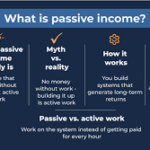
The Role of Passive and Semi-Passive Income
Digital tools have expanded opportunities for passive and semi-passive income, but expectations must remain realistic.
Common examples include:
- Online courses
- Subscription-based content
- Affiliate marketing
- Automated e-commerce systems
While these can generate income with less ongoing effort, they still require maintenance, updates, and occasional reinvestment.
The most successful strategies treat passive income as a long-term outcome rather than an immediate goal.
Tax and Financial Considerations in the Digital Age
Digital income introduces additional financial responsibilities. In the U.S., earnings from online platforms are typically taxable and may require self-employment reporting.
Important considerations include:
- Tracking all income sources accurately
- Setting aside funds for taxes
- Understanding deductions related to business expenses
- Complying with state and federal regulations
Many individuals benefit from using accounting software or working with a tax professional as their income grows.
Frequently Asked Questions
1. What are digital income streams?
They are income sources generated through online platforms, digital products, or remote work.
2. Are digital income streams reliable?
Some can be, but many involve variability and require careful management.
3. What is the easiest digital income stream to start?
Freelancing based on existing skills is often the most accessible option.
4. How long does it take to build digital income?
It varies, but consistent effort over several months to years is typical.
5. Can digital income replace a full-time job?
In some cases, yes—but it usually requires time to build stable earnings.
6. What are the risks of digital income?
Income fluctuations, platform dependence, and competition.
7. Do I need technical skills to get started?
Not always—many opportunities rely on transferable skills.
8. How are digital income streams taxed?
They are generally treated as taxable income, often subject to self-employment tax.
9. What tools help manage digital income?
Accounting software, project management tools, and digital platforms.
10. How do I choose the right income stream?
Focus on your skills, time availability, and long-term goals.
The Future of Income in a Digital-First Economy
As technology continues to evolve, digital income streams will likely play an even larger role in how Americans earn. Artificial intelligence, automation, and new platforms are expected to create additional opportunities while reshaping existing ones.
However, the fundamentals remain the same. Sustainable income requires value creation, consistency, and adaptability.
The digital economy offers tools—but long-term success depends on how those tools are used.
Building Income That Balances Opportunity and Stability
The rise of digital income streams represents both opportunity and responsibility. While the barriers to entry are lower, the need for strategic thinking is higher.
For individuals willing to approach digital income thoughtfully, the rewards can extend beyond additional earnings. It can lead to greater financial flexibility, improved resilience, and new career possibilities.
When Digital Income Becomes Part of a Long-Term Strategy
The most effective approaches treat digital income as part of a broader financial system. It’s not about chasing trends, but about building sustainable, complementary streams that align with long-term goals.
This perspective transforms digital income from a short-term experiment into a meaningful component of financial planning.
Signals of a Strong Digital Income Strategy
- Income streams are diversified across platforms and formats
- Short-term earnings are balanced with long-term growth potential
- Risks are managed through planning and flexibility
- Skills are continuously updated to stay relevant
- Financial systems support tracking and optimization