Summary
Weak risk control rarely fails loudly at first. Instead, it slowly drains resources, weakens decision-making, and exposes growing organizations to preventable setbacks. From regulatory penalties to operational disruptions and reputational damage, the hidden costs accumulate over time. Understanding these risks—and building practical control systems—helps organizations scale sustainably while protecting long-term financial stability.
Why Risk Control Often Lags Behind Organizational Growth
Growth brings opportunity, but it also increases complexity. New markets, new employees, expanded supply chains, and new regulatory obligations can quickly outpace the systems that once managed risk effectively.
In early-stage organizations, many processes rely on informal oversight. Founders and early leaders often manage risk through direct involvement rather than structured controls. As companies grow, however, the same informal practices can leave critical gaps.
Risk control refers to the policies, procedures, monitoring systems, and internal practices that help organizations identify, reduce, and respond to potential threats—financial, operational, regulatory, or reputational.
When these systems fail to evolve alongside growth, hidden costs begin to emerge.
According to research from the Association of Certified Fraud Examiners, organizations lose an estimated 5% of revenue to fraud each year, often because internal controls are weak or poorly monitored. For growing companies, this type of risk can quietly compound.
The challenge is that many of the most damaging consequences of weak risk control are indirect. They appear gradually through inefficiencies, missed warnings, and escalating exposure.

The Financial Drain Most Leaders Don’t Immediately See
Weak risk control rarely appears as a single line item in a financial statement. Instead, it manifests through multiple smaller losses that accumulate over time.
Many organizations only recognize the problem after a significant incident occurs—such as a compliance violation, cyberattack, or operational disruption.
Common financial consequences include:
- Unplanned legal expenses from regulatory investigations
- Operational downtime caused by preventable system failures
- Fraud or internal theft due to inadequate oversight
- Insurance premium increases following risk incidents
- Supply chain disruptions caused by weak vendor risk management
Even moderate disruptions can create lasting financial consequences. A delayed product shipment, for example, might seem minor at first but can lead to lost customers, contractual penalties, and reputational damage.
In growing organizations where margins may still be stabilizing, these types of hidden losses can undermine long-term profitability.
Operational Inefficiencies That Quietly Multiply
One of the most overlooked consequences of weak risk control is operational inefficiency. When organizations lack clear oversight systems, teams often compensate by creating informal workarounds.
These workarounds may solve immediate problems but can create systemic inefficiencies over time.
For example, if a company lacks consistent vendor vetting procedures, procurement teams may spend excessive time investigating suppliers manually. Similarly, when documentation standards are inconsistent, employees may need to repeatedly verify information that should already be validated.
Common operational symptoms of weak risk control include:
- Duplicate processes across departments
- Unclear accountability for key decisions
- Repeated manual verification of routine tasks
- Slow response times to emerging risks
- Fragmented data systems that obscure risk signals
These inefficiencies reduce productivity and slow decision-making—two factors that are especially critical during periods of rapid growth.
Regulatory and Compliance Exposure
As organizations expand into new markets or industries, they encounter increasingly complex regulatory environments.
U.S. businesses must navigate rules related to:
- Data privacy
- workplace safety
- financial reporting
- consumer protection
- cybersecurity standards
Without structured risk control systems, compliance responsibilities can become fragmented across departments. This increases the likelihood of missed requirements or inconsistent implementation.
According to enforcement data from the U.S. Securities and Exchange Commission, regulatory penalties for compliance failures can reach millions of dollars, particularly when organizations fail to demonstrate adequate internal controls.
Beyond fines, regulatory scrutiny can trigger additional consequences:
- Mandatory audits
- Legal investigations
- operational restrictions
- reputational damage with investors and customers
For growing organizations seeking funding or public trust, these outcomes can significantly slow momentum.
Reputational Damage: The Cost That’s Hardest to Repair
Financial losses can often be measured and addressed. Reputational damage, however, can persist long after the initial problem is resolved.
In today’s information environment, operational failures or compliance violations can quickly become public knowledge. Customers, partners, and employees increasingly expect transparency and responsible risk management.
Weak risk control can lead to incidents such as:
- customer data breaches
- workplace safety failures
- product quality issues
- unethical vendor relationships
Each of these situations can erode trust, which is difficult to rebuild.
For growing organizations, reputation often functions as a form of competitive capital. It influences investor confidence, hiring success, and customer loyalty. When risk control fails, that capital can decline rapidly.
Leadership Distraction and Strategic Drift
Another hidden cost of weak risk control is the strain it places on leadership.
When organizations lack reliable monitoring systems, executives often find themselves responding to crises rather than focusing on strategy.
Instead of planning long-term growth initiatives, leadership teams may spend significant time managing operational disruptions, compliance inquiries, or internal investigations.
This reactive environment can create several leadership challenges:
- Strategic initiatives delayed by operational emergencies
- Reduced confidence in internal reporting systems
- Decision-making slowed by incomplete risk information
- Board-level concerns about governance practices
Over time, this dynamic can shift organizational culture from proactive planning to constant problem-solving.
Why Growing Organizations Are Particularly Vulnerable
Large corporations typically invest heavily in formal risk management frameworks. Startups and mid-sized companies, however, often operate in a transitional stage where risks increase faster than controls.
Several growth-related factors contribute to this vulnerability:
- Rapid hiring can introduce inconsistent training and oversight
- New technology systems may be implemented without adequate security review
- Expanded supplier networks increase operational dependencies
- Decentralized teams make risk monitoring more complex
As organizations scale, informal practices that once worked well may become insufficient.
The key challenge is recognizing when growth requires more structured risk controls—not as a bureaucratic burden but as a foundation for sustainable expansion.
What Strong Risk Control Looks Like in Practice
Effective risk control does not necessarily require complex or expensive systems. Instead, it depends on clear visibility, accountability, and consistent monitoring.
Organizations that manage risk effectively typically focus on several core practices.
Practical risk control measures often include:
- Clear ownership of risk categories across departments
- Regular internal audits that identify operational gaps early
- Vendor risk assessment procedures before new partnerships
- Cybersecurity monitoring systems appropriate for company size
- Incident reporting frameworks that encourage transparency
- Periodic risk reviews aligned with strategic planning
These systems help organizations detect emerging problems before they escalate.
Importantly, risk control should support—not slow—organizational agility. When implemented thoughtfully, it allows leaders to pursue opportunities with greater confidence.
How Technology Is Changing Risk Control
Digital tools are reshaping how organizations monitor and manage risk.
Many growing companies now rely on integrated platforms that provide real-time oversight of financial transactions, cybersecurity threats, and operational performance.
Examples include:
- automated compliance monitoring tools
- fraud detection algorithms
- supply chain visibility platforms
- centralized incident reporting systems
These technologies can significantly improve risk visibility, but they are most effective when combined with clear governance policies.
Technology alone cannot replace strong organizational culture and leadership accountability.
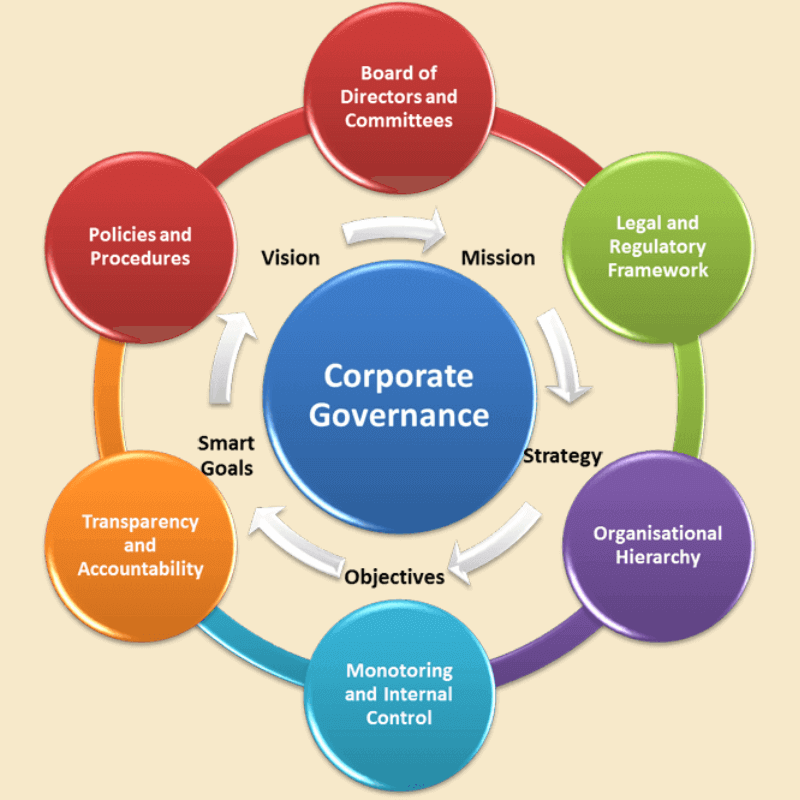
Building a Risk-Aware Organizational Culture
The most effective risk control systems are supported by a culture that values transparency and responsible decision-making.
Employees should feel comfortable raising concerns and reporting potential issues without fear of retaliation.
Organizations that foster risk awareness often emphasize:
- consistent employee training
- clear ethical standards
- leadership accountability
- open communication channels
When employees understand how their roles influence risk exposure, the entire organization becomes more resilient.

Frequently Asked Questions
What is risk control in a business context?
Risk control refers to the policies, procedures, and monitoring systems organizations use to identify potential threats and reduce their likelihood or impact.
Why is risk control especially important for growing companies?
Rapid growth increases operational complexity, making it easier for vulnerabilities to emerge if oversight systems do not evolve at the same pace.
What are examples of weak risk control?
Examples include lack of internal audits, inconsistent vendor vetting, inadequate cybersecurity protections, and unclear compliance responsibilities.
How does weak risk control affect profitability?
Hidden costs such as fraud losses, operational disruptions, legal expenses, and reputational damage can significantly reduce long-term profitability.
Who is responsible for risk control in an organization?
While leadership sets the framework, risk control responsibilities are typically shared across departments including finance, compliance, IT, and operations.
How often should companies review risk controls?
Many organizations conduct formal risk reviews annually, with ongoing monitoring and periodic internal audits throughout the year.
Can small companies implement risk control without large budgets?
Yes. Many effective risk practices—such as clear documentation, internal reviews, and employee training—require more discipline than financial investment.
What industries face the highest risk exposure?
Financial services, healthcare, technology, and manufacturing often face complex regulatory and operational risks.
How do investors evaluate risk control?
Investors often examine governance practices, internal control systems, cybersecurity protections, and compliance history before committing capital.
What is the first step in improving risk control?
The first step is typically a structured risk assessment that identifies potential vulnerabilities across financial, operational, and regulatory areas.
Looking Beyond Growth: Protecting Organizational Stability
Growth is often viewed as a purely positive milestone, but it also increases exposure to new forms of risk. Organizations that expand without strengthening their risk control systems may unknowingly accumulate vulnerabilities that only surface during moments of stress.
By treating risk control as a strategic capability rather than a compliance requirement, organizations can build resilience that supports sustainable growth. Strong oversight systems allow leaders to pursue opportunity while maintaining stability, transparency, and trust.
Key Insights at a Glance
- Weak risk control often produces hidden financial and operational costs
- Rapid growth can outpace informal oversight systems
- Inefficient processes often signal underlying control gaps
- Regulatory failures can lead to significant financial penalties
- Reputation damage may create long-term competitive disadvantages
- Technology can enhance risk monitoring and detection
- Leadership attention is preserved when systems prevent crises
- A strong risk culture encourages transparency and accountability