Summary
Across the United States, investors are reassessing traditional approaches like heavy reliance on stock picking, static portfolios, and conventional retirement plans. Economic uncertainty, rising living costs, technological innovation, and greater access to financial information are encouraging Americans to diversify, prioritize long-term resilience, and rethink risk. This shift reflects a broader move toward adaptable, informed investment strategies.
A Growing Shift in How Americans Think About Investing
For decades, the conventional path to investing in the United States followed a familiar script: contribute to a retirement account, invest primarily in stocks and mutual funds, and hold assets for the long term. While these fundamentals remain relevant, a growing number of Americans are reconsidering whether traditional strategies alone are sufficient for today’s financial environment.
Several factors are driving this shift. Economic volatility, changing career patterns, longer life expectancy, and increased access to financial tools have reshaped how individuals approach wealth building. Many investors are asking a new set of questions:
- Is a traditional portfolio enough to protect against inflation?
- Are retirement savings plans structured for modern career paths?
- How should investors manage risk in an unpredictable economy?
These questions reflect a broader evolution in financial decision-making. Rather than abandoning traditional investing principles entirely, Americans are increasingly blending them with newer approaches that prioritize flexibility, diversification, and risk management.

The Economic Backdrop Behind Changing Investment Strategies
Economic conditions play a significant role in shaping investment behavior. Over the past two decades, Americans have experienced several major economic events—from the 2008 financial crisis to pandemic-related market disruptions and recent inflationary pressures.
According to the U.S. Bureau of Labor Statistics, inflation reached levels not seen in decades during the early 2020s. Meanwhile, fluctuating interest rates and shifting job markets have added additional uncertainty to long-term financial planning.
These changes have prompted investors to reconsider assumptions that once seemed stable.
Key economic influences include:
- Higher inflation, which erodes purchasing power over time
- Interest rate fluctuations affecting bonds and borrowing costs
- Market volatility, which challenges passive long-term strategies
- Rising housing and healthcare costs, affecting retirement planning
For many households, these realities highlight the importance of building investment strategies that can adapt to changing conditions.
Greater Access to Financial Information
Another major reason Americans are rethinking investment strategies is the unprecedented access to financial information. Twenty years ago, many individuals relied primarily on financial advisors or brokerage firms for guidance. Today, educational resources are widely available online.
Investors now have access to:
- Market research reports
- Personal finance podcasts and educational channels
- Investment calculators and planning tools
- Data from government and financial institutions
This access has encouraged more people to actively participate in managing their finances. While professional advice remains valuable, many investors now seek to better understand how their portfolios function and how different strategies may align with their financial goals.
As financial literacy improves, investors are increasingly evaluating whether traditional portfolio models truly match their personal circumstances.
The Influence of Technology and New Investment Platforms
Technology has also reshaped the investment landscape. Online brokerage platforms and mobile apps have dramatically lowered barriers to entry, allowing more Americans to begin investing earlier and with smaller amounts of capital.
These platforms often offer features such as:
- Automated portfolio management
- Fractional share investing
- Low or zero trading commissions
- Real-time market data and analysis tools
While these innovations do not replace sound investment principles, they have changed how investors interact with financial markets.
For example, younger investors are often more comfortable exploring diversified portfolios that include index funds, exchange-traded funds (ETFs), and other asset classes beyond traditional stock selection.
Technology has also encouraged more frequent portfolio monitoring, which can influence how individuals respond to market changes.

The Role of Diversification in Modern Investment Thinking
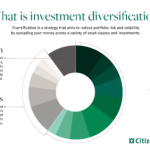
Diversification has long been a cornerstone of investment strategy, but many Americans are expanding what diversification means.
Traditional portfolios often focused primarily on:
- U.S. stocks
- Bonds
- Mutual funds
Today, investors are exploring broader asset allocations to balance risk and potential returns.
Examples of expanded diversification strategies include:
- International equity exposure
- Real estate investment trusts (REITs)
- Infrastructure funds
- Commodities or inflation-hedged assets
This broader perspective reflects an understanding that economic conditions can affect asset classes differently. By spreading investments across multiple sectors and regions, investors may reduce exposure to any single market event.
Financial planners often emphasize that diversification is not about eliminating risk entirely but about managing it in a balanced way.
Changing Retirement Expectations
Retirement planning is another area where traditional investment approaches are being reconsidered. Historically, many Americans expected to retire around age 65 with stable pensions or employer-sponsored retirement plans.
Today’s reality often looks different.
Several trends are influencing retirement planning:
- People are living longer, increasing the length of retirement
- Pension plans are less common than in previous generations
- Many workers have multiple careers or gig-based income
- Healthcare costs continue to rise
According to the Employee Benefit Research Institute, a significant portion of Americans express concern about whether their retirement savings will last throughout their lifetime.
As a result, investors are increasingly focusing on:
- Flexible retirement timelines
- Multiple income sources
- Tax-efficient withdrawal strategies
- Investment allocations designed for long-term sustainability
Rather than relying solely on traditional retirement models, many households are creating more adaptable financial plans.
Risk Awareness After Market Volatility
Major market downturns often reshape investor psychology. The financial crisis of 2008 and the rapid market swings during the COVID-19 pandemic served as reminders that markets can change quickly.
These experiences encouraged many Americans to pay closer attention to risk exposure.
Common risk management considerations now include:
- Maintaining emergency savings alongside investments
- Avoiding overconcentration in a single sector
- Balancing growth-oriented assets with more stable investments
- Reviewing portfolios regularly rather than setting them on autopilot
While long-term investing remains a widely recommended approach, investors today often seek strategies that allow them to adjust more easily when conditions shift.
The Rise of Values-Based and Purpose-Driven Investing
Another emerging trend is the increasing interest in investments aligned with personal values. Environmental, social, and governance (ESG) considerations have gained attention among both institutional and individual investors.
Some Americans are choosing investments that reflect priorities such as:
- Environmental sustainability
- Corporate governance standards
- Social responsibility
According to research from Morningstar, assets in sustainable investment funds have grown substantially over the past decade.
For many investors, this approach is not solely about financial performance. It reflects a desire to align investment decisions with broader social or environmental perspectives.
Practical Examples of Evolving Investment Approaches
To understand how investment thinking is evolving, consider a few practical scenarios.
Example 1: Mid-Career Professional
A 40-year-old professional with stable income may still contribute to a 401(k), but they might also:
- Invest in diversified ETFs
- Maintain an emergency fund covering several months of expenses
- Allocate a portion of their portfolio to international markets
Example 2: Younger Investor
A recent college graduate may start investing earlier through low-cost platforms. Their strategy could include:
- Automatic monthly investments
- A long-term focus on index funds
- Smaller experimental allocations to emerging sectors
Example 3: Pre-Retirement Household
A couple approaching retirement might prioritize stability by:
- Adjusting asset allocation toward income-producing investments
- Reducing exposure to highly volatile sectors
- Planning phased retirement income streams
These examples illustrate how investors are adapting traditional strategies to fit modern financial realities.
What This Shift Means for Individual Investors
Rethinking traditional investment strategies does not necessarily mean abandoning established financial principles. Instead, it often involves refining those principles to better reflect today’s economic environment and personal financial goals.
For many Americans, the key priorities now include:
- Building resilience against economic uncertainty
- Maintaining flexibility in long-term financial plans
- Expanding diversification across asset classes
- Continuously improving financial literacy
Investing remains a long-term process that benefits from careful planning, disciplined decision-making, and an understanding of both opportunities and risks.

Frequently Asked Questions
Why are Americans reconsidering traditional investment strategies?
Many investors are responding to economic uncertainty, inflation, technological changes, and evolving career patterns that affect long-term financial planning.
Are traditional investments like stocks and bonds still relevant?
Yes. Stocks and bonds remain foundational components of many portfolios, but investors are often combining them with additional asset classes to enhance diversification.
How has technology changed investing?
Online platforms and financial apps have made investing more accessible, enabling individuals to manage portfolios, research markets, and invest smaller amounts more easily.
Is diversification more important today?
Diversification has always been important, but modern investors are expanding it across more asset classes and global markets.
How does inflation influence investment decisions?
Inflation reduces purchasing power, which can affect long-term savings. Investors often seek assets that may help maintain value over time.
Are younger Americans investing differently?
Many younger investors start earlier, use digital platforms, and favor diversified index funds and automated investing strategies.
What role does financial education play?
Greater financial literacy helps investors make more informed decisions about asset allocation, risk management, and long-term planning.
Should investors frequently adjust their portfolios?
Most financial professionals recommend periodic reviews rather than constant changes, ensuring portfolios remain aligned with goals and risk tolerance.
Is retirement planning changing in the U.S.?
Yes. Longer lifespans and fewer pension plans mean many Americans are planning for flexible retirement timelines and multiple income sources.
Are sustainable investments becoming more popular?
Interest in ESG and sustainable investing has grown as more investors seek opportunities aligned with environmental and social considerations.
A New Era of Investment Thinking
The shift away from purely traditional investment strategies reflects broader changes in the American financial landscape. Investors today face a complex mix of economic forces, technological innovation, and evolving personal priorities.
Rather than abandoning proven investment principles, many Americans are refining them—combining long-term discipline with greater diversification, stronger risk awareness, and improved financial knowledge.
This evolution suggests that the future of investing may rely less on rigid formulas and more on adaptable strategies tailored to real-world conditions.
Key Insights From Today’s Investment Shift
- Economic uncertainty has encouraged investors to reconsider long-standing portfolio strategies
- Technology has dramatically expanded access to investing tools and education
- Diversification now often includes a broader range of global and alternative assets
- Retirement planning is evolving due to longer lifespans and changing career paths
- Risk management and financial literacy are becoming central to investment decision-making