Summary
Recent Growth Watch reports highlight several U.S. industries gaining momentum due to technological innovation, demographic shifts, and changing consumer priorities. Areas such as clean energy, AI infrastructure, advanced manufacturing, health technology, and logistics modernization are attracting increased investment and policy attention. Understanding these developments can help professionals, investors, and policymakers anticipate where economic expansion and new business opportunities are likely to emerge in the coming decade.
Understanding the Purpose of Growth Watch Reports
Growth Watch reports are typically designed to monitor early economic signals across industries. Analysts evaluate data sources such as venture capital flows, government policy initiatives, patent activity, workforce trends, and consumer demand indicators. Together, these inputs reveal which sectors may be moving from experimentation to large-scale commercial growth.
For American readers, these reports provide something practical: a structured way to see where economic momentum is forming before it becomes obvious in mainstream market coverage.
Unlike traditional market summaries that focus on current performance, Growth Watch frameworks attempt to answer questions such as:
- Which sectors are attracting long-term investment?
- Where is job growth accelerating?
- What technologies are moving from research labs into real-world use?
These insights can be valuable for business leaders, professionals considering career transitions, and investors evaluating long-term trends.
The Key Forces Driving Emerging Industries in the U.S.
Several structural forces are shaping the sectors highlighted in recent Growth Watch reports.
1. Technology Acceleration
Technologies that were once experimental—particularly artificial intelligence, automation, and advanced materials—are now entering commercial deployment. According to the U.S. Bureau of Labor Statistics, technology-driven industries continue to produce some of the fastest job growth rates in the country.
2. Policy and Infrastructure Investment
Large federal initiatives are reshaping industrial priorities. Examples include:
- The CHIPS and Science Act, aimed at strengthening semiconductor manufacturing
- The Inflation Reduction Act, which includes major incentives for clean energy development
- Infrastructure modernization programs affecting transportation, logistics, and utilities
These policies create conditions where new sectors can expand rapidly.
3. Demographic and Consumer Shifts
Aging populations, remote work trends, and digital lifestyles are reshaping demand. For example, healthcare technology and logistics innovation have seen increased investment partly because of demographic changes and e-commerce growth.
Together, these forces explain why several emerging industries appear repeatedly in Growth Watch analyses.
Artificial Intelligence Infrastructure Is Becoming a Foundational Industry
Artificial intelligence is no longer limited to research labs or software startups. Growth Watch findings increasingly emphasize the physical infrastructure required to support AI systems.
The industry includes several interconnected components:
- AI-optimized data centers
- High-performance semiconductor chips
- Cloud computing platforms
- Specialized networking hardware
- Energy infrastructure supporting high computing demand
According to estimates from McKinsey & Company, global demand for AI-related data center capacity could increase dramatically through the next decade as companies integrate machine learning into daily operations.
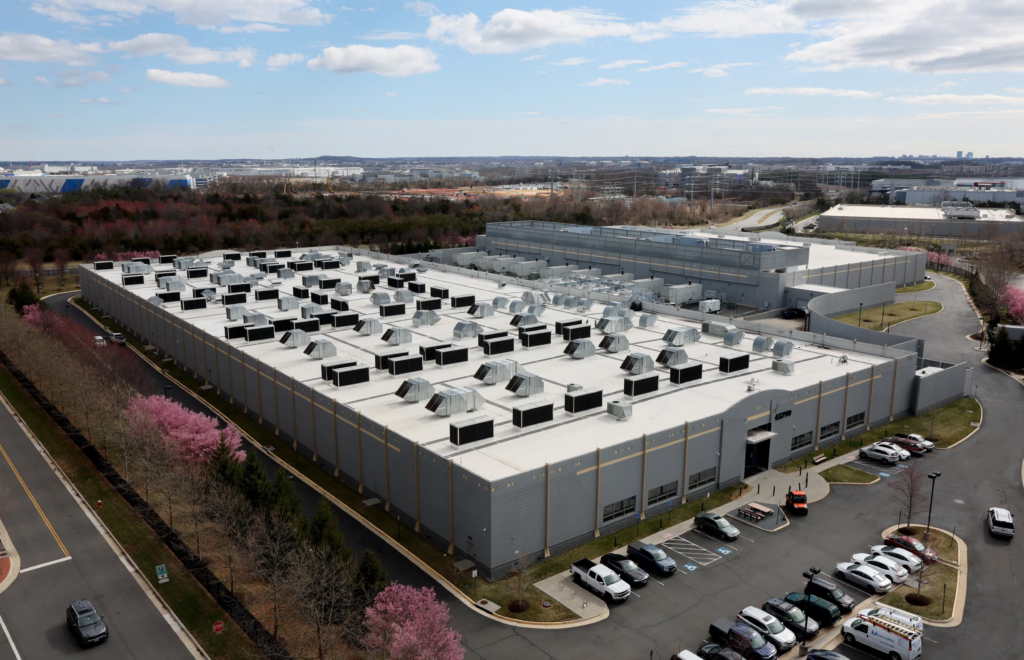
In the United States, this has sparked new investments in regional data center hubs across states such as Texas, Virginia, and Arizona. These facilities require significant energy, cooling systems, and advanced networking—creating opportunities across engineering, construction, and energy sectors.
For professionals, this means that AI growth isn’t limited to software engineers. Careers in power systems engineering, semiconductor fabrication, and infrastructure development are increasingly connected to the AI economy.
Clean Energy Expansion Continues to Accelerate
Another sector consistently highlighted in Growth Watch reports is clean energy and energy transition infrastructure.
The United States is undergoing a large-scale transformation of its energy systems. According to the U.S. Energy Information Administration, renewable energy sources—particularly solar and wind—have become some of the fastest-growing electricity generation sources.
Key areas of expansion include:
- Utility-scale solar installations
- Battery storage systems
- Electric vehicle charging networks
- Grid modernization technologies
- Hydrogen energy research
The Inflation Reduction Act introduced long-term tax incentives designed to encourage domestic production of renewable technologies and battery components.
For example, several new battery manufacturing plants have been announced across the Midwest and Southeast. These facilities are expected to create thousands of jobs while supporting the expanding electric vehicle market.
Importantly, Growth Watch analysts note that energy infrastructure development tends to trigger secondary growth in construction, materials manufacturing, and engineering services.
Advanced Manufacturing Is Reemerging in the U.S.
For decades, manufacturing was widely viewed as a declining sector in the United States. However, Growth Watch reports suggest a different narrative emerging around advanced manufacturing.
The shift involves integrating robotics, automation, and digital design into production systems. Modern factories increasingly rely on technologies such as:
- Additive manufacturing (3D printing)
- Industrial robotics
- Smart factory sensors
- Digital twin modeling
- AI-driven quality control
Several policy initiatives are reinforcing this trend. The CHIPS and Science Act aims to rebuild domestic semiconductor production, which has strategic importance for national security and supply chains.
Large semiconductor fabrication plants are currently under construction in states like Ohio, Texas, and Arizona.
These facilities require extensive supply networks, including:
- Chemical materials manufacturing
- precision equipment production
- advanced logistics systems
As a result, the economic impact extends well beyond the factories themselves.
Health Technology Is Expanding Beyond Hospitals
Healthcare innovation is another sector receiving attention in Growth Watch analyses. Rather than focusing solely on pharmaceutical breakthroughs, the latest reports emphasize digital health and medical technology infrastructure.
Several developments are driving this shift:
- Remote patient monitoring tools
- AI-assisted diagnostics
- telemedicine platforms
- wearable health sensors
- data-driven healthcare analytics
The COVID-19 pandemic accelerated acceptance of remote care technologies. According to data from the Centers for Medicare & Medicaid Services, telehealth usage increased dramatically during the pandemic and continues to remain above pre-2020 levels.
This has encouraged startups and healthcare providers to invest heavily in platforms that allow patients to receive care outside traditional clinical settings.
For American consumers, this trend may lead to more convenient healthcare access and earlier detection of chronic conditions.
Logistics Innovation Is Reshaping Supply Chains
One of the clearest lessons from recent supply chain disruptions is that logistics infrastructure matters more than ever.
Growth Watch reports highlight rapid innovation in the logistics and supply chain sector, particularly in areas such as:
- warehouse automation
- autonomous delivery technologies
- predictive inventory systems
- smart port management
- regionalized supply networks
The U.S. logistics market has grown significantly alongside the rise of e-commerce. According to Statista, U.S. retail e-commerce sales exceeded $1 trillion annually in recent years.
To support this demand, companies are investing in next-generation distribution centers that use robotics and AI to improve efficiency.
These facilities require expertise across multiple disciplines, including software development, industrial engineering, and transportation management.
Agricultural Technology Is Quietly Advancing
Agriculture rarely dominates technology headlines, yet Growth Watch reports frequently identify agricultural technology (AgTech) as an emerging sector.
Several pressures are driving innovation in farming:
- climate variability
- water resource constraints
- labor shortages
- demand for sustainable food production
New technologies being deployed include:
- precision agriculture sensors
- drone-based crop monitoring
- automated harvesting equipment
- soil health analytics platforms
These tools help farmers improve efficiency while reducing environmental impact.
The U.S. Department of Agriculture has supported many research initiatives aimed at expanding these technologies. As a result, AgTech startups and equipment manufacturers are receiving increased venture investment.
Workforce Skills Needed in Emerging Industries
Growth Watch findings also highlight a crucial challenge: workforce readiness.
Many emerging industries require specialized skills that are still in short supply.
Some of the most in-demand capabilities include:
- semiconductor engineering
- data science and AI modeling
- renewable energy system design
- robotics maintenance
- cybersecurity for industrial systems
Educational institutions and workforce development programs are beginning to respond.
Community colleges, for example, are increasingly partnering with technology companies to create training programs tailored to advanced manufacturing and clean energy sectors.
For individuals planning career transitions, these programs can provide relatively fast entry into growing industries.
What Questions Americans Are Asking About Emerging Industries
Search trends show that many Americans are actively trying to understand how economic changes affect their careers and investments.
Common questions include:
- Which industries are expected to grow in the U.S. economy?
- What careers will be most in demand in the next decade?
- Which sectors are receiving the most government investment?
- Are manufacturing jobs returning to the United States?
- How will AI affect traditional industries?
Growth Watch reports help answer these questions by providing structured analysis rather than short-term speculation.
They emphasize long-term structural changes rather than temporary market fluctuations.
Frequently Asked Questions
What is a Growth Watch report?
A Growth Watch report is an analytical framework used to identify emerging industries by examining investment trends, technology adoption, workforce data, and policy developments.
Which U.S. industries are currently growing the fastest?
Sectors frequently highlighted include artificial intelligence infrastructure, clean energy, advanced manufacturing, health technology, logistics automation, and agricultural technology.
Why is clean energy considered an emerging industry?
Government incentives, declining renewable energy costs, and growing consumer demand for sustainable power have accelerated investment in solar, wind, battery storage, and electric vehicle infrastructure.
Is manufacturing returning to the United States?
Advanced manufacturing—particularly semiconductor fabrication and robotics-enabled production—is expanding in the U.S., partly due to supply chain security concerns and federal policy incentives.
How is artificial intelligence creating new industries?
AI requires specialized hardware, cloud infrastructure, energy resources, and data management systems, creating an ecosystem of supporting industries beyond software development.
What skills are most valuable in emerging industries?
Technical skills in engineering, data science, renewable energy systems, robotics maintenance, and cybersecurity are among the most sought after.
Are these industries creating new jobs?
Yes. Many of these sectors require skilled labor, particularly in engineering, manufacturing operations, construction, and technology management.
How can individuals prepare for careers in emerging industries?
Education programs, certification courses, and vocational training focused on technology and engineering fields can help individuals enter these growing sectors.
Why do analysts monitor emerging industries?
Tracking emerging industries helps investors, policymakers, and business leaders anticipate economic shifts before they become widely recognized.
Do emerging industries always succeed?
Not always. Some technologies fail to achieve widespread adoption, which is why analysts monitor multiple indicators before identifying long-term trends.
Reading the Signals of the Next Economic Chapter
Emerging industries rarely appear suddenly. Instead, they develop through a gradual accumulation of technology breakthroughs, investment flows, policy support, and consumer demand.
Growth Watch reports provide a structured lens for observing these signals as they form.
While no report can predict the future with certainty, the sectors currently gaining momentum—AI infrastructure, clean energy, advanced manufacturing, health technology, logistics innovation, and agricultural technology—reflect real structural shifts in the American economy.
Understanding these shifts helps businesses plan, workers prepare, and investors evaluate long-term opportunities.
Key Insights at a Glance
- Emerging industries often grow at the intersection of technology innovation and policy support
- Artificial intelligence infrastructure is becoming a foundational sector
- Clean energy investment continues expanding due to federal incentives
- Advanced manufacturing is returning with robotics and automation
- Health technology is transforming how Americans access medical care
- Logistics innovation supports the rapid growth of e-commerce
- Agricultural technology is improving sustainability and productivity
- Workforce training remains a major factor in supporting industry growth