Summary
Technology is rapidly reshaping how organizations identify, measure, and mitigate risk. From AI-powered analytics and predictive modeling to IoT monitoring and cybersecurity platforms, modern tools enable earlier detection, faster response, and smarter decision-making. Across finance, healthcare, manufacturing, and logistics, digital risk control systems are reducing losses, improving compliance, and helping organizations manage uncertainty in increasingly complex environments.
The New Era of Risk Management
Risk control used to rely heavily on manual audits, static reports, and reactive procedures. Organizations typically identified problems after damage occurred—whether that meant financial losses, safety incidents, regulatory violations, or operational disruptions.
Today, technology is fundamentally changing that model.
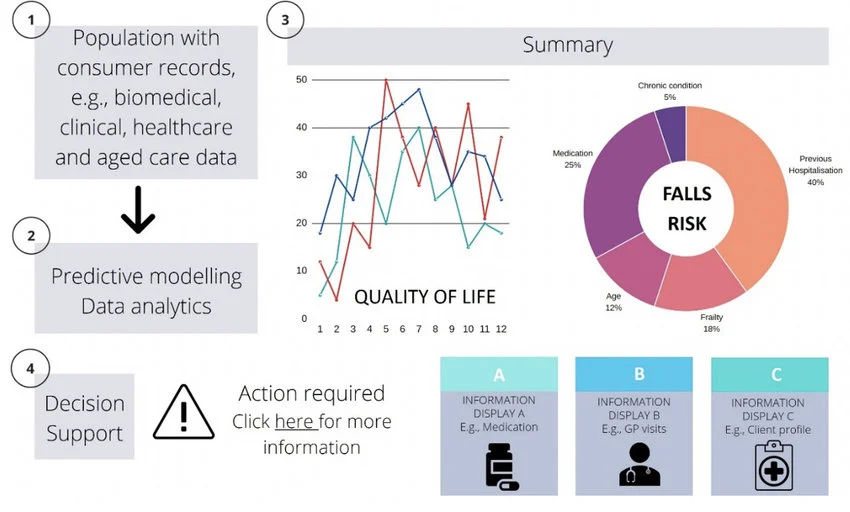
Advances in data analytics, artificial intelligence, automation, and connected devices are enabling organizations to shift from reactive risk management toward predictive and preventative risk control.
Instead of discovering a problem after it happens, companies increasingly detect warning signs early. Sensors flag equipment failures before breakdowns occur. Algorithms identify financial anomalies before fraud escalates. Cybersecurity platforms detect threats in real time.
According to research from the World Economic Forum, more than 70% of large enterprises are investing heavily in digital risk monitoring systems as part of their broader digital transformation strategies.
The result is a profound shift: risk control is becoming continuous, data-driven, and integrated into daily operations, rather than an occasional compliance exercise.
Why Risk Control Is Becoming More Complex
Modern organizations face a wider and more interconnected set of risks than ever before. Global supply chains, cloud computing, regulatory complexity, and cyber threats all increase uncertainty.
Several trends are driving this complexity:
- Globalized supply chains introduce operational and geopolitical risks
- Increasing cybersecurity threats target digital infrastructure
- Complex regulations require ongoing compliance monitoring
- Climate-related disruptions affect logistics and infrastructure
- Remote work environments create new security vulnerabilities
Traditional risk management frameworks struggle to keep pace with these dynamic conditions. Technology provides the scale, speed, and visibility necessary to manage these challenges effectively.
Artificial Intelligence Is Transforming Risk Prediction
Artificial intelligence is arguably the most significant technological shift in modern risk control.
AI systems can process enormous datasets, identify patterns invisible to human analysts, and generate predictive insights in real time.
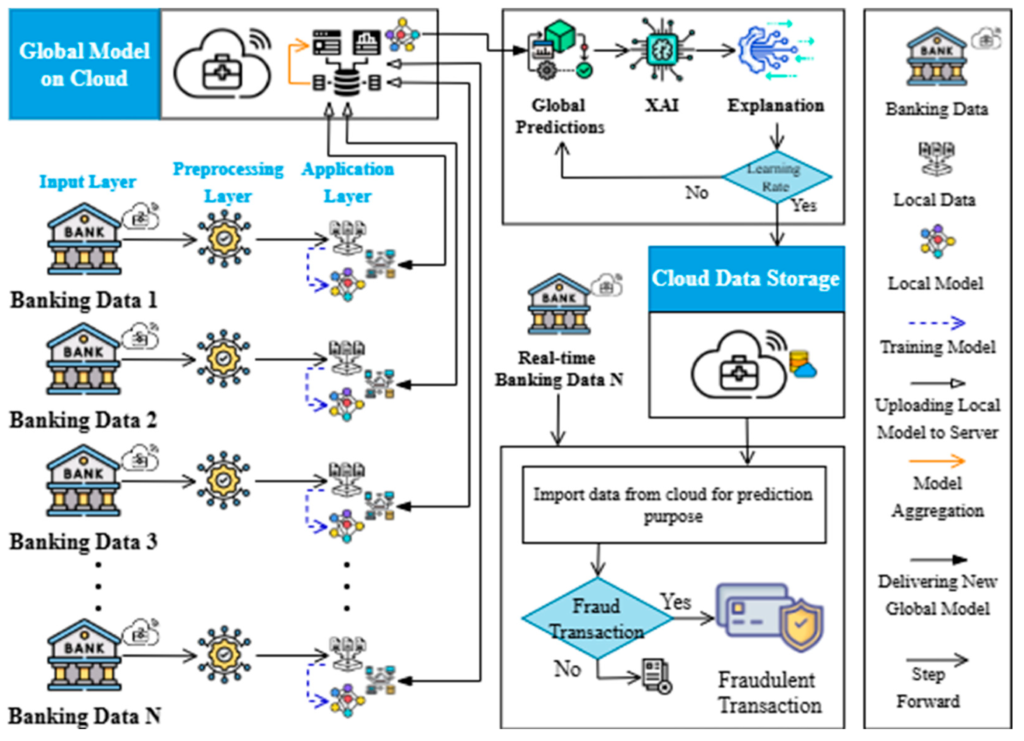
In financial services, AI models analyze transaction patterns to detect fraud. Credit risk systems evaluate thousands of variables to estimate borrower reliability. Insurance companies use predictive analytics to model claims risk with greater accuracy.
A typical example occurs in fraud detection.
Large banks process millions of daily transactions. AI algorithms monitor these transactions continuously, identifying unusual behavior patterns such as:
- Sudden geographic changes in spending activity
- Abnormal transaction sizes
- Suspicious login attempts
- Behavioral anomalies relative to historical customer patterns
According to Javelin Strategy & Research, AI-based fraud detection systems helped U.S. financial institutions reduce fraud losses by billions annually while minimizing false alerts.
AI is also transforming risk management in:
- Healthcare diagnostics
- Insurance underwriting
- Industrial safety monitoring
- Supply chain forecasting
The core advantage is simple: machines can analyze risk signals faster and more consistently than manual processes.
IoT Sensors Are Revolutionizing Operational Risk Control
The Internet of Things (IoT) enables organizations to monitor physical environments continuously.
Connected sensors embedded in machinery, infrastructure, and facilities provide real-time operational data.
This data helps companies detect potential failures long before they cause accidents or downtime.
In manufacturing plants, sensors track variables such as:
- Temperature
- Pressure
- Vibration
- Energy consumption
- Mechanical stress
If a machine begins operating outside safe thresholds, the system alerts engineers immediately.
This approach—known as predictive maintenance—can significantly reduce operational risk.
According to McKinsey, predictive maintenance powered by IoT can:
- Reduce equipment downtime by 30–50%
- Extend asset life by 20–40%
- Lower maintenance costs by 10–20%
Industries that rely heavily on IoT risk monitoring include:
- Manufacturing
- Energy and utilities
- Aviation
- Transportation
- Oil and gas
For example, airlines now equip jet engines with thousands of sensors that continuously transmit performance data. This allows engineers to identify potential mechanical problems before flights are affected.
Cybersecurity Technology Is Now Central to Risk Control
Cyber risk has become one of the most critical threats facing modern organizations.
Data breaches, ransomware attacks, and infrastructure disruptions can cause severe financial and reputational damage.
Technology-driven cybersecurity systems are essential to managing these risks.
Modern security platforms rely on:
- AI-driven threat detection
- Real-time network monitoring
- Behavioral analytics
- Automated incident response
- Cloud security frameworks
Instead of relying solely on firewall protection, organizations now deploy security operations centers (SOCs) that monitor network activity around the clock.
Advanced threat detection systems can recognize subtle indicators of compromise, including unusual data transfers, suspicious login patterns, and unauthorized software behavior.
According to IBM’s Cost of a Data Breach Report, the average cost of a U.S. data breach exceeded $9 million in 2023, reinforcing the importance of proactive cybersecurity risk management.
Technology now allows companies to identify threats within minutes rather than weeks.
Data Analytics Improves Strategic Risk Decisions
Risk control is not only about operational safety or cybersecurity. It also includes strategic decision-making.
Data analytics platforms allow organizations to evaluate risk exposure across business units, projects, and investments.
Enterprise risk management systems often combine:
- Financial modeling
- Scenario analysis
- Risk scoring frameworks
- Real-time dashboards
- Predictive forecasting
Executives can see potential risk concentrations and adjust strategies accordingly.
For example, supply chain analytics tools allow companies to evaluate supplier reliability, geopolitical risks, and shipping delays.
During the COVID-19 pandemic, companies with advanced analytics systems were able to identify supply disruptions earlier and adjust sourcing strategies faster than competitors relying on manual tracking.
This ability to visualize risk across entire organizations has become a key competitive advantage.
Automation Reduces Human Error in Risk Processes
Human error remains one of the leading causes of operational incidents and compliance failures.
Automation technology helps reduce this risk by standardizing procedures and eliminating manual tasks.
Automated systems now handle many processes that previously depended on human judgment.
Examples include:
- Automated compliance monitoring
- Digital audit trails
- Automated reporting to regulators
- Smart contract execution in blockchain systems
- Automated quality assurance checks in manufacturing
In healthcare, automated medication dispensing systems reduce the likelihood of prescription errors. In finance, automated reconciliation software helps prevent accounting discrepancies.
Automation does not eliminate the need for human oversight, but it reduces the probability of simple mistakes that can lead to significant problems.
Blockchain Is Improving Transparency and Trust
Blockchain technology is gaining attention as a tool for reducing certain types of systemic risk.
A blockchain ledger records transactions in a distributed, tamper-resistant system. This structure improves transparency and reduces opportunities for fraud.
Industries exploring blockchain-based risk control include:
- Financial services
- Supply chain logistics
- Insurance
- Healthcare data management
In supply chains, blockchain allows companies to trace product origins and verify authenticity. This helps prevent counterfeit goods and improves quality assurance.
Food safety is another area where blockchain shows promise. Retailers can track agricultural products through the supply chain, enabling faster identification of contamination sources during recalls.
While blockchain adoption is still evolving, many organizations view it as a potential tool for improving trust, traceability, and compliance.
Regulatory Technology Is Streamlining Compliance
Regulatory compliance has become increasingly complex across industries.
Financial institutions, healthcare providers, and multinational corporations must comply with extensive regulations.
Regulatory technology—often called RegTech—uses software platforms to automate compliance processes.
Common RegTech applications include:
- Automated regulatory reporting
- Transaction monitoring for anti-money laundering (AML)
- Identity verification systems
- Compliance workflow management
- Real-time regulatory updates
These systems reduce the administrative burden of compliance while improving accuracy.
For large financial institutions managing thousands of regulatory obligations, digital compliance platforms are now essential.
Industries Leading the Digital Risk Transformation
While nearly every sector is adopting technology for risk control, several industries are leading the transformation.
Financial Services
Banks and investment firms rely heavily on AI risk modeling, fraud detection systems, and automated compliance tools.
Healthcare
Hospitals use predictive analytics for patient safety, AI-assisted diagnostics, and automated medication systems.
Manufacturing
Industrial companies deploy IoT sensors, robotics monitoring systems, and predictive maintenance platforms.
Energy
Energy companies use digital twins and real-time infrastructure monitoring to prevent equipment failures.
Logistics
Supply chain visibility tools help companies monitor disruptions, shipping delays, and geopolitical risks.
Across these sectors, the common goal is the same: detect risks earlier and respond faster.
Challenges Organizations Must Address
While technology offers powerful advantages, implementing digital risk control systems also presents challenges.
Organizations must carefully manage issues such as:
- Data privacy and governance
- Algorithmic bias in AI systems
- Integration with legacy infrastructure
- Cybersecurity risks introduced by connected systems
- Skills gaps among employees
Technology alone does not guarantee better risk control. Effective implementation requires strong governance frameworks, employee training, and continuous monitoring.
Companies that combine technology with sound management practices achieve the best results.
Frequently Asked Questions
1. What is risk control in business?
Risk control refers to the processes organizations use to identify, assess, and reduce potential threats to operations, finances, safety, and compliance.
2. How does AI help with risk management?
AI analyzes large datasets to detect patterns, predict potential risks, and generate real-time alerts for unusual activity.
3. What industries benefit most from digital risk control?
Finance, healthcare, manufacturing, logistics, energy, and insurance are among the industries seeing the largest impact.
4. What is predictive maintenance?
Predictive maintenance uses sensor data and analytics to identify equipment issues before failures occur.
5. How does IoT reduce operational risk?
IoT sensors monitor equipment and environments continuously, allowing organizations to detect unsafe conditions early.
6. What is RegTech?
RegTech refers to technology platforms that automate regulatory compliance processes.
7. Can automation eliminate risk entirely?
No. Automation reduces certain risks but cannot eliminate uncertainty or human oversight requirements.
8. Why is cybersecurity considered a risk management issue?
Cyberattacks can disrupt operations, expose sensitive data, and cause financial losses, making them a major operational risk.
9. What role does data analytics play in risk management?
Analytics platforms help organizations evaluate risk exposure, model scenarios, and make more informed decisions.
10. Is blockchain widely used for risk control today?
Blockchain adoption is growing but remains concentrated in areas such as finance and supply chain transparency.
The Future of Risk Control Is Predictive
Technology is transforming risk control from a reactive discipline into a predictive science. Organizations can now identify early warning signals, analyze risk patterns in real time, and respond faster than ever before.
As digital infrastructure expands and global systems grow more complex, technology-enabled risk management will become even more critical to business resilience and long-term stability.
Companies that invest in intelligent monitoring, advanced analytics, and integrated risk systems will be far better positioned to navigate uncertainty in the years ahead.
Key Insights at a Glance
- Technology enables real-time monitoring of operational and financial risks
- AI systems significantly improve fraud detection and predictive analysis
- IoT sensors help prevent equipment failures through predictive maintenance
- Cybersecurity platforms detect threats faster than traditional defenses
- Data analytics provides enterprise-wide visibility into risk exposure
- Automation reduces human error in compliance and operational processes
- Blockchain offers transparency and traceability in complex systems
- Regulatory technology helps organizations manage growing compliance obligations