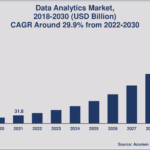
Small, often overlooked changes in data are increasingly shaping competitive advantage across industries. Organizations that recognize and act on these subtle signals—rather than relying solely on large, obvious trends—are making faster, more informed decisions. This article explores how businesses can detect, interpret, and operationalize these shifts to stay ahead in a rapidly evolving, data-driven economy.
Introduction: The Rise of Quiet Signals in a Loud Data World
For decades, businesses have relied on clear, high-volume signals—quarterly revenue spikes, major market disruptions, or large-scale consumer shifts—to guide strategy. But in today’s data-rich environment, competitive advantage is less about reacting to obvious trends and more about interpreting subtle ones.
These “quiet signals” are small changes: a slight increase in customer churn among a specific demographic, a marginal shift in search behavior, or a gradual change in product usage patterns. Individually, they may appear insignificant. Collectively, they can redefine how companies compete.
The organizations that excel today are not just data-driven—they are nuance-driven.
What Are Subtle Data Shifts—and Why Do They Matter?
Subtle data shifts are incremental, often gradual changes in metrics, behaviors, or patterns that may not trigger traditional alerts or dashboards. They typically emerge below the threshold of standard reporting but carry strategic implications when viewed over time.
Consider the difference:
- A 20% drop in sales is obvious and demands immediate action.
- A consistent 1% monthly decline in repeat purchases may go unnoticed—but over a year, it signals a serious retention issue.
These shifts matter because they:
- Reveal emerging trends before they become mainstream
- Highlight inefficiencies or risks early
- Offer opportunities for proactive decision-making
- Reduce reliance on reactive strategies
According to a 2024 report by McKinsey & Company, organizations that leverage granular, real-time data insights are 23% more likely to outperform competitors in revenue growth.
Why Traditional Analytics Often Miss the Signal
Despite advances in analytics tools, many organizations still struggle to identify subtle shifts. The issue is rarely a lack of data—it’s how that data is interpreted.
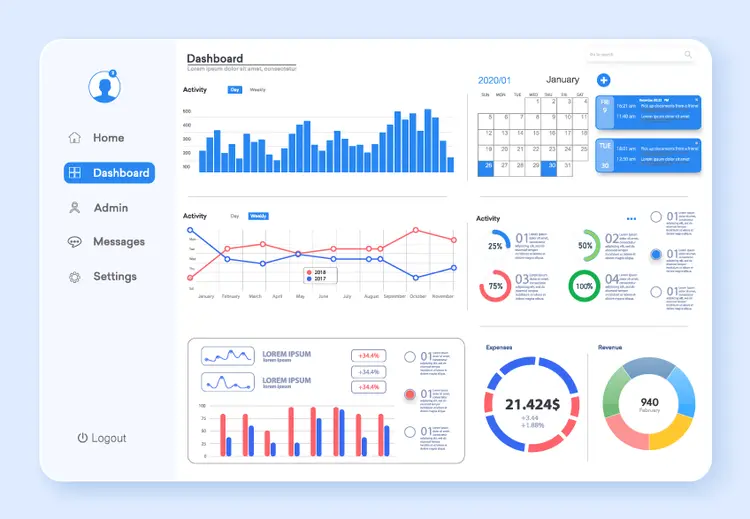
Most dashboards are designed to highlight:
- Large variances
- Predefined KPIs
- Historical comparisons
While useful, these approaches can obscure smaller but meaningful changes.
For example, a retail company may track overall conversion rates. If that rate remains stable, leadership assumes performance is steady. However, a deeper look might reveal:
- Mobile conversions are declining
- Desktop conversions are increasing
- Younger users are dropping off earlier in the funnel
Without segment-level analysis, these nuances remain hidden.
The Shift from Big Data to “Right Data”
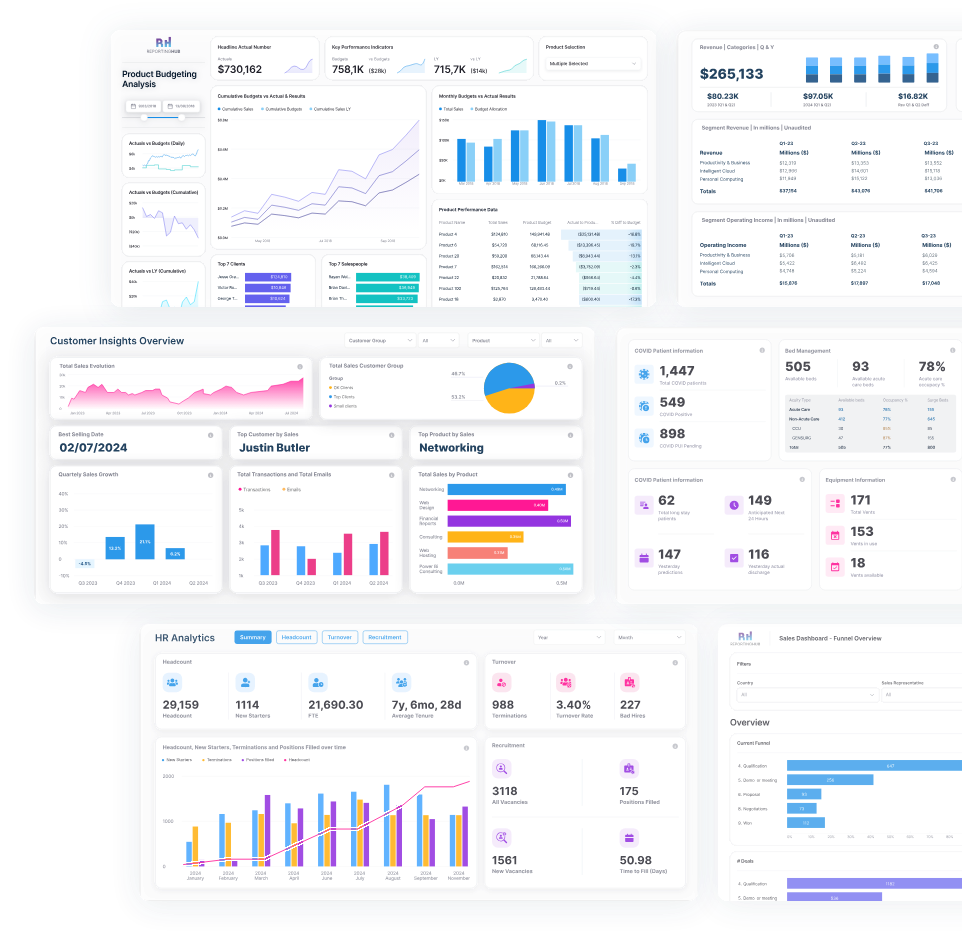
The early 2010s emphasized “big data”—collecting as much information as possible. Today, the focus has shifted toward “right data”: identifying the most relevant, actionable insights.
This transition reflects a growing understanding that more data does not automatically lead to better decisions.
Organizations are now prioritizing:
- Contextual relevance over volume
- Real-time insights over historical summaries
- Behavioral data over static demographics
A practical example comes from subscription-based businesses. Instead of focusing solely on total subscriber count, leading companies analyze micro-behaviors such as:
- Time between logins
- Feature usage frequency
- Content engagement depth
These indicators often predict churn more accurately than traditional metrics.
Real-World Example: How Small Signals Drive Big Decisions
A mid-sized e-commerce company noticed a slight increase in cart abandonment rates—just 2% over three months. At first glance, the change seemed negligible.
However, a deeper analysis revealed:
- The increase was concentrated among first-time users
- It occurred primarily on mobile devices
- It coincided with a recent checkout redesign
By acting on this subtle signal, the company identified a usability issue in its mobile checkout flow. After implementing targeted improvements, they reduced abandonment by 8% and increased overall conversion rates.
This example illustrates a key principle: small signals often point to specific, solvable problems.
How Businesses Can Identify Subtle Data Shifts
Recognizing subtle shifts requires a deliberate approach. It’s not about adding more tools—it’s about asking better questions and refining how data is analyzed.
Key practices include:
- Segmenting data more granularly
Break down metrics by user type, geography, device, or behavior. - Monitoring trends over shorter intervals
Weekly or daily analysis can reveal patterns hidden in monthly reports. - Using anomaly detection tools
Machine learning models can flag deviations that humans might miss. - Encouraging cross-functional analysis
Insights often emerge when marketing, product, and operations teams collaborate. - Tracking leading indicators
Focus on behaviors that precede outcomes, such as engagement before conversion.
Organizations that adopt these practices are better positioned to detect early signals and respond proactively.
The Role of AI and Predictive Analytics
Artificial intelligence has significantly enhanced the ability to detect subtle shifts. Machine learning models can analyze vast datasets and identify patterns that are not immediately visible.
For instance:
- Predictive models can forecast customer churn based on minor behavioral changes
- Natural language processing can detect sentiment shifts in customer feedback
- Recommendation engines can adapt to evolving user preferences in real time
According to a 2025 Deloitte survey, 62% of US companies using AI-driven analytics reported improved decision-making speed and accuracy.
However, technology alone is not enough. Human interpretation remains critical to understanding context and translating insights into action.
Challenges in Acting on Subtle Data
While identifying subtle shifts is valuable, acting on them presents its own challenges.
Common obstacles include:
- Signal vs. noise confusion
Not every small change is meaningful. Distinguishing between random variation and true trends requires statistical rigor. - Organizational inertia
Teams may hesitate to act on small signals due to perceived risk or lack of urgency. - Data silos
Fragmented data systems can prevent a holistic view of trends. - Over-reliance on historical benchmarks
Past performance may not accurately predict future behavior in dynamic markets.
To overcome these challenges, organizations must foster a culture that values curiosity, experimentation, and continuous learning.
Subtle Shifts Across Key Industries
Retail
Retailers are using subtle data shifts to optimize inventory, pricing, and customer experience. For example, a slight increase in online searches for a specific product category can inform early stocking decisions.
Healthcare
Healthcare providers analyze small changes in patient data to identify early signs of disease or treatment inefficacy. Predictive analytics can improve outcomes while reducing costs.
Financial Services
Banks and fintech companies monitor micro-transactions and behavioral patterns to detect fraud or assess credit risk more accurately.
Technology
Software companies track user interactions at a granular level to refine product features and improve retention.
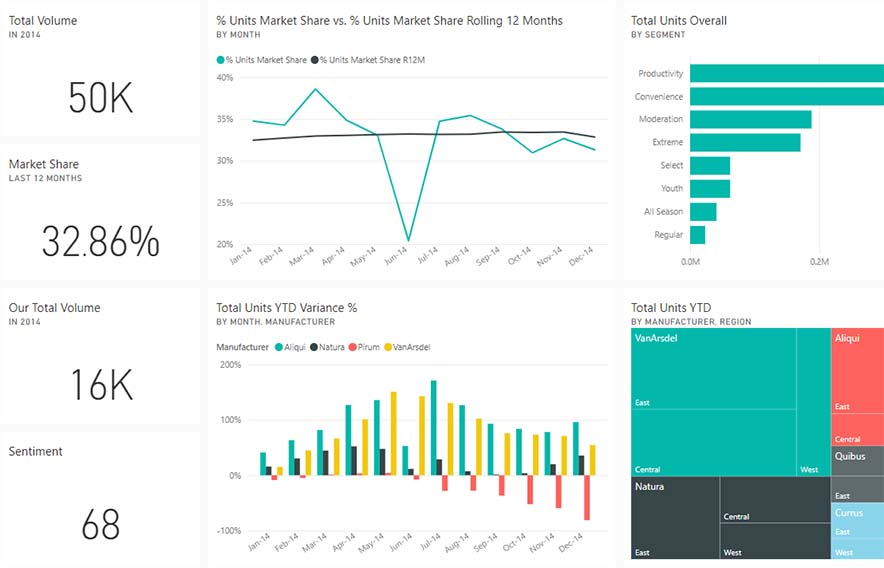
Across industries, the pattern is consistent: small insights drive significant impact.
What Questions Are Businesses Asking Today?
Modern organizations are increasingly focused on nuanced, practical questions such as:
- What early signals indicate customer dissatisfaction?
- Which micro-behaviors predict long-term loyalty?
- How do small UX changes affect conversion rates?
- Where are we losing customers before it becomes visible in revenue?
- Which segments are quietly underperforming—and why?
These questions reflect a shift from reactive to proactive strategy.
Building a Culture That Values Subtle Insights
Technology and analytics frameworks are only part of the equation. Culture plays a decisive role in whether subtle data shifts are recognized and acted upon.
Organizations that succeed tend to:
- Encourage curiosity and questioning
- Reward data-driven experimentation
- Promote transparency across teams
- Invest in data literacy at all levels
Leaders set the tone by prioritizing insight over intuition alone and by supporting decisions based on emerging signals, even when they are not yet fully conclusive.
Frequently Asked Questions
1. What is a subtle data shift?
A subtle data shift is a small, incremental change in metrics or behavior that may not be immediately noticeable but can indicate emerging trends over time.
2. Why are subtle data shifts important for businesses?
They allow organizations to detect opportunities and risks early, enabling proactive decision-making and sustained competitive advantage.
3. How can companies detect these shifts effectively?
By using granular segmentation, real-time analytics, anomaly detection tools, and cross-functional collaboration.
4. Are subtle shifts always meaningful?
No. Some variations are random. Statistical analysis and context are essential to distinguish meaningful trends from noise.
5. What role does AI play in identifying these shifts?
AI can analyze large datasets, detect patterns, and predict outcomes, making it easier to identify subtle but significant changes.
6. Can small data changes really impact revenue?
Yes. Minor improvements in conversion rates, retention, or engagement can compound over time and significantly affect revenue.
7. Which industries benefit most from this approach?
All industries can benefit, particularly retail, healthcare, finance, and technology.
8. What is the difference between big data and right data?
Big data focuses on volume, while right data emphasizes relevance and actionable insights.
9. How often should businesses review their data?
Ideally, data should be monitored continuously, with frequent reviews to identify emerging patterns.
10. What skills are needed to interpret subtle data shifts?
Analytical thinking, statistical knowledge, domain expertise, and the ability to connect data insights to business strategy.
Reading the Margins: Where Competitive Advantage Now Lives
Competitive advantage is no longer found only in bold moves or large-scale transformations. Increasingly, it resides in the margins—in the small, often overlooked signals that reveal how markets, customers, and behaviors are evolving.
Organizations that learn to read these margins gain a distinct edge. They move earlier, adapt faster, and make decisions with greater precision. In a landscape defined by constant change, the ability to interpret subtle data shifts is not just a technical skill—it is a strategic imperative.
Key Insights at a Glance
- Small data shifts can signal major future trends
- Traditional analytics often overlook nuanced changes
- “Right data” is more valuable than “big data”
- AI enhances detection but requires human interpretation
- Cross-functional collaboration improves insight discovery
- Acting early on subtle signals creates measurable advantage
- Culture plays a critical role in leveraging data effectively